Was It a Train Station Decision That Built Leeds Into a Modern Tech Hub?
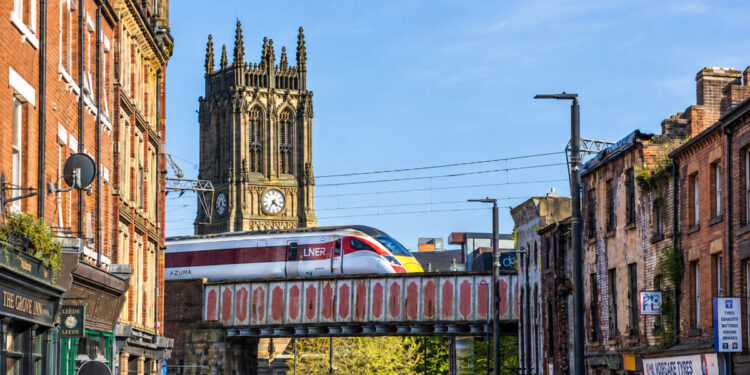
Walk through the streets around Wellington Place on a weekday morning and you are looking at one of the largest concentrations of digital workers anywhere in Britain outside London and Manchester.
Somewhere close to 30,000 people in Leeds work in digital roles, spread across well over a thousand businesses, and the sector is now measured in billions rather than millions. A fair chunk of that work involves building the betting and casino platforms that millions of people across the country open every week.
That last part surprises people who have not followed Yorkshire’s business scene closely, but it is one of the clearest examples of how the city grew its own industry rather than waiting for one to arrive. Leeds did not become a gambling technology centre by accident, and the story starts with one company deciding where to put its desks.
One Company’s Move Started the Whole Thing
Sky Betting and Gaming shifted its headquarters from Harrogate into central Leeds around 2010, and the reasoning was refreshingly practical. The office had to be within a short walk of the train station so the company could reach people commuting in from across West Yorkshire. It worked. The business grew into one of the region’s two unicorns and now has somewhere in the region of 1,500 people in Leeds in technology roles.
What followed was the part that really counts. Engineers who cut their teeth there moved on and joined other firms, and Flutter, Fanatics and Evoke all ended up with Leeds teams drawing from that pool of people. Betting technology became one of the city’s two biggest specialisms, sitting alongside health data. Very little of that was planned in an office at the council.
Fifteen Years of Payments Engineering Sits Behind the Games
Strip the branding off an online casino and what is left is a payments business with games bolted onto it, built from the kind of payments infrastructure fintech firms sell into banks, just wrapped in a different front end. Identity checks that clear in seconds, card and bank handling at volume, fraud scoring on every transaction, affordability monitoring in the background and a library of several thousand titles that has to hold up on a Saturday night without stuttering. That is a demanding engineering brief, and it is the brief Leeds teams have been working on for the best part of fifteen years.
It shows up in how the sites get judged. Whenever a national title sits down to rank British gambling brands, the criteria it lands on are engineering questions rather than marketing ones. Licence standing. How quickly a withdrawal clears.
Whether the safer-gambling prompts fire at the right moment. Whether the games keep running when half the country logs on at once. Read closely, a shortlist of casino sites is really a ranking of how well those problems have been solved, and solving them is exactly the kind of work this city has spent fifteen years getting good at.
The Gambling Act review added more of that work rather than less. Firms needed affordability engineers, intervention system designers and compliance specialists, which is a fairly niche set of skills and one Leeds happened to have more of than most places.
The Cluster Keeps Pulling New Names In
Gambling technology is only one strand of it. Sky runs a technology campus in the city with hundreds of staff, Channel 4 brought its national headquarters north, and the consultancy BJSS grew up here. Invest Leeds keeps a running picture of the city’s creative and digital employers, and the list is a good deal longer and more varied than people outside the sector would guess.
Fintech has been the recent growth story, helped along by the banking and insurance firms that have been in Leeds for generations, and health data is enormous thanks to the NHS presence. The casino and betting platforms sit in the middle of that mix, borrowing from both, since they need financial-grade payment handling and serious data work to function at all.
It all makes for a nicely Yorkshire kind of success story. No fanfare, no branding exercise, just a set of businesses that stayed, hired locally and gradually turned Leeds into somewhere graduates move to rather than move away from. The next time a Leeds firm is described as a tech company, there is a decent chance the product on the other end is something a good many people across the country have an account with.