Beyond Reality: How Technology Continues to Transform the World Around Us
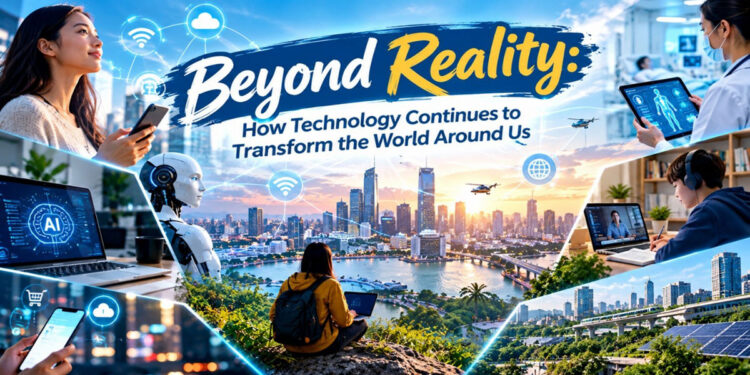
Technology has become such a familiar part of everyday life that it is easy to overlook how dramatically the world has changed. People communicate across continents in seconds, access information from their phones, attend classes remotely, and use digital tools to complete tasks that once required hours of manual work.
Yet the real story of technological progress goes beyond faster devices and smarter software. Technology is changing how people think, work, learn, solve problems, and interact with their surroundings. Artificial intelligence is influencing decision-making, digital platforms are reshaping communication, and scientific advances are opening new possibilities across multiple industries.
These developments bring opportunities, but they also demand careful thought. Questions about privacy, accuracy, accessibility, and responsible innovation are becoming increasingly important. Understanding technology means looking beyond the excitement of new inventions perya color game to consider how they affect real people and the world they share.
1. Artificial Intelligence Is Reshaping Everyday Work
Artificial intelligence (AI) is one of the most significant developments in modern technology. AI-powered tools can summarize documents, translate languages, analyze information, recognize patterns, and assist with creative tasks perya color game.
For example, a small business owner might use AI to organize customer inquiries, while a student could use it to understand a difficult subject. In workplaces, these tools can reduce repetitive tasks and give employees more time to focus on planning, communication, and problem-solving.
However, AI is not infallible. It can produce inaccurate information, misunderstand context, or reflect biases within its training data. Human judgment remains essential, especially when decisions affect people’s opportunities, finances, or safety.
The most effective approach is to treat AI as a tool that supports human capabilities rather than a replacement for independent thinking.
2. Digital Connectivity Is Bringing People Closer
The internet has transformed how people communicate and exchange knowledge. Messaging applications, video calls, online communities, and collaborative platforms allow individuals to maintain relationships and work together regardless of distance.
Connectivity has also created opportunities for remote employment, digital entrepreneurship, and international collaboration. People can learn new skills, share creative work, and access information without always needing to travel or visit a physical institution.
Nevertheless, a connected world is not automatically an equal one. Some communities still face expensive internet services, limited infrastructure, and insufficient access to digital devices. Misinformation and online harassment also demonstrate that connectivity needs thoughtful use.
Digital literacy helps people recognize unreliable information, communicate respectfully, and participate more confidently in online spaces.
3. Healthcare Is Entering a New Digital Era
Technology is changing how healthcare professionals manage information, communicate with patients, and conduct research. Electronic health records can help organize medical information, while telehealth services allow certain consultations to take place remotely.
Researchers also use advanced computing systems to examine large datasets and identify patterns that may support scientific discoveries. Wearable devices can track everyday measurements, such as activity levels and heart rate, giving users additional information about their habits perya color game.
These tools have limitations. Digital readings may not tell the whole story, and remote consultations cannot replace every in-person examination. Medical decisions still require qualified professionals, appropriate testing, and careful consideration of individual circumstances.
When implemented responsibly, technology can support healthcare services while keeping patient safety, privacy, and human care at the centre.
4. Education Is Becoming More Accessible and Flexible
Digital learning has expanded the ways people acquire knowledge. Online courses, educational videos, virtual classrooms, and interactive learning materials allow students to review lessons at different times and progress at their own pace.
Teachers can use digital resources to explain complicated concepts through demonstrations, simulations, and multimedia activities. Adults can also develop professional skills without necessarily returning to a traditional classroom.
However, technology alone does not guarantee meaningful learning. Students need accurate resources, opportunities to ask questions, and guidance from knowledgeable educators. Unequal access to devices and reliable internet can also create barriers.
The strongest educational experiences combine digital convenience with critical thinking, practical exercises, and meaningful human interaction, perya color game.
5. Automation Is Changing Industries and Careers
Automation allows machines and software to perform certain tasks with less manual involvement. Factories use automated equipment for repetitive operations, while offices rely on software to organize records, process information, and manage schedules.
These systems can improve consistency and reduce time spent on routine activities. However, automation may also change job responsibilities and reduce demand for some tasks.
Workers and employers must therefore consider continuous training, adaptable skills, and new career opportunities. Communication, creativity, ethical judgment, and complex problem-solving remain valuable because many situations require understanding that extends beyond a fixed process.
Technological progress is most beneficial when organizations consider both operational improvements and the people affected by change.
6. Technology Also Shapes Culture and Entertainment
Digital technology influences how people discover music, watch films, share stories, and participate in cultural activities. Online platforms allow creative work to reach audiences across geographical boundaries, while interactive experiences introduce new ways to engage with digital content.
Even familiar traditions can become subjects of online discussion and digital documentation. For example, the phrase perya color game may appear in conversations about traditional Filipino fairground activities and how cultural experiences are represented online. Its presence in digital spaces illustrates how familiar expressions and local traditions can become part of broader conversations about culture and technology.
Such changes raise questions about cultural preservation, representation, and the quality of information people encounter online. Technology can help document traditions, but context and respect remain important.

Conclusion
Technology continues to transform the world by reshaping communication, education, healthcare, employment, and entertainment. Its greatest value is not simply that it makes tasks faster, but that it can help people solve problems, share knowledge, and explore perya color game new possibilities.
Progress, however, requires more than innovation alone. Digital literacy, privacy protection, equitable access, and human accountability are essential to ensuring that technological advances benefit communities.
By staying curious and evaluating new tools carefully, people can better understand the changes around them and make informed decisions about the technologies they choose to use.