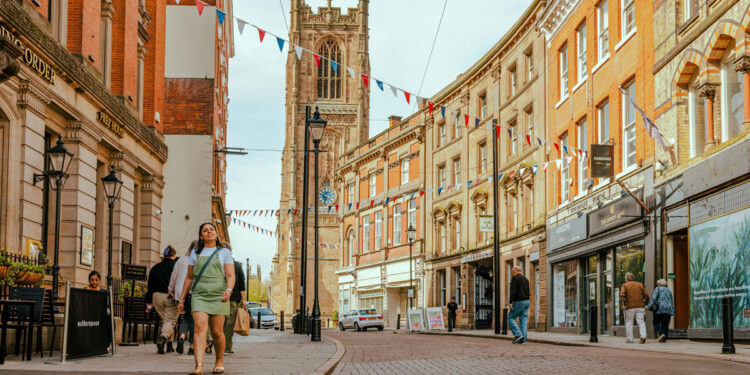
Derby: England’s Overlooked City Break – Travel Review
By Karl Hornsey, October 2026
Despite being less than two hours’ drive from our home, in a county bordering Yorkshire, the city of Derby is somewhere that, until now, I had been completely oblivious to. The tourist appeal of the Peak District and Derbyshire Dales remains as high as ever, with such a beautiful part of the country always likely to draw the crowds, but what about Derby itself?
As with many major cities across the UK, recent years have proven challenging, but Derby feels like a city that’s on the up, with a plan for regeneration to suit all ages, locals and tourists alike. It’s a place that is embracing its past while keeping an eye on the present and future as well, which makes it worth a visit.
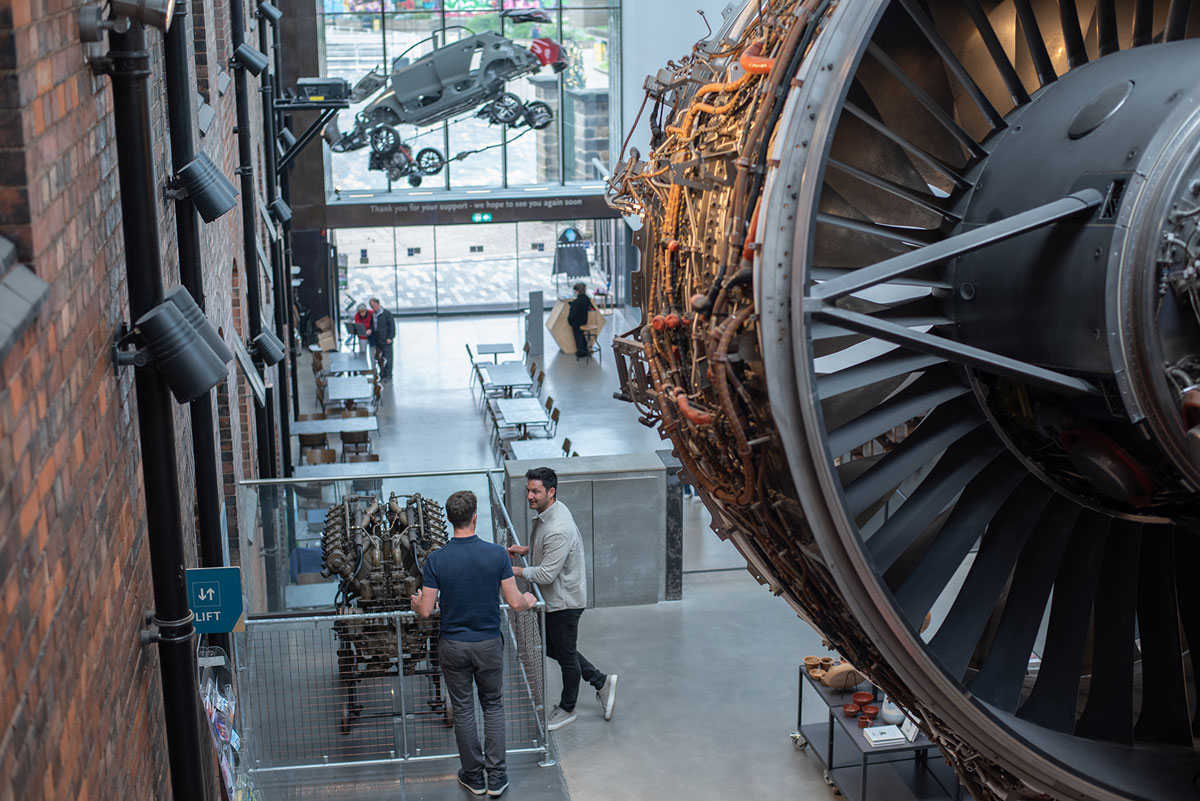
Rolls Royce engine and Toyota car at Museum of Making, Derby
image: Visit Derby
“Home of engineering”
The heritage can be seen all around the city centre, with Derby having been integral to the Industrial Revolution and, more latterly, becoming a home of engineering, exemplified by the impact that Rolls-Royce has had on the city over the last century or so.
Many of the mills used in the textile trade have survived and been converted, and there are a variety of pleasant murals dotted around, celebrating the local heroes who have played such a part in Derby’s history, including artist Joseph Wright, society figure Bess of Hardwick and the founder of modern nursing, Florence Nightingale. The latter lends her name to the attractive Nightingale Quarter, where the regeneration of the former Derbyshire Royal Infirmary has brought life and vibrancy to another area of the city.
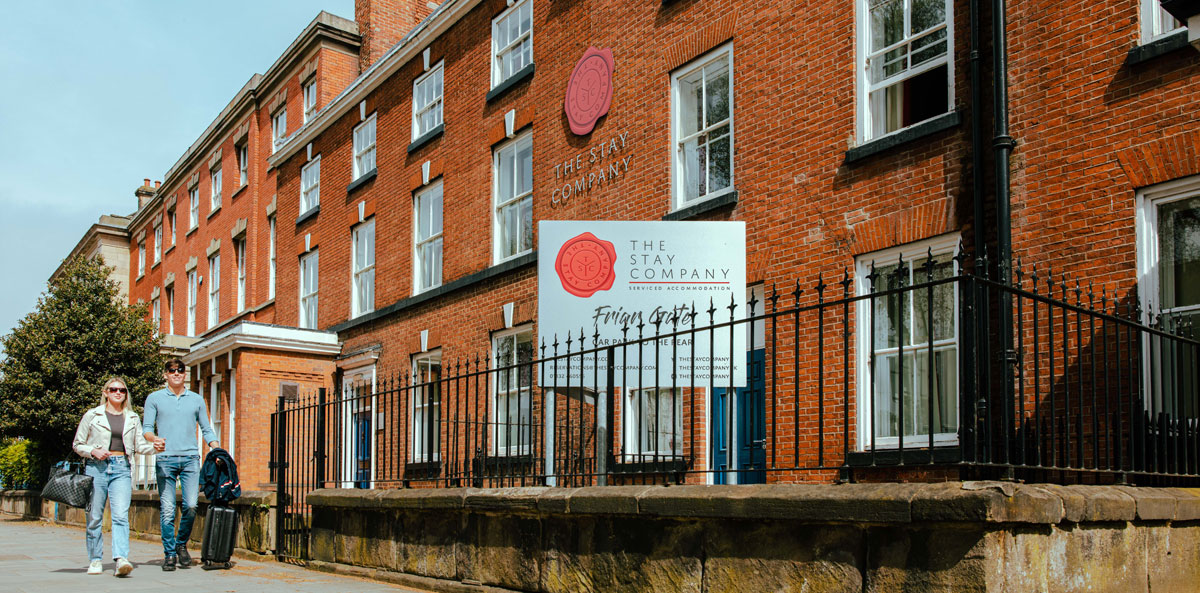
The Stay Company
image: Visit Derby
“Historic”
Accommodation is plentiful around Derby, and we were based in The Stay Company serviced apartments on Friar Gate. The apartments are largely aimed at business travellers and provide an excellent base from which to explore the city, with Friar Gate itself offering up any number of fascinating and historic buildings, including Pickford’s House, but more on that later. A 10-minute stroll from the apartments is all it takes to be bang in the centre of Derby, with the gated parking a major positive of the accommodation.
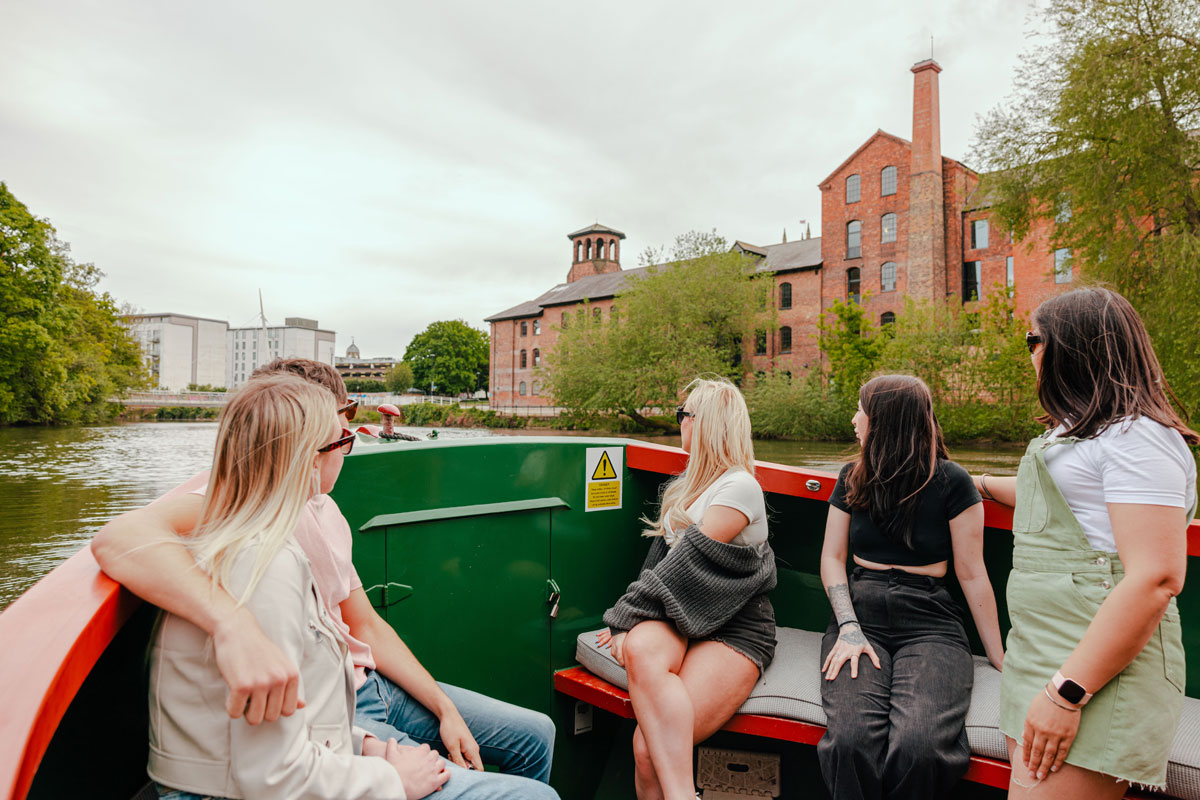
As someone who’s more at home in the countryside than in a city, it’s always nice to find places that offer a certain solace and take you far from the madding crowd. Derby offers this thanks to its wide range of parks and open spaces, and Darley Park, in particular, is well worth a visit. The park can be accessed by car, but our first sight of it was by a much more relaxing mode of transport: a boat trip down the River Derwent.
Derby Riverboat
image: Visit Derby
“Immerse yourself”
The zero-emission, solar-powered riverboat is run by the fantastic volunteers of the Derby and Sandiacre Canal Trust, who offer regular trips on Wednesdays, Saturdays, Sundays and bank holidays from April to October. The audio commentary describes the sights and sounds around you, and the 45-minute trip is a wonderful way to immerse yourself in this calming area of the city. There’s plenty to do at Darley Park itself, including a wildlife park, the country’s largest collection of hydrangeas and fine eateries, including the excellent tapas restaurant Lorentes at Darley Abbey.
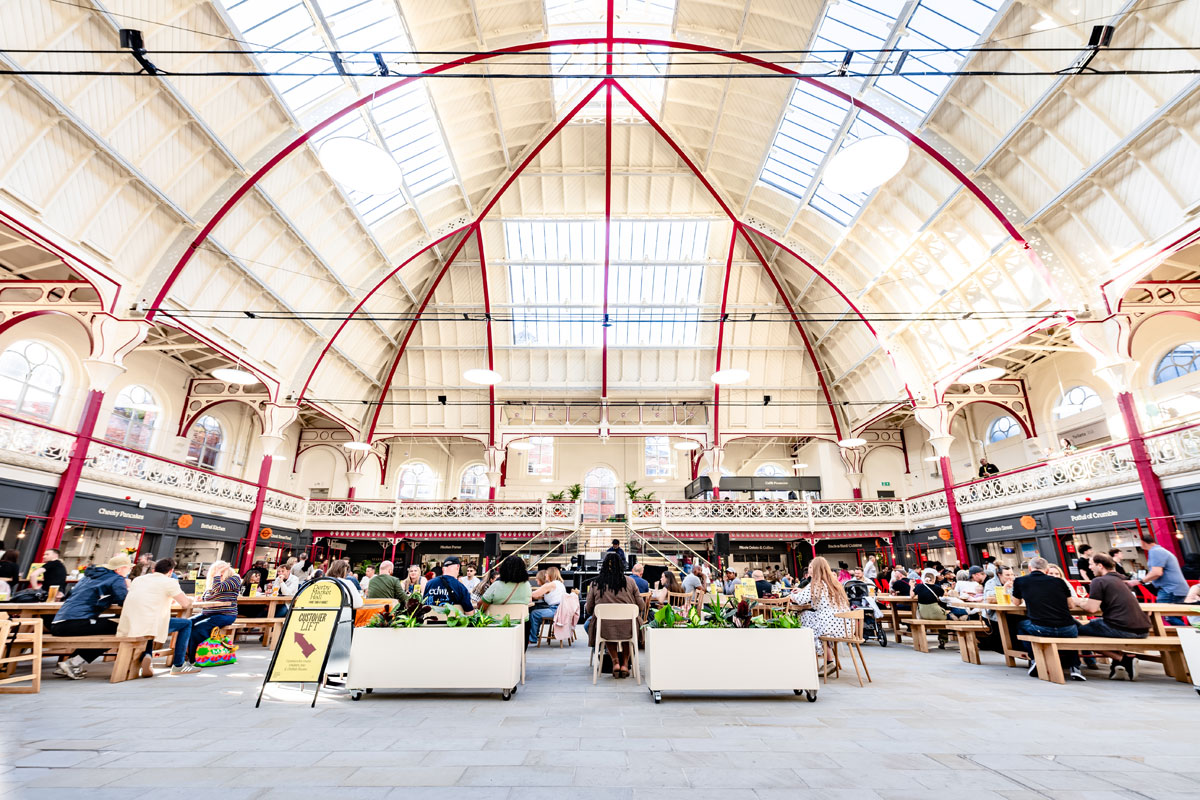
As well as Lorentes, which operates both in Darley Park and on Friar Gate, there’s no shortage of places to enjoy all manner of food and drink across the city. Whatever your tastes or needs, there’s something for everyone, including in one of the newer additions to the Derby landscape, housed inside the Market Hall. This large, multi-floor space is perfect for street-food outlets, craft and gift stalls, and special events, such as the Derby Heritage Beer Festival, which will be held there in the middle of October.
Derby Market Hall, Derby
image: Graham Whitmore
“Outstanding food”
Speaking of real ale, Derby is well placed to embrace the ever-increasing demand for ‘proper’ beer, not only with its festival but also with the array of historic pubs and inns across the city centre, including Ye Olde Dolphin Inne and the Old Bell Hotel, both of which are fascinating buildings to nose around in while enjoying a restorative pint or two. These olde-worlde places are accompanied by plenty of fresh and modern bars and drinking venues, such as one of the newest additions, Bustler Derby, a street-food, drink and social venture in the heart of the city.
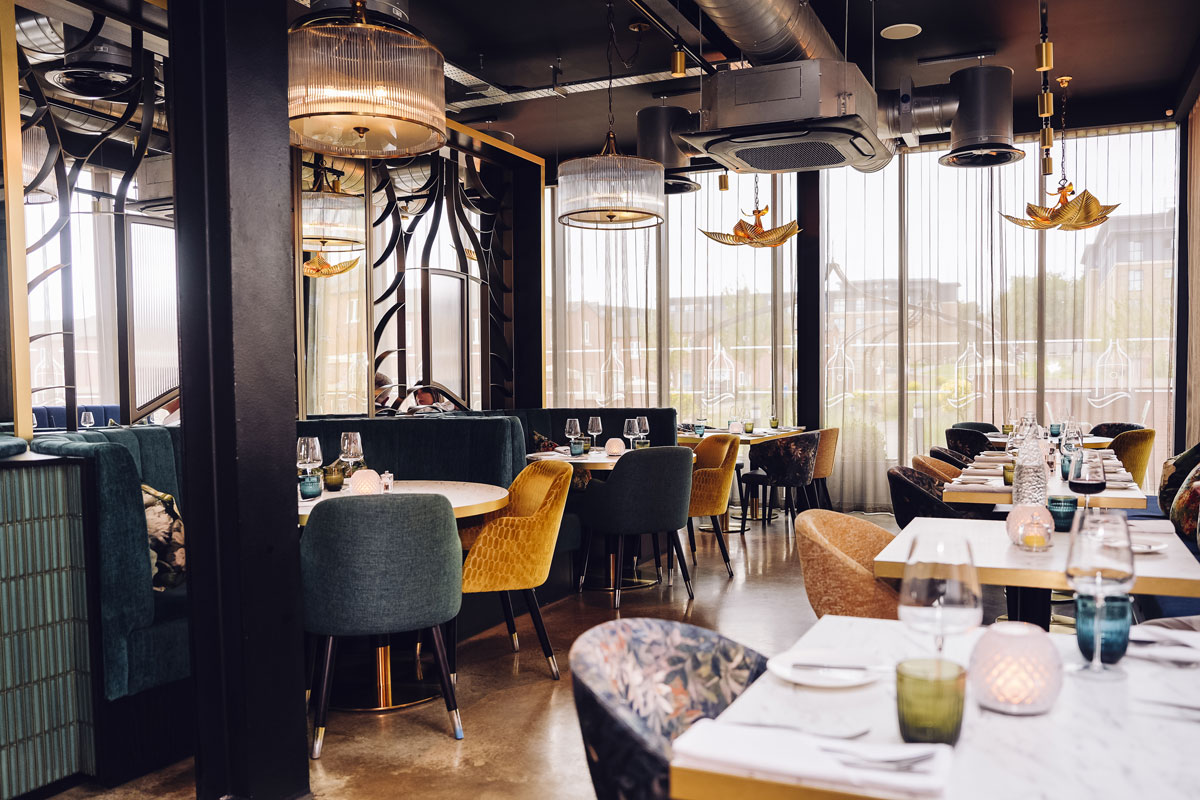
For those wanting to mark a special occasion or simply enjoy outstanding food at very reasonable prices, The Pepperpot is the place to head for. Located in the aforementioned Nightingale Quarter, The Pepperpot holds two AA Rosettes for culinary excellence and was named Restaurant of the Year in 2025, and quite rightly so, judging by our visit. This is quality food in a relaxed atmosphere, with warm, welcoming and knowledgeable staff to attend to your every need. The menu includes the likes of poached and roasted venison loin, pan-fried sea bream, lamb fillet or even ‘simply’ a cheese and bacon burger, but just looking through the menu doesn’t prepare you for the wonderful flavours conjured up in the kitchen.
Inside The Pepperpot
image: Visit Derby
“Public perception”
Additional housing is being created in the heart of the city as Derby tackles an issue that has blighted so many places in recent years: city centres becoming deserted in the evenings. A lack of permanent housing, allied to the fact that so many people now work from home, has left them bereft of life. These projects and ideas mean that there is still something going on in Derby at all hours of the day and suggest a local authority that knows what it’s doing as it marries the new with the old.
A Dracula Trail has recently been established, taking in 20 locations across Derby. It is based on the world premiere of Hamilton Deane’s stage adaptation at the Grand Theatre in 1924, a production that did so much to shape the character’s development and public perception. Upcoming events, alongside the beer festival, include a folk festival, the Making Festival, a book festival and the touring installation Helios, which will be on display at Derby Cathedral (top image, © Visit Derby) at the end of the month.
Museum of Making, Derby with peregrine falcons artwork
image: Visit Derby
“Activities for all ages”
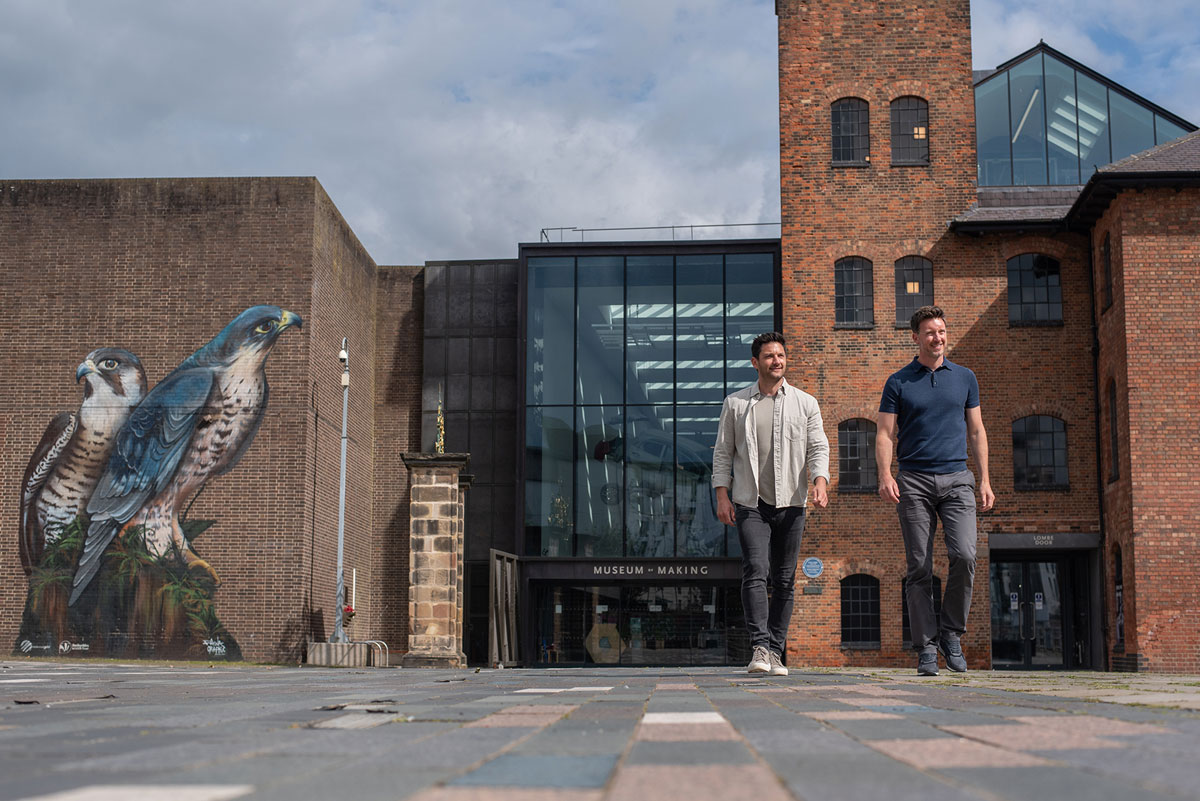
The Making Festival will take place at the Museum of Making, located at Derby Silk Mill within the Derwent Valley Mills UNESCO World Heritage Site, widely regarded as the birthplace of the modern factory. The museum celebrates Derby’s heritage through regular exhibitions and activities for all ages. It also houses the River Kitchen Café and is the boarding point for the riverboat trips. Derby’s other museums of note are Pickford’s House and Derby Museum and Art Gallery.
The former is named after architect Joseph Pickford, who lived in the Georgian townhouse in the 1770s, and offers an insight into middle-class family life during that period. The museum is also currently hosting an exhibition marking 30 years since the creation of Lara Croft in Derby, with the character set to have new life breathed into her through an upcoming TV series. Last but not least, Derby Museum and Art Gallery was established in 1879 and is home to the largest collection of paintings by Derby-born artist Joseph Wright, including the current exhibition ‘From the Shadows’. There’s something for everyone in this museum, from archaeology and ceramics to militaria and global artefacts, and even a room dedicated to Bonnie Prince Charlie.
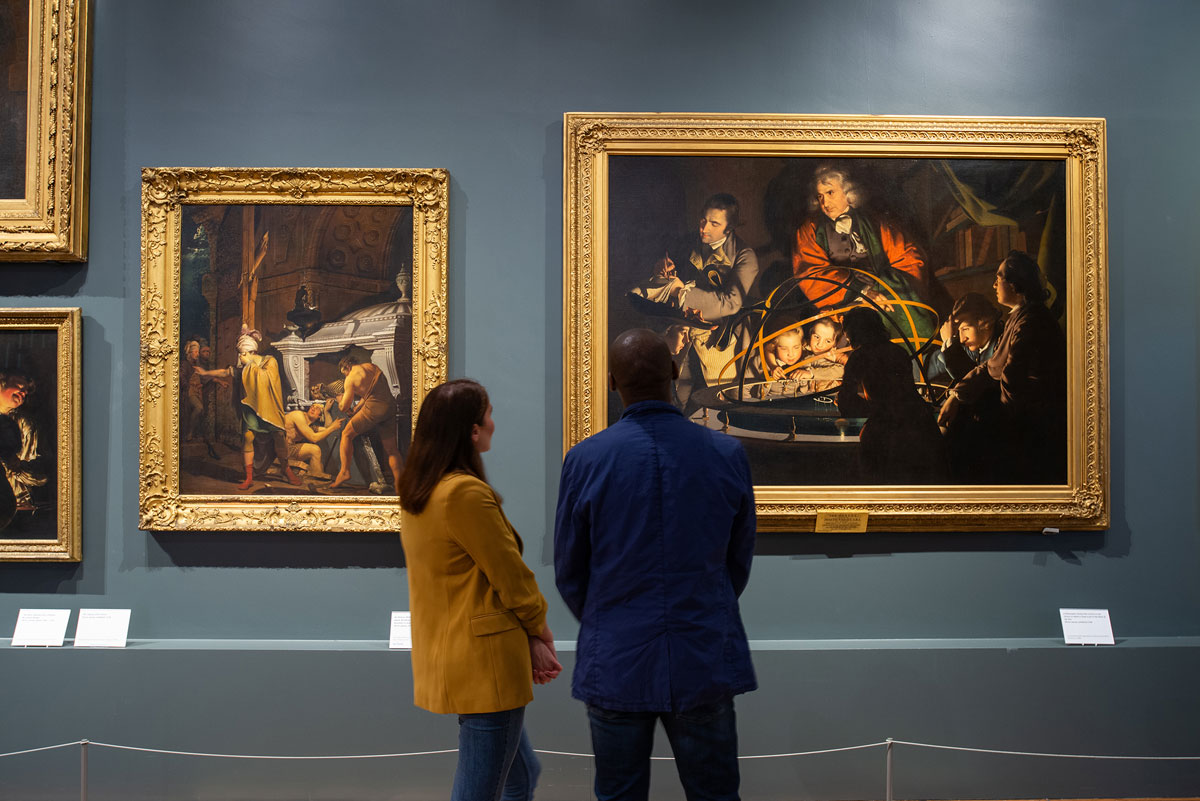
Orrery at Derby Museum and Art Gallery, Joseph Wright
image: Visit Derby
“Variety”
Derby folk seem proud of what they were and what they are, and the activities next year, which will mark both Derby’s 50th anniversary as a city and the centenary of its cathedral status, will make the place even more worthy of a visit. Spending just a few hours in Derby demonstrates the variety of new and old that the city has to offer, with no shortage of activities to pass the time or relaxing venues in which to simply enjoy being there.
For more great ideas of things to see and do in Derby – visitderby.co.uk
Stay at The Stay Company serviced apartments from £95 per night – thestaycompany.com

Karl’s love of writing was piqued at the age of eight, when he won a Blue Peter badge in an essay-writing competition. The location of said badge might be a mystery now, but the memory never fades. Hours spent writing about sport as a teenager, in pre-internet years when you had to make your entertainment, honed his skills, and Karl has worked in TV and radio listings at PA Media for 28 years, and the age of hybrid working means 50% of that can be at home listening to Classic FM and thinking about his next visit to his beloved Yorkshire Dales.
hornskar