The Somerset Cider Trail – Travel Review

By Kevin Pilley, September 2026
The division of labour was agreed in advance.
My wife was the designated apple juice drinker and driver.
And I was the designated Tanglefoot taster.
Which meant, by mid-afternoon, my wife was gritting her teeth and sighing loudly and, oblivious to her martyrdom, I was singing The Wurzels’ Scrumpy ’n’ Western anthem:
I drinks it all of the day
I am a cider drinker
It soothes all me troubles away
But we end up in the duckpond
When the pub decides to close
With me britches full o’ tadpoles
And the newts between me toes
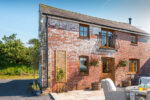
The Newt in Somerset (top image), in Bruton (the old Georgian Hadspen Hall, now with welcome detoxifying spa), between Frome and Yeovil, is the place to stay for a luxury cider crawl of Somerset. It holds “cyder” tasting sessions as well as butchery classes. You can also watch the resident cheesemaker at work on her buffalo mozzarella, made with olive oil from the hotel’s sister estate in Babylonstoren, South Africa. Its Botanical Rooms restaurant features British classics such as wood pigeon and venison.
Travelling the Somerset cider trail teaches you not to mix your Orchard Amble with your Gold Rush, or your Stone Broke with Scrummage. You have to watch the full-bodied Puffins and Beatnik Billys. Carefully.
And not overdo it on the Redstreaks or Parson’s Choice.
Cider appreciation is all about realising that the local Barn Owls have belated kicks.
Respect is key if you are going to do the county’s famous cider route. And come out unscathed.
Visit Somerset has produced a map to help visitors explore some of the county’s thirty award-winning pommeliers and cider makers.

“Converted watermill”
In Dowlish Wake is Perry’s Cider, which has a small barn museum. It makes Grey Heron, Barn Owl and Puffin. You can order “cider paddles” (the cider equivalent of whisky flights) at the cider bar.
Other places of pilgrimage for cider devotees are Myrtle Farm, Winscombe, the home of Thatchers (est. 1904), and Burrow Hill Farm, Martock, the first to be granted a licence. It uses several varieties of cider apples to produce various beverages, ranging from cider and liqueurs to Somerset Cider Brandy, currently the only spirit in England to have a Protected Geographical Indication, or PGI. The cider farm has been described as “The Garden of Eden on tap.”
The Heck family in Middle Leigh, near Street, has been making traditional cider since 1841. Their cider is fermented in wooden barrels and sold draught from the wood. Rich’s is in Highbridge. Hewlett’s Mill is a historic converted watermill set in seven acres near the small market town of Castle Cary. At Crossman’s Cider, Guy, the head cider man, rhapsodises about Yarlington Mill and Harry Masters Jersey apples.
There are also Bennett’s Cider in Burnham-on-Sea, Lawrence’s Cider in Norton Denham, Worley’s and keeved Pilton Cider of Shepton Mallet, and Parson’s Choice farmhouse cider in West Lyng.
Everywhere you go, everyone emerges from farm-gate tastings with a broad grin on their face. Cider tours are short on history and the science of pectin complexation.
And long on sipping and savouring.

“Dangerously moreish”
Cidermaking in Somerset can be traced back to when the Romans introduced apple cultivation to Britain.
And medieval monks took over from there, cultivating orchards and developing fermentation techniques, viewing cider as a health supplement. Perry, made from pears, is not as prevalent as it is in Gloucestershire and Herefordshire. But father and son Chris and Marc, at Roewood Farm, Frome, make Lilley’s Bee Sting, as well as pineapple cider and mulled cider.
The most in-demand cider audiences to be had are at Land’s End Farm in Mudgley, home of Wilkins Cider. It began in 1917 and is currently operated by cider oracle Roger Wilkins. At Three Bridges Farm, Taunton, Master of Cider David Sheppy introduces you to the wonderful world of live yeasts, his 46,000-litre/10,000-gallon modern and age-old vats, oxidation, something called “brown cap”, the three-to-six-month fermentation process, racking, and his high juice count and sublime Sheppy’s Kingston Black.
As well as dangerously moreish Orchard Amble and oak-aged Dabinett.
“Washed and milled”
 Raving about their beloved bittersharps and bittersweets, the experts teach you to value tannin undertones. You also learn that the dialect term “scrumpy” refers to “rough”, a harsh cider made from unselected apples. It probably comes from the noun scrump, meaning “something withered or dried up”, not specifically apples. Or scrump, meaning “to steal fruit”.
“Rough” was the customary drink of farm labourers in the west of England, who would receive up to a quart (1.1 litres) daily as an incentive and bonus.
Modern scrumpy can be dry or sweet and is usually still. Apples are washed and milled in the normal way, but the pulp is then packed into barrels to stand for up to 24 hours. This procedure the French call cuvage.
The 2025 apple harvest was a bumper one. Fruit quality was reported as excellent, high in natural sugars, packed with flavour and full of promise for the following year’s ciders. So book a tour and a few paddles now.
And nominate a driver. And buy some earplugs for them.
And get ready for a couple of days of fairly memorable vintage rough and luxury.
Oowar-o-ahr-ay,
Oowar-o-ahr-ay,
Oowar-o-ahr-ay.
Useful links:
visitsomerset.co.uk
newtinnsomerset.com
wilkinscider.com
www.sheppyscider.com
piltoncider.com
somersetbrandy.com
thatcherscider.co.uk
parsonschoicecider.co.uk
Kevin Pilley is a former professional cricketer and the ex-chief staff writer of PUNCH magazine. His humour, travel, lifestyle and food & drink work appears worldwide. He has been published by over 600 titles.