Something Sinister: Yorkshire’s Horror Film Heritage
Harrogate film historian and critic Christina Brennan has a PhD in post-apocalyptic horror and knows her Exorcist from her Resident Evil. Here, she explores Yorkshire’s rich horror film heritage, revealing how the county’s windswept moors, ordinary suburban streets, coastal towns and historic landmarks have provided the perfect settings for some seriously sinister cinema…
Yorkshire might not immediately spring to mind as one of Britain’s most memorable horror film locations. Despite the lack of an obvious link, the region’s dramatic landscapes have proved surprisingly adaptable to horror cinema over the past few decades. From Wuthering Heights-style windswept moors to East Coast seaside towns and ruined abbeys scattered across rural parts of the iconic county, filmmakers have repeatedly found something spooky in Yorkshire’s familiar scenery.
Horror set in Yorkshire is often at its best when the region’s eye-catching scenery lends itself to a decidedly spooky feel and almost becomes a memorable character in the story rather than just a pretty backdrop. This Halloween, plenty of films offer a distinctly Yorkshire atmosphere, ranging from supernatural ghost stories to folk horror and even apocalyptic zombie horror.
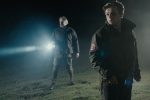
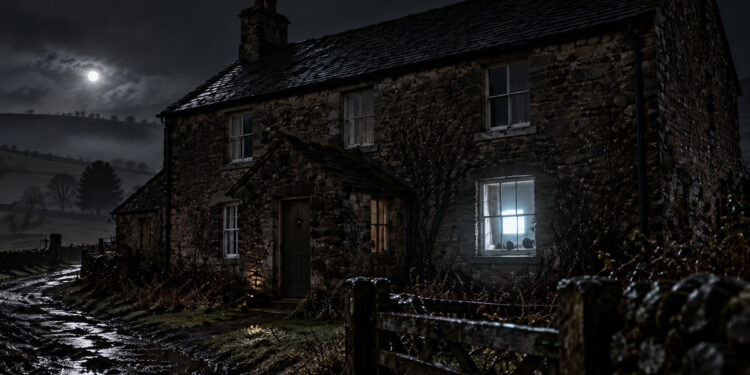
A recent example is Daniel Kokotajlo’s unsettling folk horror film Starve Acre (2023). Set in the Yorkshire Dales, the film follows Richard and Jules, played by Matt Smith and Morfydd Clark, a couple living with their young son in a remote family home in 1970s Yorkshire.

Starve Acre, 2023
“Bleak beauty”
The couple’s seemingly idyllic rural life takes a disturbing turn when their son begins behaving strangely and seeing disturbing visions. As they struggle with their son’s erratic behaviour, Richard also becomes increasingly obsessed with local folklore, believing that its legend holds the answer to his son’s rapid decline. Richard’s obsession leads him to find his father’s journal, which describes an entrance to the spirit world, and he becomes particularly obsessed with the legend of a gnarled, mysterious oak tree that sits ominously on the edge of their land.
Starve Acre makes striking use of the Yorkshire Dales’ bleak beauty, and the rural landscape feels heavy and claustrophobic, as if it presses in on the characters as they uncover the sinister secrets buried beneath their home. Yorkshire’s familiar scenery becomes something altogether more threatening, suggesting ancient, potentially malevolent forces lurk within the windswept moorland.
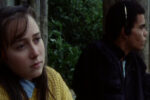
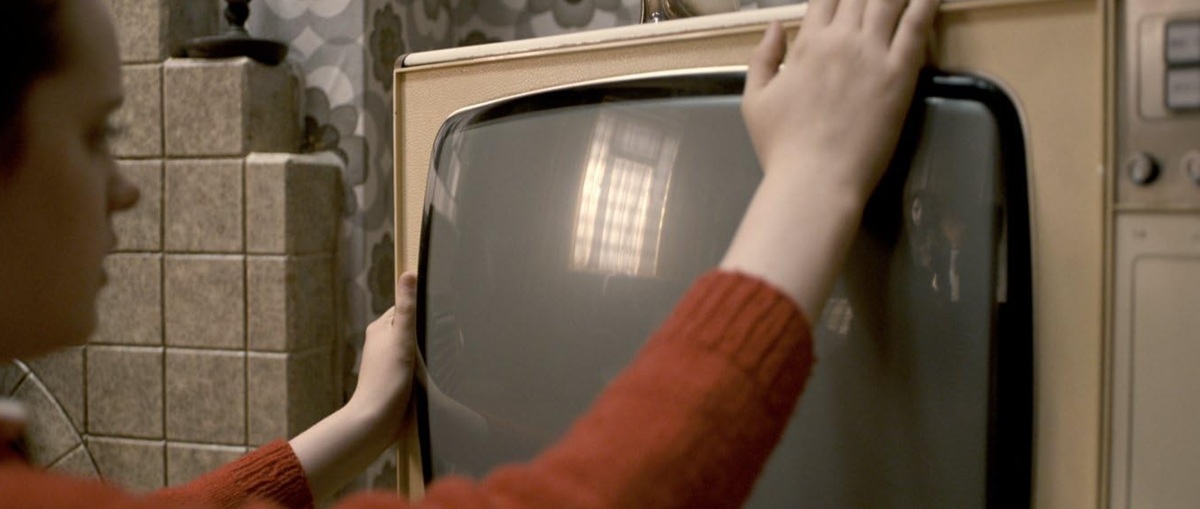
For a rather different kind of Yorkshire horror, When the Lights Went Out (2012) swaps the highly recognisable moorland for the suburbs of the historic Yorkshire market town of Pontefract. Written and directed by Pat Holden, who grew up in West Yorkshire in the 1970s, the film draws on the supposedly true story of the Black Monk of Pontefract. This is one of Britain’s most notorious poltergeist cases, and it recalls oral legends Holden remembers hearing from his family as a teenager.
When The Lights Went Out, 2012
“Rich tradition”
Set in the 1970s, When the Lights Went Out follows a working-class family who move into a new home, only to find themselves terrorised by an increasingly violent supernatural presence. Holden’s film is especially effective in using suburban domesticity as a horror trope. Holden turns the ordinary family home into a source of terror. The film captures something of the atmosphere of working-class Yorkshire in the 1970s. In contrast to the dramatic rural drama of the Yorkshire moorlands in Starve Acre, there is also something especially unsettling about the idea that supernatural horrors might lurk behind the front door of an otherwise unremarkable council house in Pontefract, amid arguments over money and the pressures of settling into a new home.
The film also has a distinctly British quality in its approach to horror, and particularly in how its characters respond to bizarre supernatural events. Alongside the more conventional scares, Holden finds moments of humour in the family’s attempts to carry on with their everyday routines, even as the poltergeist in their home grows increasingly violent. The film also draws on Yorkshire’s rich tradition of local ghost stories, turning a supposedly real haunting into regional horror cinema.
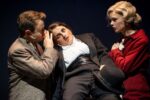
Another film that makes particularly effective use of Yorkshire’s familiar surroundings is Ghost Stories (2017), the supernatural horror anthology written and directed by League of Gentlemen writer Jeremy Dyson and Andy Nyman. Filmed partly in and around Leeds and other locations, the film follows Professor Phillip Goodman (Nyman), a sceptical academic who has devoted his career to debunking supposedly supernatural phenomena. When he is challenged to investigate three apparently inexplicable cases, his rational understanding of the world begins to unravel.
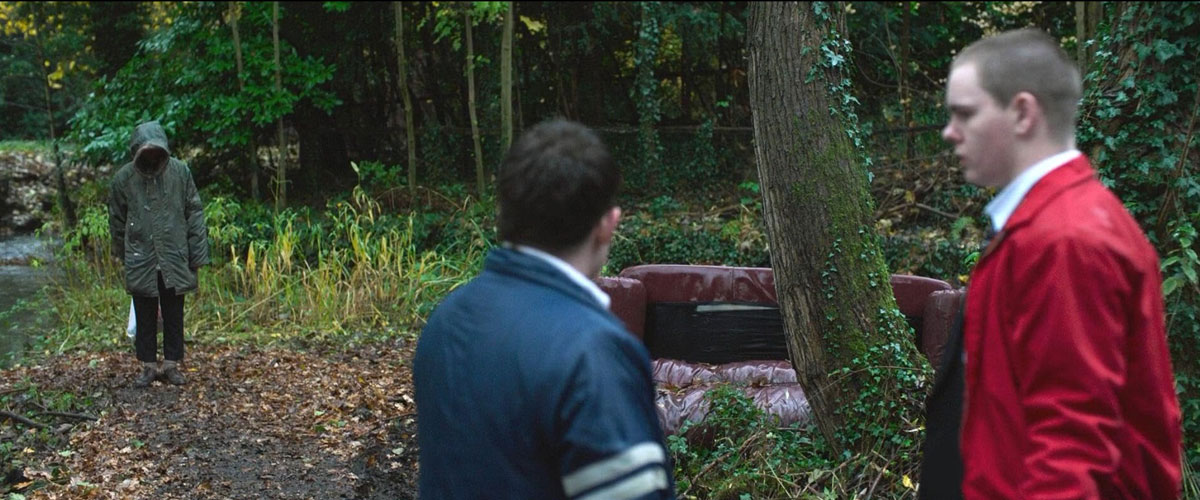
Ghost Stories, 2017
“Obsessed”
Like When the Lights Went Out, Ghost Stories finds horror in recognisable, everyday settings rather than traditionally Gothic locations. From deserted industrial buildings in outer city to lonely stretches of road in Leeds suburbs like Moortown and Roundhay, the film transforms familiar northern landscapes into places of considerable supernatural horror.
Similarly to Yorkshire suburbs, the region’s seaside towns have also provided an atmospheric backdrop for horror, most notably in Rose Glass’s psychological horror Saint Maud (2019), filmed partly in Scarborough; the film stars Morfydd Clark as a deeply religious young nurse who becomes increasingly obsessed with saving the soul of her terminally ill patient.
The contrast between Scarborough’s bright, bustling tourist attractions and Maud’s increasingly disturbed psychological state creates a particularly unsettling atmosphere. Here, Yorkshire’s coastal scenery reflects the character’s growing alienation from the world around her.
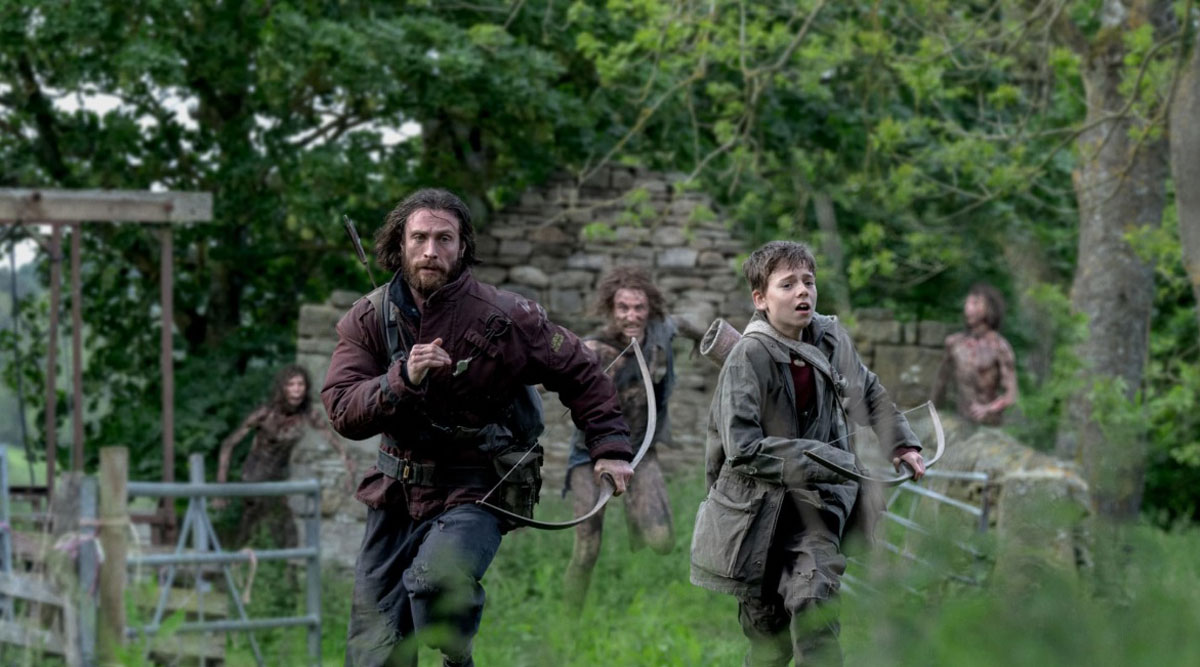
28 Years Later, 2025
“Centuries-old folklore”
More recently, Danny Boyle filmed scenes for his post-apocalyptic zombie horror 28 Years Later (2025) at Fountains Abbey, near Ripon. The ruined abbey provided an unlikely Gothic setting for Boyle’s bloody zombie drama, which unfolds decades after a devastating viral outbreak turns much of the world’s population into flesh-eating, fast-moving zombies.
There’s an eerie poignancy to Boyle’s use of Fountains Abbey as a filming location, with its centuries-old ruins contrasting sharply with the violence and bloodshed at the heart of 28 Years Later. By bringing his apocalyptic vision to Fountains Abbey, Boyle transformed one of Yorkshire’s most recognisable historic landmarks into an unlikely horror film location, where the tranquillity of the English countryside gives way to zombie-inflicted carnage.
What connects these Yorkshire films is their ability to find something frightening in familiar regional scenery, turning recognisable landscapes and everyday surroundings into places of mystery, unease, and supernatural terror. Whether drawing on centuries-old folklore, local ghost stories or more contemporary psychological fears, filmmakers have found plenty of inspiration in the county’s distinctive scenery and history. For Yorkshire audiences looking for something suitably spooky to watch this Halloween, there’s certainly no shortage of homegrown horrors to choose from.
Christina Brennan will be presenting National Science & Media Museum’s Halloween screenings – more info here