Why Traditional Broadcast Television Still Matters
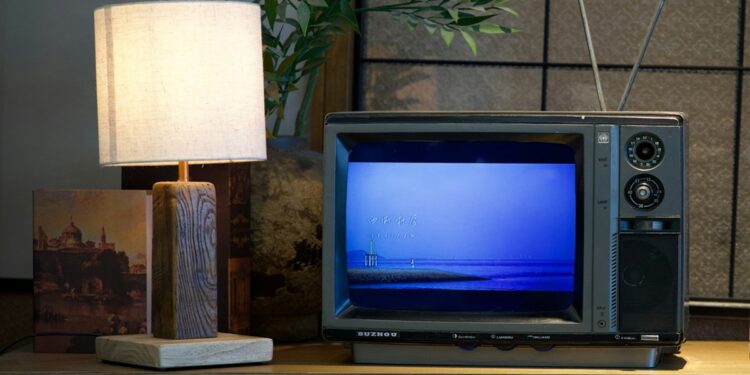
Traditional broadcast television remains a practical part of home entertainment, even as streaming takes a growing share of viewing time. Freeview provides familiar channels, scheduled programmes and live national events without asking you to manage another monthly payment. It also works well alongside streaming services, giving households a dependable way to watch everyday television while saving on subscriptions and avoiding broadband-related interruptions.
The Reality of Subscription Fatigue
Streaming has become the dominant way to watch television in many markets. Nielsen’s streaming viewing milestone shows how firmly online platforms have entered the mainstream. Yet the growing number of services can make finding a particular programme surprisingly complicated.
A household might subscribe to three or four platforms, then discover that a favourite series has moved elsewhere. Introductory offers expire, prices rise and unused memberships continue taking payments. Freeview offers a useful baseline of news, entertainment, documentaries and children’s programming with no recurring television subscription. Review your streaming payments every few months and keep only the services you actively watch. Broadcast television can cover routine viewing while you rotate paid platforms for specific programmes.
Zero Buffering for Major Live Moments
Live television exposes one of streaming’s persistent weaknesses: its reliance on a stable broadband connection. During a major sporting final, election broadcast or national event, an overloaded home network can lower picture quality or leave the screen buffering. Streaming feeds may also run behind the broadcast signal, so a phone notification or a neighbour’s cheer can reveal the result early. Advice on improving the streaming experience also highlights the importance of a reliable broadband connection when watching programmes online.
A properly configured aerial feed reaches the television independently of your internet connection. If reception regularly breaks into blocks, channels disappear after bad weather or different rooms receive uneven results, professional TV aerial installation can identify signal faults and provide suitable television points. Test every set before an important live broadcast and retune only when broadcasters advise it, since repeated retuning during a signal fault may remove channels from the guide.
Hardware Behind Crisp Freeview Feeds
Picture quality depends on more than the television itself. The aerial’s type, position and alignment affect the signal reaching your home, while old coaxial cable, loose connectors and poorly chosen splitters can weaken it before it reaches the screen. Homes with several television points may also need carefully planned distribution equipment.
Check accessible cables for sharp bends, damaged outer coverings and plugs that move inside their sockets. Avoid stacking several inexpensive splitters behind the television, as each division can reduce signal strength. An amplifier may help where one good signal must serve several rooms, but it cannot repair a weak or noisy incoming feed. The continuing case for broadcast TV rests partly on this straightforward infrastructure, which delivers shared live programming without placing extra demand on household broadband.
Unlocking High-Definition Broadcasts
High-definition Freeview channels need compatible receiving equipment and a television capable of decoding the relevant broadcast format. Some older sets can display HD pictures from connected devices yet cannot tune broadcast HD channels on their own. A compatible Freeview box or recorder may extend the useful life of such a screen.
Start by checking the programme guide for HD versions of major channels. If standard-definition services appear clearly but HD channels are absent, confirm that the television or set-top box supports Freeview HD before assuming there is an aerial problem. Next, check for software updates and follow the manufacturer’s tuning instructions once. Persistent pixelation across several HD channels points towards a reception or cabling issue that needs testing.
Broadcast television earns its place when the picture appears instantly for the programme everyone wants to watch. Keep the cabling sound, use compatible equipment and let Freeview handle the live moments that shouldn’t depend on the strength of your Wi-Fi.