The Clean Tech Breakthroughs Making Headlines
Clean technology has become about practical solutions that improve how you live and work. Rising energy demands, sustainability targets, and pressure to reduce costs are driving innovation across multiple sectors. From smarter energy networks to lower-carbon construction materials, businesses are finding new ways to improve efficiency without sacrificing performance. These developments matter because they offer tangible benefits, including lower energy consumption and reduced emissions.
Innovations shaping the future of renewable energy
The renewable energy sector continues to evolve beyond wind turbines and solar panels. Researchers and manufacturers now focus on improving how energy is stored and used. This approach helps tackle challenges around reliability and efficiency, making clean energy solutions more practical for businesses and households alike.
The rise of smart energy solutions
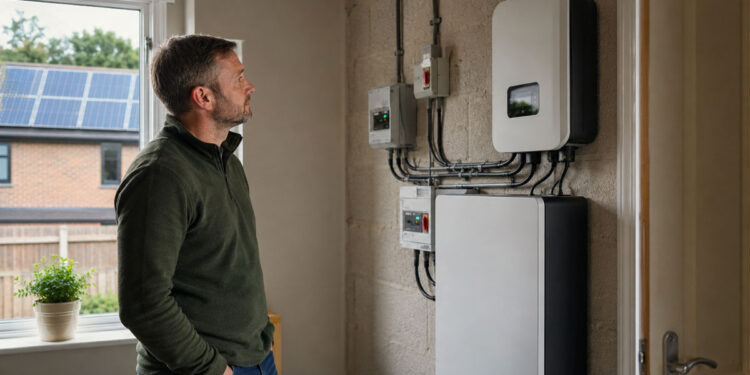
Smart grids, battery storage systems and home energy management tools are making energy use more efficient. Modern smart grids use real-time data to balance supply and demand, reducing waste and improving reliability. Home battery systems allow households to store excess solar energy for later use, while smart controls can automatically adjust heating and appliance use based on demand. These innovations help consumers make better use of available energy while reducing pressure on the wider network.
Breakthroughs in sustainable building materials
New building materials are helping the construction sector reduce its environmental impact. Carbon-neutral and low-carbon concrete alternatives cut emissions associated with traditional cement production, while recycled composites give waste materials a valuable second life. Advanced insulation products improve thermal performance, helping buildings retain heat in winter and stay cooler in summer. For occupants, this can mean lower energy bills and more comfortable indoor spaces. Projects across the UK are already demonstrating how these materials can support lower-carbon construction without compromising durability.
Renewable energy on the move: transportation innovations
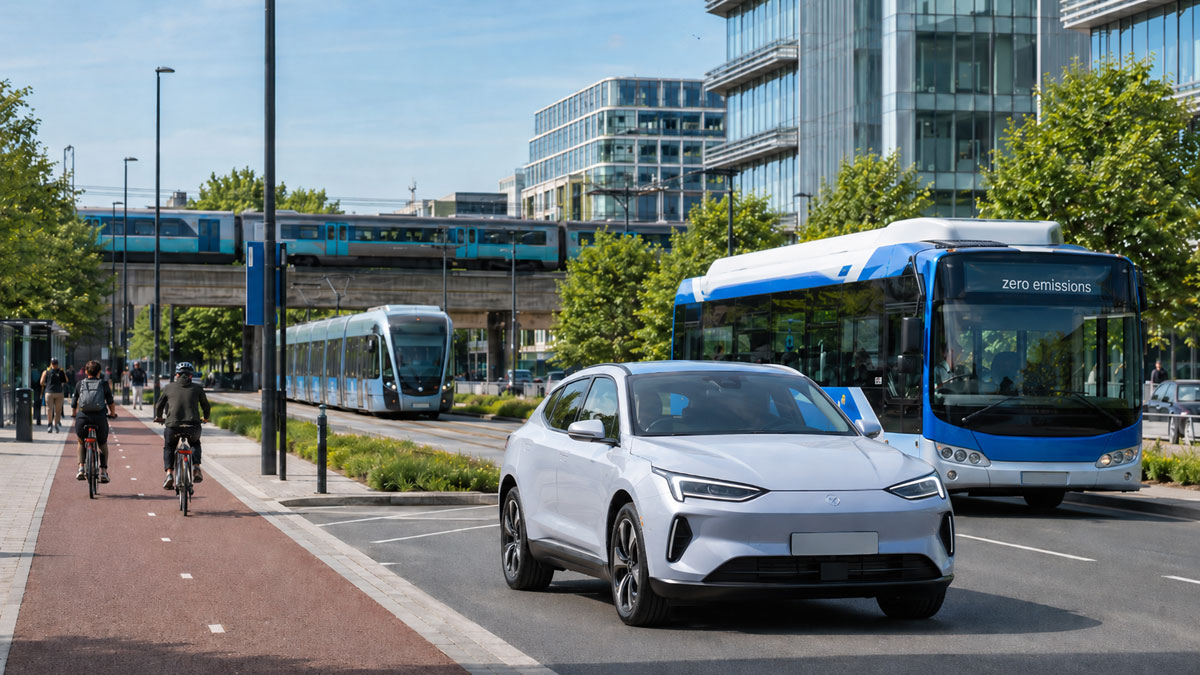
Transport is undergoing a major transformation through electric vehicles, hydrogen fuel cells and cleaner public transport systems. Electric vehicles continue to become more practical as battery technology improves, while hydrogen-powered buses offer a low-emission option for longer routes. Cities investing in cleaner transport networks are reducing emissions and improving air quality. These developments show how renewable energy is supporting a shift towards more sustainable mobility solutions.
The role of data and digital tools in renewable energy
Data analytics, artificial intelligence and connected devices are helping energy systems operate more efficiently. Smart sensors can monitor performance in real time, allowing operators to identify problems and optimise energy use. Businesses benefit through improved efficiency and lower operating costs, while consumers gain greater visibility over their energy consumption. As digital tools become more advanced, they will play an increasingly important role in creating responsive and efficient energy infrastructure.