How to Keep Your Home Cool and Fresh in Summer Without Letting in Dust and Pollen

Summer can make a home feel brighter and more comfortable, but it can also bring a familiar problem: warm, stuffy rooms, open windows, and unwanted dust and pollen settling indoors.
For people with hay fever, asthma, allergies or sensitivity to poor indoor air quality, this can quickly become frustrating. You want fresh air, but you do not want outdoor pollen, dust, traffic particles or garden debris coming into your living space.
The good news is that a cooler, fresher home does not depend on leaving every window open all day. With smarter ventilation habits, better humidity control, regular cleaning and simple filter maintenance, it is possible to improve summer comfort while reducing how much dust and pollen enters your home.
Why homes feel stuffy in summer
When outdoor temperatures rise, heat can build up quickly indoors. Sunlight through windows, cooking, showers, appliances and everyday activity all add warmth and moisture to the air.
At the same time, many people keep windows and doors closed during the hottest part of the day to stop warm air coming inside. While this can help reduce overheating, it can also limit airflow. Without enough fresh air movement, rooms may start to feel stale, heavy and uncomfortable.
Modern homes can make this more noticeable. Better insulation and airtight construction can improve energy efficiency, but they also make planned ventilation more important. If air is not moving properly, moisture, odours and airborne particles can remain indoors for longer.
Why opening windows is not always enough
Opening windows is one of the easiest ways to bring fresh air into the home. However, summer air is not always as clean as it feels.
During pollen season, open windows can allow pollen to enter and settle on carpets, bedding, curtains, furniture and clothing. Dust, traffic pollution and garden particles can also come indoors, especially if you live near a busy road, construction work, fields, trees or freshly cut grass.
This is why some people notice allergy symptoms getting worse inside the home, even when they have not spent much time outdoors. The issue is not only the outdoor air itself, but also the particles that settle indoors and get stirred up again later.
Practical ways to keep your home fresh in summer
Ventilate at the right time of day
Instead of leaving windows open for long periods, ventilate more strategically. Short bursts of fresh air can be more effective than keeping windows slightly open all day.
Try opening windows when the outdoor temperature is lower and the air feels fresher. In many homes, this may be early in the morning or later in the evening. However, if someone in the household has hay fever, it is worth checking local pollen forecasts and adapting your routine.
Where possible, open windows on opposite sides of the home for a short time to create cross-ventilation. This can help move stale air out and bring fresher air in without giving dust and pollen too much time to settle indoors.
Use blinds and curtains before rooms overheat
One of the simplest ways to keep a home cooler is to stop heat entering in the first place. Close blinds, curtains or shutters on sun-facing windows before the room becomes hot.
This is especially useful in bedrooms, living rooms and home offices that receive direct sunlight. Once a room has overheated, it is much harder to cool it down naturally.
Internal doors can also help. Keeping doors open between cooler rooms may support airflow, while closing doors to very hot rooms can stop heat spreading through the rest of the home.
Reduce dust and pollen on indoor surfaces
Once dust and pollen enter the home, they do not simply disappear. They settle on floors, shelves, soft furnishings and bedding. Regular cleaning helps reduce the amount that gets stirred back into the air.
Use a damp cloth instead of a dry duster, as dry dusting can move particles around rather than remove them. Vacuum carpets, rugs and upholstery regularly, especially in bedrooms and high-traffic areas.
If you have pets, pollen can cling to their fur and paws after they have been outside. Wiping them down before they settle on sofas or beds can help reduce the amount brought indoors.
Laundry habits matter too. Drying clothes, towels or bedding outside can make them smell fresh, but during high-pollen days they may collect allergens before being brought back inside. If someone in the household struggles with hay fever, indoor drying or using a tumble dryer may be a better option during peak pollen periods.
Control humidity as well as temperature
A comfortable summer home is not only about temperature. Humidity also plays an important role.
If indoor humidity is too high, rooms can feel clammy, heavy and uncomfortable. Excess moisture can also increase the risk of condensation and mould, especially in bathrooms, kitchens and poorly ventilated spaces.
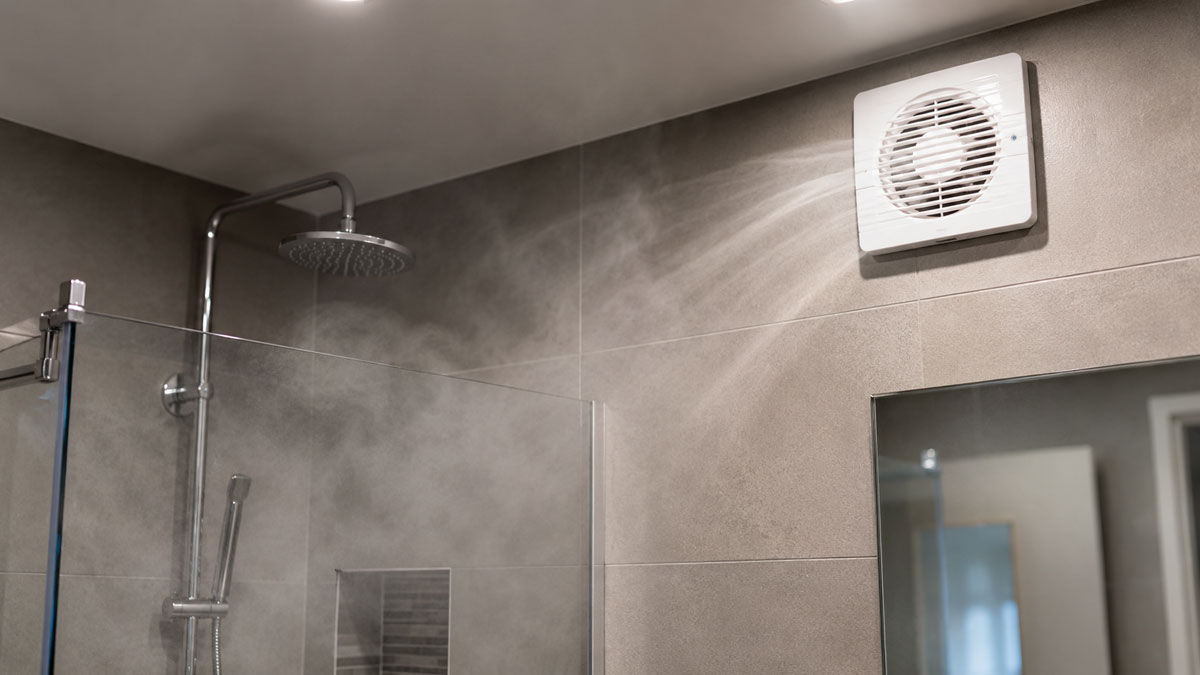
Use extractor fans when cooking or showering, and keep them running for a short time afterwards if needed. Put lids on pans while cooking to reduce steam. Avoid drying large amounts of laundry indoors without ventilation, especially in small rooms.
On the other hand, very dry air can irritate the throat, nose and skin. The goal is balanced indoor comfort: fresh air, controlled moisture and a stable indoor environment.
Do not forget your ventilation system
Check filters before summer peaks
If your home has a mechanical ventilation system, such as an MVHR unit, summer is a good time to check that it is working properly. These systems are designed to move air through the home, but their performance depends on clean and suitable filters.
Dirty or ageing filters can restrict airflow, reduce filtration performance and make the system work harder. This may make indoor air feel less fresh, especially during periods of high pollen, dust or warm weather.
Homeowners who need compatible replacement filters for MVHR and ventilation systems can visit Filter Express, a UK online store specialising in original and house-brand replacement filters for a wide range of MVHR and home ventilation units.
Follow the manufacturer’s guidance
Filter replacement schedules can vary depending on the system, the filter type and the surrounding environment. Homes near busy roads, fields, trees, building work or high-pollen areas may need more frequent checks.
As a general habit, inspect your ventilation filters regularly and follow the manufacturer’s replacement guidance. Clean, suitable filters help support airflow, protect the ventilation unit and keep the system working as intended.
A simple summer indoor air checklist
Keeping your home fresh in summer is easier when it becomes part of a routine. You do not need to make major changes all at once. Small habits can work together to create a noticeable improvement.
Check pollen forecasts. Ventilate at sensible times. Use blinds before rooms overheat. Clean dust-prone areas regularly. Keep humidity under control. Maintain extractor fans, vents and ventilation filters.
You may not be able to stop every particle of dust or pollen from entering your home, but you can reduce how much gets in, how long it stays there and how much it affects your comfort.
A fresh summer home is not just about opening windows. It is about managing airflow, heat, moisture and cleanliness in a smarter way. With the right approach, you can enjoy a cooler, more comfortable home without inviting the worst of summer’s dust and pollen indoors.