How to Store Food Properly and Cut Waste in Half

Food waste is one of the most addressable environmental challenges facing UK households, with simple storage improvements and planning strategies capable of reducing both bin contents and grocery bills. Understanding proper preservation techniques changes fresh ingredients from ticking time bombs into reliable pantry staples whilst contributing meaningfully to sustainability efforts.
1. Understanding the scale of food waste in the UK
British households discard staggering quantities of perfectly edible food annually. According to WRAP (Waste and Resources Action Programme), UK homes waste approximately 4.7 million tonnes of edible food each year, which is the equivalent of roughly £17 billion in value. This waste generates unnecessary greenhouse gas emissions through production, transportation and decomposition whilst straining household budgets during a cost-of-living crisis. The average family wastes around £700 annually on food that goes uneaten, representing a significant financial drain alongside environmental harm. Much of this waste stems from poor storage practices, overbuying and confusion about date labels rather than genuine food spoilage, meaning relatively straightforward changes yield substantial improvements.
2. Smart storage: maximising freshness and shelf life
Proper storage extends ingredient lifespans considerably. Fridges should maintain temperatures below 5°C, as Food Standards Agency guidance emphasises, with different zones suited to specific foods, like dairy and ready-to-eat items on upper shelves and raw meat at the bottom, preventing cross-contamination. According to BBC Good Food’s waste reduction guide, storing vegetables in crisper drawers with appropriate humidity settings prevents premature wilting, whilst bread keeps fresher at room temperature in sealed containers than refrigerated. Freezing remains underutilised, since bread, cheese, cooked rice and even milk freeze successfully, extending usability by months. Regular milk delivery services help households manage fresher, smaller quantities more efficiently, reducing the likelihood of large bottles spoiling before consumption whilst minimising plastic waste through reusable glass bottles. Understanding “best before” dates (quality indicators) versus “use by” dates (safety markers) prevents unnecessary disposal of perfectly safe food.
3. Practical tips for weekly meal planning and portion control
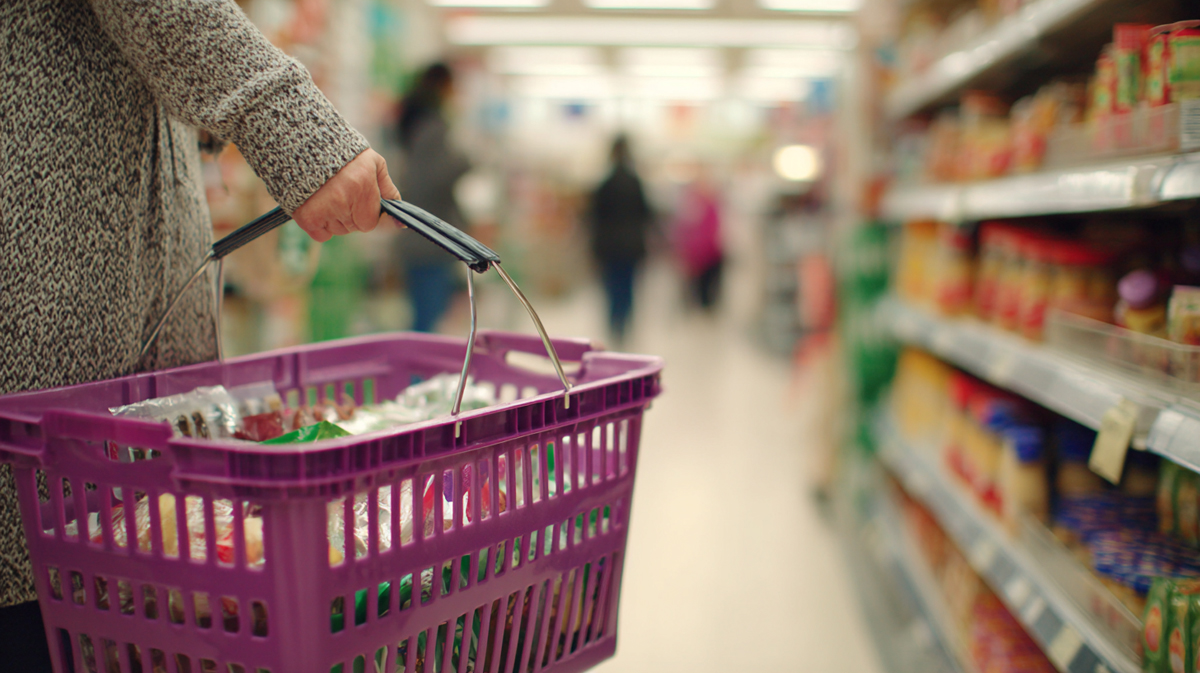
Meal planning prevents impulse purchases and overbuying that leads to waste. Creating shopping lists based on specific planned meals guarantees that ingredients actually get used instead of languishing forgotten in fridge corners. Cooking appropriate portions eliminates plate waste, with Love Food Hate Waste campaigns providing measurement tools preventing excessive preparation. Studies on food waste highlight that batch cooking and deliberate leftover planning change excess food into convenient future meals rather than compost. Shopping more frequently with smaller baskets, instead of weekly bulk shops, accommodates changing appetites and prevents fresh produce from spoiling before consumption.
4. Recycling, composting and innovative solutions
When food genuinely cannot be saved, proper disposal reduces environmental impact. Local authority food waste recycling schemes, expanding across the UK, divert organic matter from landfills where it generates methane. Home composting transforms vegetable peelings and garden waste into valuable soil amendments. Food-sharing apps like Olio and Too Good To Go connect households with surplus food to neighbours who’ll use it, whilst restaurants offer discounted end-of-day meals, preventing commercial waste.
Halving household food waste needs commitment but delivers substantial financial savings, environmental benefits and the satisfaction of respecting resources that require significant effort to produce and deliver.