Should You Really Get a Colourful Sofa? Yes or No, Depending On This
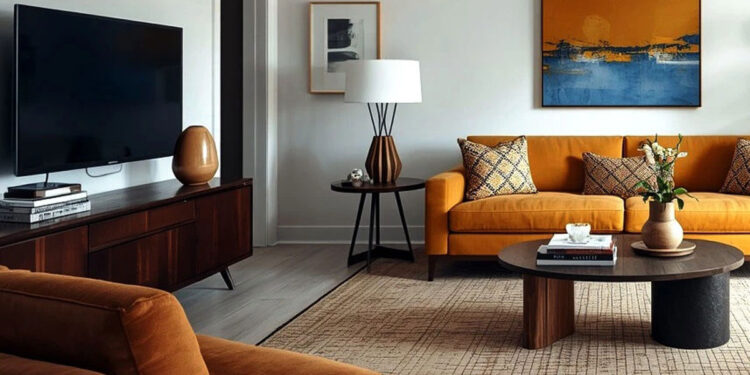
Sofa colour is the decision most people put off the longest when furnishing a room. Grey and beige get chosen by default because they’re safe, not because anyone particularly loves them. But safe and forgettable often turn out to be the same thing. The better question isn’t which colour is trending this year; it’s whether colour actually suits this room, this lifestyle, this household.
By the time someone actually gets to a Poltrona Frau sofa, the nerve usually runs out rather than in: months of comparing cool models and high-level fabrics, and the safe choice wins, a plain light grey that won’t ruin the piece but won’t show off what it’s actually capable of either. That instinct to play it safe isn’t always the right one, though: there are plenty of situations where colour is actually the better choice, not just the boldest.
Say Yes to a Coloured Sofa If…
- Evenings default to that spot. Meals eaten there, most evenings spent on it, someone falling asleep on the armrest before the news: in that kind of daily use, colour absorbs wear better than a pale neutral, which tends to show every mark faster, from a coffee ring to the faint outline of where someone always sits.
- There’s dark fur in the house. A dark-coated cat or dog barely shows against a rich, saturated colour, while the same fur would stand out immediately on anything pale or neutral.
- Nothing about the room stands out yet. Whether it’s being furnished from scratch or has been beige and forgettable for years, a coloured sofa is often the fastest way to give it one, since it’s the single largest surface in most living rooms.
- It’s a sofa that’ll age well. On a well-designed piece, a bold colour is worth choosing precisely because it shows off the shape and the craftsmanship. The same sofa in white or grey ends up looking like a wasted opportunity.
- It’s a proper colour, not a wishy-washy one. Midnight blue, burgundy, forest green, or a less obvious pastel like deep mauve are decisive, characterful colours, worth choosing for the instant effect they actually have on a room.
- The room already has a considered palette. A vase on a shelf, the frame around a print, the tones already sitting in a rug under the coffee table: a coloured sofa can pick one of these up and carry it through the room, tying together tones that were already scattered around it and giving them something to finally settle around.
- It’s a forever home. Somewhere the household’s taste has already settled after years of living there and trying a few things that didn’t quite work, there’s simply more room to be bold.
Say No to a Coloured Sofa If…
- The sofa doubles as a workspace. Anyone taking video calls from that spot needs a background that doesn’t compete for attention on screen: a bold-coloured sofa on the screen communicates something a neutral, anonymous one simply doesn’t, and that’s not always what the moment calls for.
- There’s grey hair or a light-coated pet in the house. White or grey hair, human or animal, shows up clearly against a deep, saturated colour, the same way it barely registers on a pale neutral.
- It’s already a finished-looking room. Moquette carpet, cotto flooring or a piece of antique furniture, all common in older Yorkshire homes, already carry their own texture and colour: a neutral sofa can pull these pieces together, giving the room a more contemporary feel.
- It’s a cheap, poorly made sofa. A badly shaped frame and lumpy, cheap padding show every flaw more on a bold colour than on a neutral one: uneven dye, patchy fading, a shape that sags out of place within a year or two. Colour draws attention to exactly the things a cheap sofa can’t afford to have noticed.
- The shade is a washed-out one. Salmon pink, apple green, lime yellow and similar tones look flat and faded, more like a colour that’s already lost its punch than one anyone chose on purpose. A plain white sofa does the room more favours than one in a shade that looks tired from day one.
- It’s a first home. Preferences haven’t fully settled yet in a first living room furnished without much reference to anyone else’s taste, and what feels exciting at twenty-three can feel exhausting by twenty-six. It’s a far cheaper mistake to fix through cushions and rugs than through an entire sofa.