Gaming Sites in the UK, Judged the Yorkshire Way: Does It Deliver or Doesn’t It?
Yorkshire does autumn properly. Harrogate fills up for its food and drink festival crowds, Leeds keeps adding restaurants to a scene that already punches above its weight, and Sheffield’s theatres and galleries run a culture programme busy enough that missing a booking window means missing the run altogether. Anyone who has spent an evening working out which Leeds table to book, or which Harrogate stall actually has a queue worth joining, knows the drill: this is a region that treats a night out as worth getting right, and treats the people who don’t bother checking first as the ones who end up disappointed.
That same instinct carries over once the plates are cleared and people are deciding how to spend the rest of the evening. For a growing number of Yorkshire readers, that means opening a laptop or phone and picking somewhere to play for an hour, and the same standards apply. Anyone doing that research properly will end up comparing the casino sites in the UK the way they would compare two Harrogate restaurants with near-identical menus: on detail, not on the flashiest headline offer.
What a UKGC licence actually guarantees
Every operator legally allowed to take a bet or a spin from a UK customer needs a licence from the Gambling Commission, and that licence is not a formality. It comes with obligations on identity checks, fair game testing, and how customer funds are held separate from the operator’s own money. Anyone can check whether a site holds one on the Commission’s public register, and it takes about thirty seconds. If a site isn’t listed, that’s the whole review finished before it starts, no matter how good the welcome offer looks on the landing page.
The licence is the baseline, not the differentiator. Once that box is ticked, the actual differences between licensed operators show up in the same places a good Leeds maitre d’ would tell you to look: how clearly the terms are written, how quickly a payout actually lands, and whether the games on offer come from providers a discerning player would recognise by name rather than an unfamiliar catalogue padded out for volume. A Harrogate diner who reads the allergen list before ordering is doing the same due diligence a careful player does before typing in card details, and it’s the same reader who would send back a dish that didn’t match the menu description.
Reading the small print like you’d read a wine list
Bonus offers are where a lot of the actual comparison shopping happens, and it’s also where UK casino sites vary most in how straight they play it. The Advertising Standards Authority’s own rules on how promotional offers must be presented require the significant conditions of a deal, wagering requirements, minimum deposits, game restrictions, to be clear rather than buried three clicks deep. A headline number that looks generous on a banner ad can turn out to be nearly unreachable once the terms are read properly, and the operators worth a Yorkshire reader’s time are the ones that don’t need that trick to look competitive.
That’s really the same test applied to a tasting menu that promises seven courses for a suspiciously low price. Either the detail holds up when you read it properly, or it doesn’t, and the only way to know is to actually read it rather than trust the headline photo.
What to weigh up before signing up
- A handful of things separate a site worth bookmarking from one to scroll past:
- Payout speed and whether withdrawal limits are reasonable, not just the size of the deposit bonus
- Game providers with recognisable names, the kind a regular player would already know from elsewhere
- Customer support that actually resolves a query, rather than a chatbot loop that repeats itself
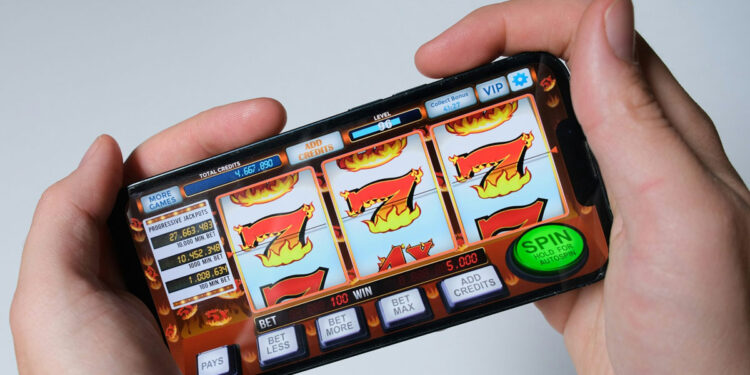
Mobile play that works as well as the desktop version, since most sessions now start on a phone in a queue or a taxi home
None of that shows up in a banner ad. It shows up after twenty minutes of actually using a site, which is exactly why proper comparison takes longer than clicking the first result, and why the ones that reward a closer look tend to be the ones that were never trying to hide anything from it.
That kind of patience is second nature to anyone who has already learned to wait for the good table rather than take the first one offered, or who has sat through the interval at the Crucible rather than leave before the second act. Yorkshire’s evening economy runs on people who know the difference between fine and worth the trip, and that judgement travels well from a Leeds dining room to a phone screen later the same night. It’s the same reader who, a fortnight ago, might have been comparing Dishoom’s Leeds branch against the original Manchester restaurant over a Negroni, applying exactly the same scrutiny to a menu that this piece is asking them to apply to a games lobby. The tools are different. The standard doesn’t change.