How Community Venues Are Reimagining Outdoor Spaces for All-Weather Events
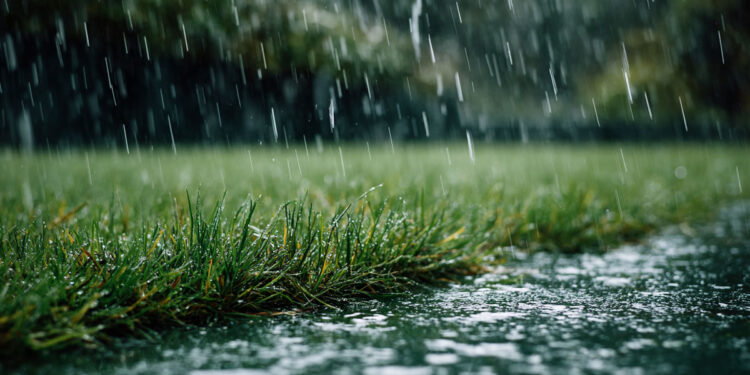
Rain cancels outdoor theatre. Mud forces festivals onto hard standing. Natural grass under heavy foot traffic becomes bare soil within days. Community venues across Yorkshire have been managing this problem for years. More of them are now changing the surface rather than managing around it.
Synthetic turf has moved from sports pitches into courtyards, play areas, and outdoor performance zones. It stays usable. That is the entire case for it.
Why UK Community Venues Are Rethinking Outdoor Event Spaces
A rained-off event is a lost booking, a refund to process and a reputation question. Natural grass needs recovery time after heavy use. Wet conditions extend that window into weeks. Back-to-back programming does not allow for it.
For many venues, the issue is simple. Outdoor spaces need to stay usable between bookings, even after rain. A summer fair, children’s workshop or evening performance cannot depend on the ground drying in time. The surface either supports the programme or starts limiting it.
Waterlogged ground stops people getting to the performance area. It stops wheelchair users entirely. Pushchairs struggle. Older visitors hesitate. Access goes before aesthetics does.
Weather-Resistant Surfaces That Support Year-Round Programming
Composite decking costs more to install and turns slick in wet weather. Permeable paving needs ground levelling and compacted aggregate underneath before a single slab touches the ground. Both add cost and time. Neither solves the underlying problem for a multi-use venue.
Artificial grass is a different proposition entirely. Rain moves through it rather than sitting on top. Stage equipment loads without leaving permanent damage. Festival crowds pass through without turning the surface to mud. Events reconfigure without recovery time. Cleaning needs no specialist products. A brush shifts most debris. Water clears spills.
Urmston Grass sits on the practical side of the conversation: drainage after heavy rain, a steady feel under foot traffic and a finish that still looks presentable after repeated use. Those details matter before a surface goes down.
Why Drainage Matters for Event Spaces
Water sitting on a surface after rain creates two problems. The space becomes difficult to use. Opening it safely becomes harder. Artificial grass with permeable backing moves water down through the surface and into the ground below rather than pooling on top. The space clears faster and stays available for the next booking without a drying-out window in between.
That movement of water also matters for the surrounding environment. With the right base underneath, water moves down into the ground instead of being pushed somewhere else. For Yorkshire venues where rain arrives regularly and in volume, how a surface handles water is the first question to ask, not an afterthought.
Practical Considerations for Multi-Use Outdoor Venues
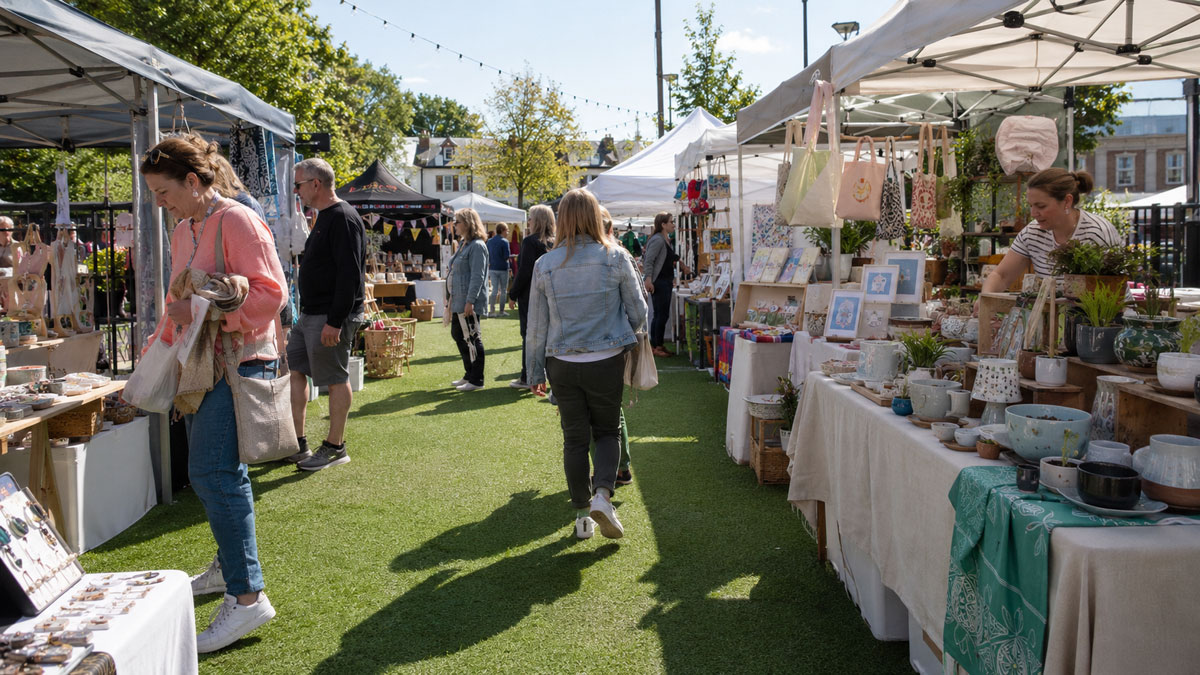
Outdoor cinema one evening. Craft fair the next morning. The demands those two events place on the same piece of ground have nothing in common. Stage equipment concentrates weight. Market stalls spread it. Artificial grass handles the shift when the base underneath is correctly prepared during installation.
A space that hosts a children’s workshop in the morning needs no recovery period before an evening concert begins. That programming flexibility removes the gaps that weather uncertainty usually creates. Fewer cancellation decisions. More events running as planned.
Visitors with mobility requirements notice the difference too. A firm, level surface supports wheelchair access in a way that waterlogged natural turf simply cannot. That matters for visitor experience and for inclusive access.
Measuring and Planning for Irregular Spaces
Community venues rarely work with neat rectangles. Courtyards have fixed obstacles. Performance areas follow the curves of existing buildings. Outdoor gardens meet paths at odd angles. Standard rectangular measurement does not apply to irregular shapes.
Breaking the space into sections and calculating each one separately produces an accurate total. Suppliers cut artificial grass to fit non-standard layouts, which keeps offcuts low and costs tied to the actual area rather than a standard size that wastes material around the edges. Installation for a typical midsized space runs a few days. Scheduling it during a quieter programming period contains the disruption and allows events to resume without a long gap.
Environmental Questions Venues Need to Ask
Environmental concerns around synthetic surfaces have grown over the past few years. Infill materials and their long-term effects are part of the conversation now in ways they were not before. Written product documentation helps venues see what the surface is made from and what happens to it later.
Turf made from single-polymer materials can be reclaimed and recycled at the end of its life rather than going to landfill. That fits with the environmental commitments many arts centres and community venues have made publicly. Yorkshire venues should also check local planning requirements and drainage regulations before installation. Some councils may also ask for permeability details before approving new outdoor surfaces.
For community venues, the point is not to make every outdoor space look perfect. It is to keep the space available. A courtyard, play area, or performance corner that still works after rain gives organisers more flexibility and visitors a better experience. In British weather, that matters.