Why The Right Playlist Can Change How Customers Experience A Venue
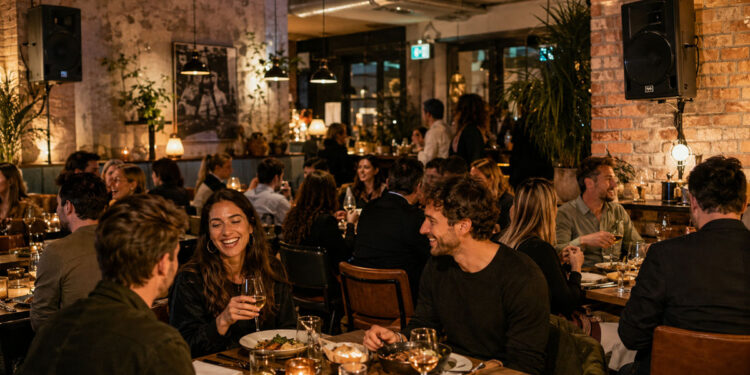
A venue’s atmosphere is shaped by more than its décor. It comes from the lighting, layout, staff, pace of the room and, often more powerfully than many realise, the music playing in the background.
The right playlist can make a venue feel warmer, livelier, calmer or more memorable. The wrong playlist can make a stylish space feel awkward or out of step with what customers expected. People may not remember every track, but they will remember whether the venue felt relaxed, energetic, premium, welcoming or uncomfortable.
Music Sets The Mood Before Anything Else Happens
Before a customer has ordered a drink, browsed a shop, checked into a hotel or sat down for a meal, they have already started forming an impression. Lighting, smell, temperature and sound all tell them what kind of place they have entered.
Music is especially quick at creating that impression. A soft acoustic playlist can make a café feel calm and unhurried. Upbeat soul or disco can give a bar a sociable, weekend feeling. Classic jazz can help a cocktail lounge feel more intimate.
This is where venue atmosphere becomes part of the customer journey. The playlist gives people cues about how to behave, how long to stay and what kind of experience they are about to have.
The Right Playlist Supports The Brand
Every venue has an identity. A neighbourhood restaurant, boutique hotel, independent shop, gym, spa, wine bar and co-working space all need different kinds of energy.
The playlist should support that identity rather than sit awkwardly beside it. A luxury hotel playing harsh, high-tempo pop in the lobby may feel jarring. A lively bar with music that is too slow may feel flat. A wellness space with sudden volume changes can make it harder for customers to relax.
A strong venue playlist should reflect:
- The type of space: A café, restaurant, bar, shop, hotel or leisure venue will each need a different sound.
- The time of day: Morning, lunchtime, early evening and late-night periods often need different levels of energy.
- The desired pace: A playlist can encourage customers to browse, linger, socialise, focus or move through the space.
- The wider brand feel: The sound should match the venue’s design, pricing, service style and personality.
When these elements work together, music becomes part of the brand experience rather than just something playing in the background.
Music Can Change How Long People Stay
Music can affect the pace of a venue. Faster music can make a space feel busier and more energetic. Slower music can encourage people to settle in and take their time. Volume also matters. If music is too quiet, a room can feel flat. If it is too loud, conversation becomes difficult.
This is particularly important in hospitality. A restaurant may want a relaxed lunchtime feel, then a more animated evening mood. A bar may want early-evening warmth before building towards something livelier later on. For restaurants specifically, professional music for restaurants can help operators create different moods across lunch, dinner and late-night service without the playlist feeling random or repetitive.
The best playlists do not stay static all day. They move with the rhythm of the venue and understand that a Monday morning and a Saturday night do not need the same soundtrack.

Background Music Should Feel Intentional
Customers can sense when the sound of a venue has been left to chance. A staff member’s personal playlist, sudden genre changes, repeated songs or adverts between tracks can quickly break the mood. Even if the venue itself is well designed, inconsistent music can make the experience feel less professional.
That does not mean every playlist needs to feel bland. Personality matters. The important thing is that it feels chosen for the space.
Venues that want more control over playlists, scheduling, licensing and brand consistency can use professional music for business to create a more reliable sound across different times of day, locations and customer touchpoints.
This is useful for venues with multiple areas or sites. A hotel bar, restaurant and lobby may all need their own sound, while still feeling connected.
The Details Matter
A good playlist is not only about choosing enjoyable songs. It is about understanding how music behaves in a real space. A track that sounds perfect through headphones may feel too sharp, too busy or too intrusive when played through venue speakers.
There are several practical details that can change how customers experience venue music:
- Volume: Music should be loud enough to create atmosphere, but not so loud that it becomes tiring or intrusive.
- Tempo: The speed of the music should support the natural pace of the venue at that point in the day.
- Genre: The style of music should feel aligned with the venue’s brand, rather than based only on personal taste.
- Transitions: Abrupt shifts between songs or styles can disrupt the atmosphere, especially in calmer spaces.
These details may seem small, but together they shape whether a venue feels comfortable, coherent and enjoyable.
Music Also Affects Staff Energy
The customer experience matters most, but staff are part of the atmosphere too. A playlist that grates over a long shift can affect mood, patience and energy. Music that suits the venue and changes naturally throughout the day can help staff feel more in rhythm with the space.
In restaurants, bars, shops and hotels, staff often carry the emotional tone of the venue. If the music helps the room feel calm, warm or upbeat, it can support the way the team interacts with customers.
A Playlist Can Make A Venue More Memorable
People may visit a venue for practical reasons, but they often return because of how it made them feel. A good drink, meal, treatment, stay or shopping experience becomes stronger when the environment around it feels right.
Music plays a quiet but powerful role in that memory. It can make a hotel lobby feel elegant, a café feel comforting, a bar feel alive or a shop feel more distinctive. Customers may not leave talking about the soundtrack directly, but they are likely to remember the atmosphere it helped create.