Scan, Connect, Convert: How QR Codes Are Reinventing B2B Networking

B2B networking has moved far beyond exchanging names and email addresses. Today, it is about creating seamless, data driven connections that continue after the first interaction. QR codes are a key part of this shift, transforming how businesses share information, track engagement and build relationships.
What was once a simple square pattern is now a powerful tool that links physical and digital experiences.
1. Instant Access Creates Better First Impressions
Speed matters in modern networking. When someone shows interest, the easier it is to share your details, the more likely that connection will stick.
QR codes remove friction. Instead of typing contact details or searching online, a quick scan can open a profile, website or portfolio instantly.
This creates a smoother experience and shows that your business is modern and easy to engage with.
2. From Static Details to Dynamic Information
Traditional contact sharing is limited to basic details. QR codes turn this into something more flexible and engaging.
A single scan can lead to a landing page, a product demo or a tailored introduction. This allows you to present more value from the start.
Because digital content can be updated, your QR code can stay relevant without needing to be replaced.
3. Data Turns Conversations Into Insights
QR codes do more than share information. They also generate useful data. Each scan can reveal when and how people engage with your content.
This turns networking into something measurable. You can identify which events perform best and which materials attract the most attention.
These insights help you refine your approach, making future interactions more effective.
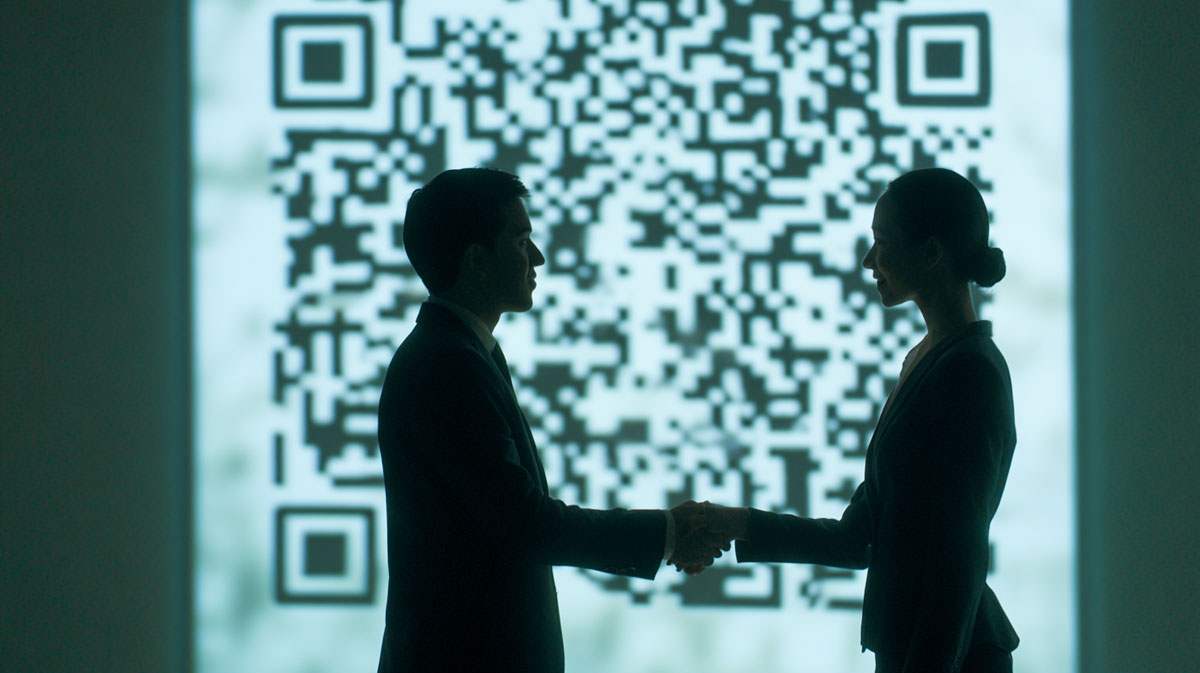
4. Bridging Physical and Digital Touchpoints
QR codes work best when they connect real world interactions with digital follow ups. Whether printed on business cards or event materials, they create a direct link to your online presence.
This is especially valuable in B2B, where relationships often begin face to face but develop digitally. A simple scan helps move the conversation forward without interruption.
If you want to compare digital business card solutions, QR functionality is often central to how effectively they connect offline and online experiences.
5. Making Follow Ups More Effective
Following up is where many networking efforts fall short. People forget conversations or lose contact details.
QR codes reduce this friction. Instead of searching through emails or notes, contacts can quickly return to your information.
This convenience increases the chances of continued engagement and helps turn initial conversations into real opportunities.
6. Keeping Networking Human
While QR codes improve efficiency, the human element remains essential. Technology should support conversations, not replace them.
The most effective approach is to combine genuine interaction with simple digital tools. A strong conversation paired with an easy way to reconnect creates a more memorable experience.
This balance is what defines successful modern networking.
In Conclusion
QR codes are transforming B2B networking by making connections faster, more flexible and easier to track. They turn simple introductions into ongoing digital experiences supported by useful data.
By combining personal interaction with digital convenience, businesses can create networking strategies that are both practical and engaging. When used well, QR codes enhance traditional methods and help every connection go further.










I appreciate the point about keeping networking human. The QR code should be the ‘handshake’ that bridge the gap to a digital relationship, but it’s the conversation that makes that scan happen in the first place.