House of Mirth (2000) – Film Review

Director: Terence Davies
Cast: Gillian Anderson, Dan Aykroyd, Eleanor Bron
Certificate: 12
By Sarah Morgan
“What’s in a name?” asked William Shakespeare. In the case of The House of Mirth, absolutely nothing.
Edith Wharton took the title for her original novel from a line in the Old Testament, which had been used by newspapers reporting an insurance scandal in 1905, the year of its publication, and there isn’t a single moment of joy, fun, happiness or laughs in it. Quite the opposite, in fact.
 Wharton was an excellent author, but she specialised in raw emotion and misery, as you’ll know if you’ve read her books or seen the film adaptations of the likes of The Age of Innocence and Ethan Frome.
“Jockeying for position”
The House of Mirth’s writer-director Terence Davies remains best known for his first two films, Distant Voices, Still Lives, and The Long Day Closes, autobiographical works inspired by his Liverpudlian childhood in the 1940s and 1950s. They were critically acclaimed around the globe, and despite usually enjoying movies with a slower pace, I must admit I find them rather tedious and boring.
They are, however, visually interesting, a quality Davies continued in his next film, 1995’s The Neon Bible, a US-set tale based on John Kennedy Toole’s novel of the same name. It was not as much of a success, but did act as a kind of springboard or natural transition between his earlier personal films and The House of Mirth.
He later claimed he had no idea at the time of casting her that Gillian Anderson was then the biggest female TV star on the planet thanks to The X Files, he simply thought she was the best person to play Lily Bart, an impoverished socialite who relies financially on her Aunt Julia.
Regarded as a beauty, Lily is expected to marry well, but she has feelings for a young lawyer, Selden, whose unimpressive income means he cannot be regarded as a serious suitor. Instead, she sets her hat at Percy Grice, an heir to a fortune, but makes a mess of matters and is rejected.
Later, her decision to turn down the attentions of a friend’s creepy husband ends in disaster, both financially and personally, forcing Lily to take very drastic action to evade her fate.
Davies himself called the wealthy New Yorkers who at first embrace then reject Lily as a ‘nest of vipers’ and he’s absolutely spot on. They care not one jot for anyone but themselves; they are constantly jockeying for position, and stabbing anyone in the back who gets in their way.

“Nasty piece of work”
Lily is not without flaws, but due to women’s position in society at that time, she is not equipped to deal with their merciless treatment of her, or life without outside financial support. She also has her own moral code that means that even when help is offered, she feels she cannot take it.
The House of Mirth is a fascinating character study and, for me, Davies’ best film, full of wonderful performances, including from Anderson. More than able support is delivered by Eric Stoltz as Selden; Laura Linney, Anthony LaPaglia and Eleanor Born also appear, while Pearce Quigley, who is now best known for his role as Russell in Detectorists, pops up too. However, perhaps the biggest revelation is Dan Aykroyd; we’re used to seeing him in affable comedy roles, but here he plays a nasty piece of work whose actions will eventually ruin Lily’s life.
Special features include a number of archive interviews and some fascinating deleted scenes.
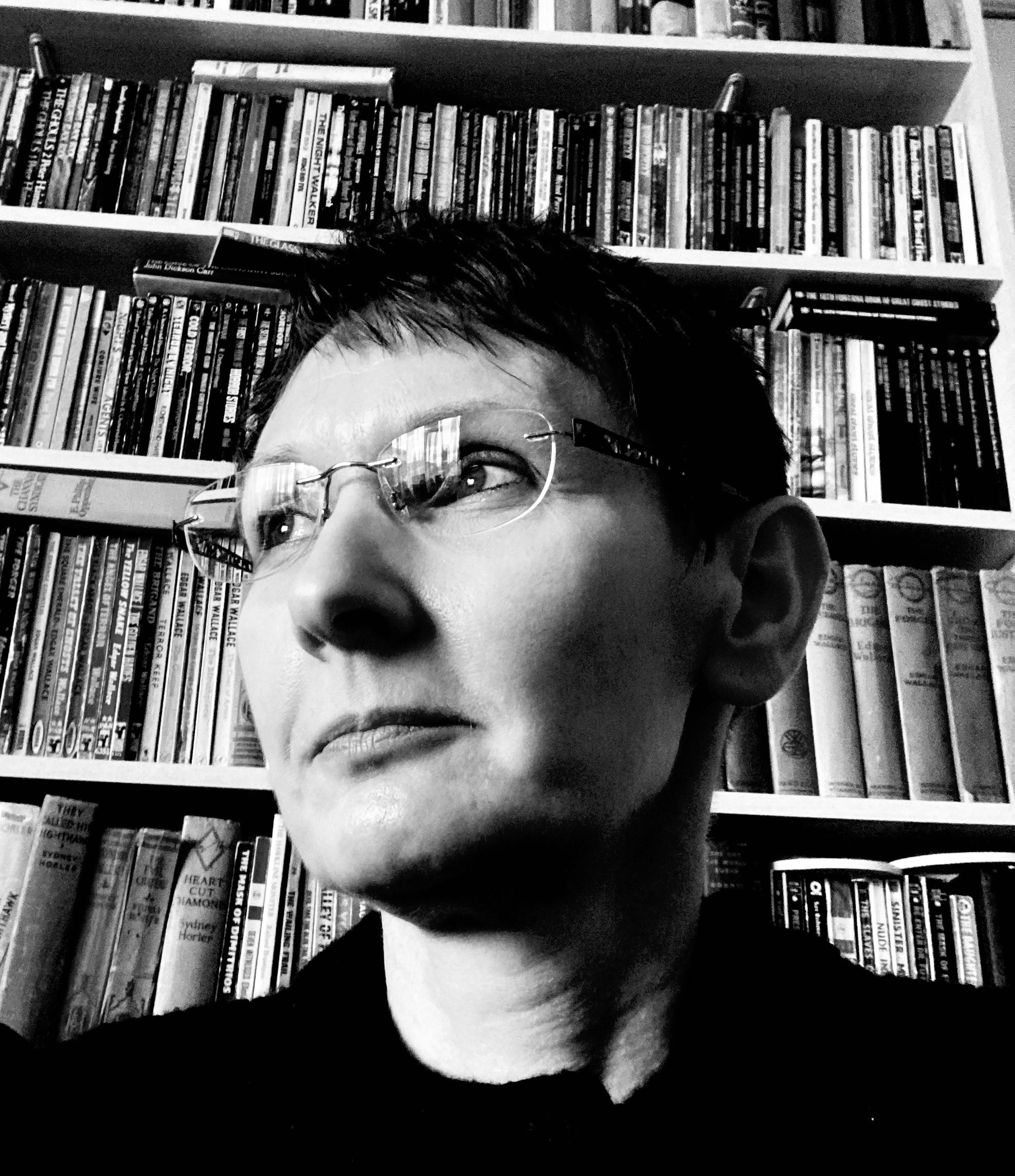
Sarah Morgan studied film journalism at post-graduate level with the BFI and has been writing about TV and film for PA Media’s newspaper, magazine and new media customers since 1996. She’s also written for a wide range of other publications, both online and in print, including the book Offbeat and Intermission magazine, and is a regular contributor to the Talking Pictures TV podcast. When she isn’t watching movies, she’s collecting and reading vintage crime and horror paperback books or, for her sins, watching her beloved Sheffield Wednesday.
The House of Mirth – Frequently Asked Questions
What is The House of Mirth?
Terence Davies’ 2000 adaptation of Edith Wharton’s 1905 novel – a tragic love story about Lily Bart, a penniless New York socialite negotiating money, marriage and morality in high society.
Who is in it?
Gillian Anderson as Lily Bart, with Eric Stoltz, Laura Linney, Dan Aykroyd, Anthony LaPaglia, Jodhi May and Elizabeth McGovern.
Who wrote and directed it?
Written and directed by Terence Davies.
Why is the title “misleading”?
It comes from an Old Testament phrase used in 1905 newspaper coverage of an insurance scandal – the film itself is sombre and ruthlessly unsentimental rather than mirthful.
What is the story about?
Lily Bart is expected to marry wealth, but her feelings for the less affluent Lawrence Selden, coupled with predatory suitors and social hypocrisy, trigger her downfall.
How is Gillian Anderson’s performance?
Acclaimed – she won Best Actress at the British Independent Film Awards for a nuanced, devastating portrayal of Lily.
What makes Davies’ version distinctive?
Meticulous period visual style – painterly interiors, controlled pacing and needle-sharp observation of social cruelty.
Where was it filmed?
Key interiors at Gosford House and Manderston House in Scotland – standing in for Gilded Age New York settings.
What music is used?
A classical palette that includes Mozart, Haydn, Marcello and Borodin – heightening the film’s elegance and melancholy.
How was it received?
Critically praised for performances and direction – widely regarded as one of Davies’ finest films.
What is new about the 2025 releases?
A UK and Ireland cinema re-release from 24 October 2025, followed by a BFI Blu-ray on 24 November with a new 2K scan, plus BFI Player streaming in the New Year. Special features include archive interviews and deleted scenes.
Is it faithful to Wharton?
Yes – it preserves the novel’s beady-eyed take on status, gender and power, and Lily’s tragic arc.
Extras:
- Language(s): English
- Interactive menu
- Booklet
- Bonus footage
- Commentary: Marc David Jacobs; Terence Davies (director)
- Deleted scenes
- Documentaries: Promotional featurette; ‘The House of Mirth: On Location’ (2000)
- Interviews: Cast and crew
- Trailers
House of Mirth is released on Blu-ray by the BFI