The Original Las Vegas: Five Historic Casinos Still Worth Visiting
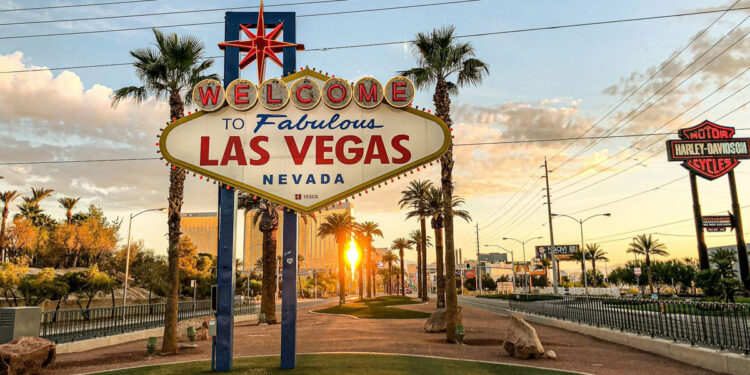
Las Vegas has a habit of eating its own history. Since the late 1980s, the city has demolished most of its classic resort corridor to make way for the megaresorts that define the Strip today. The Tropicana fell in 2024. The Dunes, the Sands, the Desert Inn — all gone. What remains of the old Las Vegas is a short list, and it is getting shorter.
For anyone planning a trip to Sin City, the historic properties still standing offer something the modern resorts simply cannot replicate: genuine stories. These are places where the architecture of American organised crime, Cold War entertainment and frontier gambling culture left a physical mark. WhichBingo, home of the best casino sites for UK players, has identified the five classic Las Vegas casinos that are still open and worth your time.
The Fremont, Downtown Las Vegas
First opened in 1956, the Fremont sits at the heart of Glitter Gulch in downtown Las Vegas and tops the list of surviving classic casinos. For years it was one of the most mob-connected properties in the city, with casino revenue allegedly skimmed and carried by courier to gangster Meyer Lansky in South Florida. On a considerably lighter note, it is also where a fifteen-year-old Wayne Newton first performed, long before he became Mr Las Vegas. Today the Fremont is operated by publicly traded Boyd Gaming and houses a FanDuel sportsbook, but the bones of the original building remain.
Binion’s Gambling Hall
No longer owned by the Binion family, this downtown property carries one of the most colourful histories in the city. Texan Benny Binion ran the Horseshoe Casino here for decades, and it served as the home of the World Series of Poker for much of its modern history. The casino attracted a particular kind of clientele. According to Las Vegas author Jack Sheehan, Charles Harrelson — father of actor Woody Harrelson and later convicted of killing a federal judge — once distributed business cards inside Binion’s identifying himself as a professional hitman. Harrelson died in prison in 2007. The casino, rather more peacefully, carries on.
El Cortez
The El Cortez opened in 1941, making it one of the oldest continuously operating casinos in Las Vegas. It was briefly owned by Benjamin “Bugsy” Siegel and associates before Siegel redirected his attention south to a desert highway and a new project called the Flamingo. The building that Siegel walked through is still there, with original construction intact — a genuine rarity in a city that has demolished most of its pre-1990s architecture. Few places on the Strip or downtown can make that claim, which alone makes it worth the detour.
Circus Circus
Opened in 1968, Circus Circus arrived during a different era of Las Vegas — one where casino owners were still experimenting with what a resort could be. The property featured circus acts performed above the gaming floor, a concept that has somehow survived to the present day. Its history is less romantic than its neighbours: the resort was tied to the Kansas City Mob, and a gift shop on the adjacent Slots-A-Fun property was once operated by Tony “The Ant” Spilotro of the Chicago Outfit. Joe Pesci played a character based on Spilotro in Martin Scorsese’s 1995 film Casino. The resort is currently listed for sale, which makes this a potentially limited window to visit a property that defined a particular era of the Strip.
Caesars Palace
When Caesars Palace opened in 1966, the guest list for its grand opening included Jimmy Hoffa, the Teamsters leader whose union financing helped build it and several other Las Vegas resorts. In the decades that followed, the property hosted major boxing matches in an outdoor ring, and in 1967 daredevil Evel Knievel crashed his motorcycle attempting to jump its fountains — an event so watched it became part of American cultural memory. An episode of The Sopranos was later filmed partially on site. Despite all of that history, according to Visit Las Vegas, Caesars Palace remains one of the most visited properties on the Strip, drawing millions of visitors every year who may have no idea what happened in the same building decades before.
What Remains
The demolition of legacy casinos accelerated after Steve Wynn opened the Mirage in 1989, triggering a wave of megaresort construction that replaced most of the Mob-era properties with the glass and light shows the Strip is known for today. What survives tells the story of how Las Vegas actually became Las Vegas, which is considerably stranger and more compelling than the polished version the modern resorts would prefer you to imagine. The five casinos above are open around the clock. The history is free. And if you’re already planning a broader trip that combines big experiences with genuine character, our review of the Norwegian Aqua cruise is worth a read alongside it.