Grand Hotels or Pocket Suites? Is High-Stakes Heritage Facing a High-Speed Future?
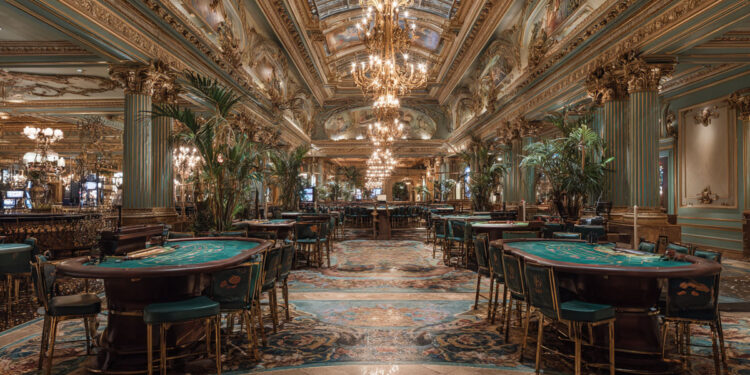
There are at least two ways to spend an evening in pursuit of the same thrill.
The first begins with the ritual. A jacket pulled on almost without thinking. The slow walk through a hotel lobby that seems designed to make time move differently. Carpet soft underfoot, glass catching the low light, a murmur of conversation rising from the bar. Maybe it is a room with the polished confidence of somewhere like Malmaison Manchester, where the setting itself already tells you the night is meant to feel like an occasion.
The second begins at home. An armchair instead of a lobby. Headphones instead of a crowd. A screen that loads instantly and asks for nothing except attention. No waiting, no dress code, no ceremony beyond the small rituals you create for yourself.
Both evenings promise the same thing in different forms: tension, release, possibility. The real question is not which one is better in the abstract. It is which one actually tickles your fancy when the sun goes down.
The theatre of the cabinet
The heritage side of gaming still has a kind of magic that digital platforms have never tried to erase. A physical gaming floor offers atmosphere as a service. You do not simply arrive to play. You arrive to be placed inside a mood.
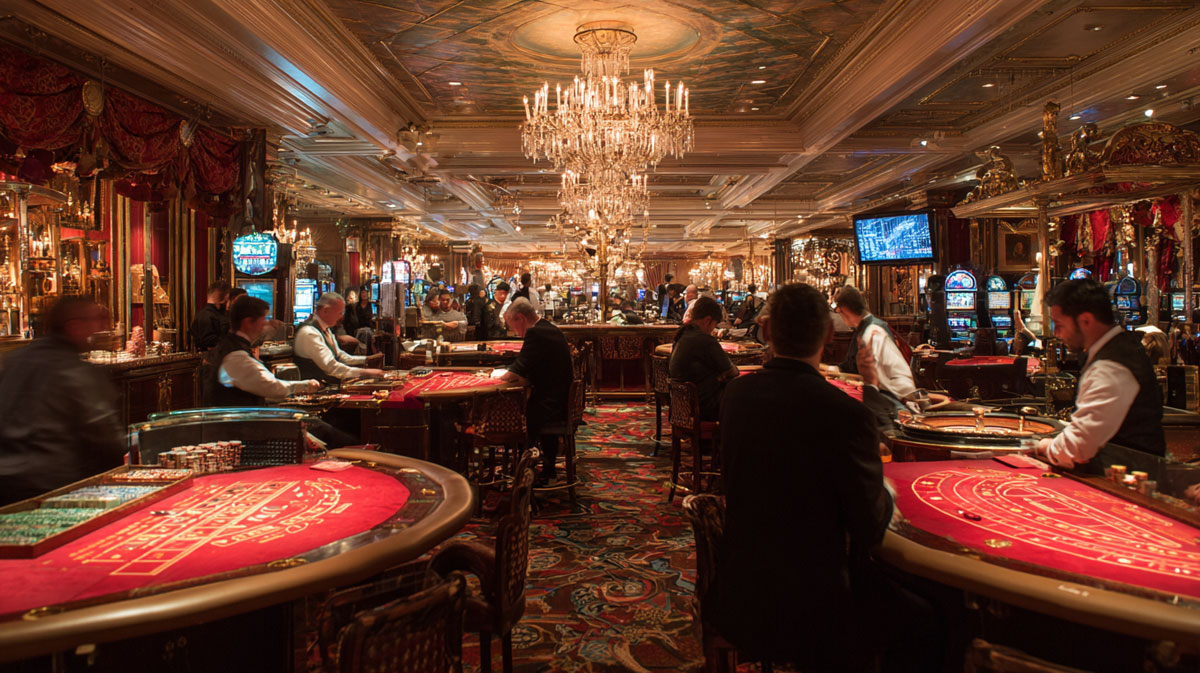
That is why old-school casino venues still matter. They understand that leisure is not only about the game itself. It is about everything around it: the walk to the table, the tactile weight of chips, the click and resistance of physical controls, the mechanical hum of a cabinet that feels like it has a body. In places such as Napoleons Casino Leeds, the appeal is not only the game but the sense of occasion built into the room.
The cabinet, in this sense, is theatre. It creates presence. It asks you to participate physically. Even the small gestures matter more there. A button press has texture. A pause feels shared. A win or a loss lands in a social space rather than a private one.
For many people, that remains irreplaceable.
The finesse of the screen
And yet the digital experience has matured into something far more sophisticated than a simple substitute.
The new guard is not trying to imitate a casino floor in miniature. It is building a different kind of luxury. Here, the pleasure comes from fidelity rather than atmosphere. A smooth interface. High-definition artwork. 3D soundscapes that feel intimate rather than loud. Motion that is cinematic without becoming cluttered. The player is not surrounded by theatre. The screen becomes the theatre.
That changes the sensory balance completely. The physical room offers social energy and tactile drama. The digital suite offers precision. It gives you privacy, speed, and a level of technical polish that can feel every bit as premium in its own way.
This is why the old argument that digital play is somehow a lesser version of the real thing feels outdated now. The best digital products are not thin copies. They are high-performance environments built around responsiveness, clarity, and immersion.
Curated floors or infinite libraries?
This is where the divide becomes practical as much as emotional.
A physical floor is curated. That is part of its charm. It has provenance. The machines have been chosen for a reason. The room has limits, and those limits give the evening shape. You are inside someone else’s vision of what a great night should feel like.
A digital suite, by contrast, is an endless gallery. The architectural variety found within online casino games today speaks to a different appetite altogether – one for range and technical fluidity. For some players, the draw is not the physical ritual but the sheer diversity of mechanics and visual styles that no building could house under one roof.
That abundance can feel liberating or overwhelming, depending on taste. But it is difficult to deny the technical achievement behind it. A clean digital interface that can support high-fidelity visuals, rich audio, and fast navigation without feeling heavy is not easy to build. When it works, it creates a kind of ease that physical spaces simply cannot match.
Ritual or results?
So what matters most to the avid gamer?
For some, it is still the ritual. The crowd, the room, the sense that the evening has been framed by architecture and atmosphere before the first move is made. Heritage is not only nostalgia. It is a reminder that leisure can be public, tactile, and shared.
For others, the ultimate luxury is convenience delivered without compromise. No travel. No waiting. No background noise you did not choose. Just a smooth, private session where the quality of the experience lives in the screen’s speed, the interface’s restraint, and the sense that everything is exactly where it should be.
Neither instinct is wrong. They simply privilege different pleasures.
The state of play
If there is a clear shift in 2026, it is not that one world has defeated the other. It is that both have become more self-aware.
The grand hotel still offers heritage, mood, and the tactile confidence of the old world. The pocket suite offers precision, privacy, and a future built on high-performance design. Best-in-class experiences now exist in both.
Which one will you choose tonight?