Classic Slots vs Video Slots: What Changed Beyond the Graphics?
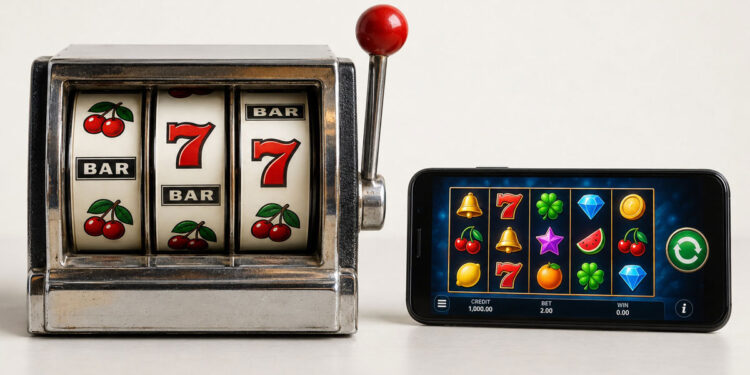
Slot machines have seen dramatic changes over the years, with classic slots and video slots now offering very distinct gameplay experiences. Despite often sharing familiar aesthetics or themes, these two categories differ not just in visuals but in how winning, excitement, and risk are built into every spin. By understanding what truly separates classic slots from video slots, players can make better choices that align with their preferences and expectations.
At first glance, classic slots and video slots might appear as simple evolutions in design, with more vibrant animations and modern interfaces. However, the differences go much deeper, affecting how often you win, the size and pace of payouts, and your overall session strategy. Unpacking the changes between classic slots and video slots reveals a shift in gameplay philosophy that has redefined the player experience across physical and online casinos. Grasping these distinctions can help you enjoy slot sessions with realistic expectations.
The core mechanics: paylines, symbols, and gameplay features
Classic slots are typically based on a straightforward set of three reels and a handful of paylines, sometimes only one, with traditional symbols like fruits, bars, and sevens. The simplicity of classic slots means that most outcomes are determined by matching symbols directly across the paylines, and features such as wilds or bonus rounds are rare or absent. The appeal lies in their predictable gameplay and nostalgic feel.
Video slots, in contrast, boast far more complexity. They commonly offer five or more reels with dozens or even hundreds of paylines. This allows for a wide array of features, including wild symbols, scatter pays, expanding reels, and multiple bonus games. Special animations, bonus rounds, and mini-games bring additional layers to the player experience. These innovations go beyond graphics, giving video slots more strategic depth and varied action, fundamentally altering the rhythm of the game compared to classic slots.
Another crucial mechanical difference lies in how winning combinations are evaluated. Classic slots typically require symbols to line up in strict left-to-right sequences on active paylines, making the outcome immediately recognisable. Video slots have introduced more flexible winning mechanics, including “ways to win” systems where matching symbols anywhere on adjacent reels count as wins, sometimes offering 243, 1024, or even more ways to form winning combinations. Some video slots even feature cluster pays, where groups of matching symbols anywhere on the grid trigger payouts. These varied mechanics fundamentally change how players perceive and anticipate wins, making video slots feel more dynamic and unpredictable compared to the straightforward payline structure of classic machines.
Volatility and session experience: what does it mean for players?
One of the biggest shifts in slot design comes from changes in volatility, the variability in win size and frequency. Classic slots generally offer low to medium volatility, with frequent small wins that keep gameplay steady. This design suits players who prefer prolonged sessions and a balance between wins and losses. For example, when spinning through classic slots vs video slots, you might notice how often smaller wins come on classic machines, making bankroll management more predictable.
Video slots, however, introduce a spectrum of volatility levels. Many modern games are engineered for higher volatility, offering fewer, larger wins interspersed with longer stretches without payouts. This appeals to players chasing substantial jackpots or rare feature triggers but also increases risk. The excitement in video slots often comes from anticipation, waiting for bonus features or free spin rounds, which can take hundreds of spins to activate, creating a swingier, more suspenseful session profile.
Return to player (RTP): theory versus reality across slot types
Return to player (RTP) is a core metric, expressing the percentage of total wagers that a slot returns to players over millions of spins. For instance, a game with an RTP of 96% is expected to return £96 for every £100 wagered, averaged over vast numbers of plays. Both classic slots and video slots may advertise similar RTP figures, suggesting that long-term returns are alike.
In practice, however, the player’s short-term experience will often differ dramatically. While classic slots might deliver results closer to their RTP during typical sessions, video slots, especially high volatility versions, can see actual returns fluctuate more dramatically in the short run. For example, two slots with the same RTP can feel entirely different with one providing steady, modest wins and another offering infrequent but large payouts, especially if it stores much of its RTP value in rare bonus rounds. In other words, RTP is an average, not a guarantee for any single session.
Gameplay evolution: features and engagement in modern slots
Beyond the reels, what sets video slots apart is their array of interactive features. Video slots frequently include bonus events, expanding wilds, and progressive jackpots, all designed to keep players engaged and heighten the sense of occasion. Classic slots tend to keep gameplay linear, focusing on the fundamental spin-and-win mechanic with minimal distraction.
This evolution in game design is about more than just extra bells and whistles. For instance, bonus rounds in video slots concentrate a significant share of potential winnings into rare, high-reward features, amplifying both anticipation and variance. Many online slot games exemplify these innovations by blending animation, storytelling, and advanced maths models to create experiences that classic slots rarely match. Such changes have transformed expectations for what spinning the reels can deliver, making the choice between classic slots vs video slots as much about desired experience as about winning potential.
The wider appetite for immersive, game-like worlds also echoes in pop culture, from slot themes to films that build entire narratives around interactive digital environments. This crossover helps explain why modern video slots increasingly borrow familiar elements from gaming, cinema, and entertainment media, using character-driven themes, cinematic sequences, and layered progression to make each session feel more like an experience than a simple reel spin.
Practical examples and choosing the right slot for your playstyle
When weighing the pros and cons in classic slots vs video slots, practical examples make the differences clear. Suppose a player enjoys frequent wins, smaller stakes, and straightforward sessions, classic slots are likely to satisfy these preferences, offering steady outcomes with few surprises. For instance, a £1 wager across 50 spins may see a bulk of returns hovering close to break-even.
Conversely, if a player seeks bigger adrenaline rushes and is willing to endure longer losing streaks for the chance at a dramatic win, video slots may be more appropriate. Many video slots structure their big prizes through rare bonus rounds or feature triggers, which can result in extreme swings, stringing together many low or zero-pay spins punctuated by major payouts. Ultimately, understanding the structural differences between these slot types allows for more informed choices and a gaming experience that aligns with one’s own preferences and risk tolerance.