How Online Entertainment Is Changing the UK’s Leisure Landscape
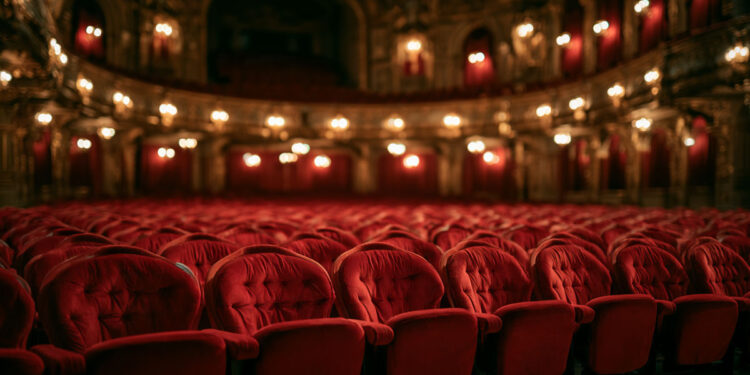
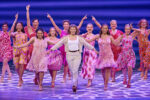
Mamma Mia! went up at 7.30pm prompt on its opening night at the Bradford Alhambra this month, in front of what On: Yorkshire Magazine’s reviewer called a packed auditorium. Kirsty Masterman noticed the range of ages in the stalls before the first ABBA number had even begun.
Tickets cover part of what Yorkshire’s stages put on. Public money covers much of the rest, and a sizeable share of that public money started out as the price of a National Lottery ticket. Bradford’s year as UK City of Culture in 2025 shows how much, because almost half of a £20m funding package it received in 2023 came from lottery players.
Online gambling sends its money somewhere else. Since April 2025, online operators licensed in Britain have owed a statutory levy that can only pay for work on gambling harm, and the lottery that funds the arts is exempt from it. So asking who pays for a Yorkshire stage gets a gambling answer, and it depends on which kind of gambling a pound was spent on.
Lottery players put up almost half of Bradford’s £20m package
Bradford won the title in 2022, beating County Durham, Southampton and Wrexham County Borough, and the government handed it £275,000 of seed money to start planning. The real sums came later.
Bradford Culture Company, the charity that ran the year, announced a £20m funding package on 11 July 2023. The government’s culture department, DCMS, gave £10m. Arts Council England added £5m of National Lottery money, and the National Lottery Heritage Fund another £4.95m, an award its own project record dates to two months earlier. Lottery players had supplied £9.95m of the £19.95m, a shade under half.
The lottery kept paying as the year went on. By the autumn of 2025, the National Lottery’s good-causes site counted £15.6m of lottery funding for organisations making work for the City of Culture, with money arriving through the National Lottery Community Fund and the BFI as well as the arts and heritage bodies. Over the lottery’s 30 years, the same site said, it had put £333m into more than 4,000 good causes spread across all 30 of Bradford’s wards.
Some of what the year’s money bought can be counted. RISE, the opening show in City Park, drew 23,000 people over two nights in January 2025, according to Arts Council England’s annual report. By the closing weekend, Bradford 2025 put its audiences above 3 million across more than 5,000 events, though it called the audience figure an early estimate. Cartwright Hall hosted the Turner Prize and saw its attendance double.
More than 30 cultural organisations in the district got capital money for their buildings. At Ilkley Playhouse it paid for a lift to improve access. The Peace Museum used it to move to better premises, and Bradford 2025 said visitor numbers went from 3,000 a year to over 50,000 since the move.
About 4.6p of each ticket pound is set aside for the arts
Each ticket sends only a few pence towards a stage. According to DCMS, about 23p of each pound spent on a National Lottery ticket goes to good causes, and 12p goes to the Exchequer as Lottery Duty. It gave those figures when it launched a review of the money, working from 2025 sales of more than £8bn and good-cause money of at least £1.7bn. Since the first draw in 1994, it added, players have generated more than £53bn for good causes.
Legislation then splits the good-cause money four ways. Arts and culture get 20%, shared between Arts Council England, the BFI, Creative Scotland, the Arts Council of Wales and the Arts Council of Northern Ireland. Sport and heritage get 20% each, and community causes take the other two fifths. Twenty per cent of 23p is about 4.6p, so a two-pound ticket sends a little over 9p to the arts across the whole UK.
Those percentages are now open to question. The government’s call for evidence, “National Lottery Good Causes: Fund What Matters to You”, ran from 1 July until midday on 23 September 2026, and DCMS called it the public’s first chance in more than twenty years to say where the money should go. The last major review was Tessa Jowell’s in 2002-2003. Lisa Nandy, the Culture Secretary, said decisions were being made “hundreds of miles from communities” and tended to favour larger organisations.
Whether the arts keep their fifth is unknown. The call’s gov.uk page still shows no published response and gives no date for one. The pot itself may grow, since the lottery’s operator has said it wants to double good-cause income from £30m a week to £60m by the end of its licence, so the arts’ pence per pound and their total don’t have to move together.
Yorkshire’s arts funders get nothing from the online levy
Online casino play pays in through a different door. It’s a paid product, open only to people aged 18 or over, and the UK licences that sites hold cover customers in Great Britain only. What an operator keeps is its gross gambling yield, which the Gambling Commission’s guidance calculates as the stakes taken, plus other gambling income, minus the winnings paid out. In plain terms, it’s what players lose.
Online operators pay the statutory levy at 1.1% of the previous year’s gross gambling yield, due once a year. The government’s levy page, first published late in 2025, says the levy raised just under £120m in that first year, ring-fenced solely for research, prevention and treatment of gambling-related harm. The same page says the National Lottery is exempt because it “operates under its own legal framework” and already raises money for good causes.
Half of the levy goes to treatment, and since 1 April 2026 NHS England has commissioned gambling treatment in England with that money. Yorkshire’s NHS work in this field goes back to 2019, when the NHS Northern Gambling Service opened its first base in Leeds, the first NHS gambling service of its kind outside London.
At its launch, NHS England and the charity GambleAware shared the cost of the new service, about £1m a year. That was in the years of voluntary industry contributions, the system the statutory levy has since replaced. The rest of the levy is split between prevention, with 30% through OHID, the government office that leads on prevention in England, and research, with 20% led by UK Research and Innovation.
Readers of gambling.com’s responsible-gambling advice, printed with its best casino online sites in uk comparison, get the yield behind that levy as a warning to expect to spend money over time. Put that line beside the levy rate and the arithmetic is short. For every £1,000 players lose to online operators in a year, £11 goes to the levy the following year, and nothing in the rules sends any of the remaining £989 to a theatre.
Each game’s rules give the operator a built-in margin. The return percentage shown in a game’s information is worked out across a huge run of play, and a single session can land a long way from it in either direction. Registering with GamStop costs nothing, and it shuts a person out of every online gambling site the Commission licenses for a period they choose. Help is open day and night on 0808 8020 133, GamCare’s National Gambling Helpline.
The Arts Council’s portfolio runs almost entirely on government grant
Inside Arts Council England, the lottery money and the government money do different jobs. In 2024/25 its share of the National Lottery Distribution Fund came to £250m, while DCMS gave it £578m of grant-in-aid. Its National Portfolio, the regular grants to nearly 1,000 organisations, cost £350m that year, and £342m of that was government money, according to the Arts Council’s annual accounts. The same report says the portfolio generated £2bn of income in its first year.
The biggest single slice of the lottery money goes out as project grants, £113m in 2024/25, which individuals and organisations can apply for at any time. More goes on one-off pushes such as Bradford’s £5m. Mike Kenny’s stage version of an E. Nesbit novel, played along the Keighley & Worth Valley Railway in summer 2025 to more than 30,000 people, belongs to the lottery-funded side, and the lottery’s good-causes site credits it to Arts Council England’s help. So a cut to the arts share would probably fall hardest on projects like that one.
Northern Ballet sits on the other side. The Leeds company said in 2022 that it would get £3,289,261 a year from the portfolio for the three years from 2023, and the Arts Council has since extended that portfolio to 2028.
In early September the company brought Gentleman Jack to the Alhambra, the first full-length commission of its artistic director, Federico Bonelli, with Sally Wainwright as creative consultant. Its workshop has drawn government money too. This year the Creative Foundations Fund, which the Arts Council runs for DCMS, put money towards replacing a failing roof on the company’s production workshop in Bramley.
Yorkshire’s next arts money will be decided in 2027
Three answers are still to come, and Bradford’s own accounting arrives first. The Bradford 2025 evaluation team has promised a Final Evaluation Report at the end of 2026, with fuller evidence on what the year did for residents, artists, places and partnerships, after an interim report whose data it called provisional. Bradford Culture Company, meanwhile, will keep working into 2027, as the leader of Bradford Council, Susan Hinchcliffe, said when the culture year closed.
The second, the government’s answer to its lottery call for evidence, has no date yet, and it will land on the 12 distributor bodies that hand out lottery money, Arts Council England among them. The levy’s treatment money is changing hands as well, because NHS England expects integrated care boards to commission treatment for services provided after 1 April 2027.
The third has a timetable. Applications for the Arts Council’s 2028-33 National Portfolio opened last month and close on 15 December. Decisions are due in July 2027, and the Yorkshire companies that apply will find out then what their regular grant looks like from 2028.