Are Radio Stations Cashing In On The Gaming Craze?
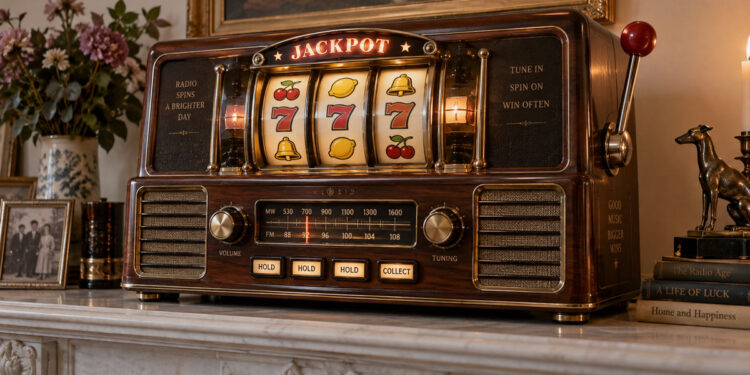
Radio has always found a way to keep its listeners engaged, and now it looks like it’s using the same skill in relation to the rise of online gaming. Across the UK, stations are now exploring tie-ins with casino brands, using long-standing listener trust to introduce audiences to a different kind of entertainment altogether. The question is whether this is genuine innovation or simply a new revenue stream.
It’s not too difficult to see why the two industries have managed to find common ground. Both are built around holding attention and keeping people entertained for as long as possible. Stations have leaned on this by sponsoring competitions from successful online casinos, running live broadcasts from gaming venues, and even producing detailed shows about strategy and industry insight. For listeners already primed to trust a familiar voice live on air, hearing a host talk about all these things carries weight.
Live Broadcasts Bring Customers Closer
Live broadcasting plays a particularly useful role in all of this. Some stations run segments straight from the casino floors, letting audiences listen in on the atmosphere rather than just being told about it. Competitions built around free credits or event tickets also perform well, tapping into the same sense of anticipation that gambling itself heavily relies on. It’s a formula that keeps listeners engaged while giving casino brands a route to audiences who might otherwise just scroll on past a digital advert.
The Power Of The Presenter
Presenters have quietly established themselves as part of the appeal. A host who might mention their own experience at the tables or conduct interviews with well-known industry figures tends to land with more credibility than a scripted commercial break. That trust runs both ways too, with casino sponsors often backing charity events or conventions that a station covers, deepening the relationship well beyond a simple advertising slot.
The White Label Appeal To Stations
Behind many of these partnerships sits a model known as white label gaming. Rather than building a licensed casino platform from scratch, a station partners with an operator who already holds the necessary licence and handles the regulation side of things, including identity checks and safer-gambling tools. The station supplies the branding and the audience relationship while the operator provides the technology and compliance.
This arrangement suits radio down to the ground. Building a gambling platform independently would mean navigating licensing, payment systems and round-the-clock support, none of which sits naturally within a broadcaster’s usual skill set. A white label deal removes most of that complexity, letting a station focus on what it does best, which is creating content and building a community.
A Sensible Way To Diversify
Advertising income has never been predictable, and younger audiences increasingly expect brands they follow to exist beyond a single platform. Gaming partnerships offer stations a way to diversify their revenue, rather than keeping it tied to the same buying cycles as traditional airtime sales, while also generating useful insight into what actually gets listeners to act.
Conclusion
The reality is that radio stations are now looking to cash in on the gaming craze. But it looks like it’s natural evolution rather than opportunism. By pairing pre-established trust with ready-made gaming platforms, radio stations are finding a sensible, genuinely low-risk way to stay commercially relevant in an ever-changing media landscape.