How to Make Sure Your Home is Safe: A Guide For Homeowners
Your home should be a place where you feel completely safe, allowing you to relax and focus on everyday life without unnecessary worry. While many people prioritise décor and maintenance, safety is just as important and should never be overlooked.
Taking a proactive approach can help reduce the risk of break-ins, accidents, and hidden hazards that may develop over time. Even small improvements can have a lasting impact when it comes to protecting your property and loved ones.
In this guide, we outline practical and effective ways to improve your home’s safety and create a more secure living environment.
Secure Entry Points to Prevent Break-Ins
Doors and windows are the most common access points for intruders, so making sure they are secure should always be a top priority. Weak locks or damaged frames can make your home an easy target, especially if issues are left unresolved for long periods of time.
Ways to improve entry point security:
● Install high-quality locks on all external doors
● Fit window locks, especially on ground-floor windows
● Reinforce door frames and hinges
● Check that all locks and handles work smoothly
If you notice loose frames, damaged seals, or locks that don’t close properly, investing in professional window and door repairs can significantly improve both security and insulation, helping your home stay protected all year round.
Install a Reliable Home Alarm System
A reliable alarm system is one of the most effective deterrents against potential intruders. Not only does it provide an early warning, but visible alarm systems can often stop a break-in before it even happens. Modern systems also offer remote monitoring, giving homeowners more control and awareness.
What to consider when choosing a system:
● Motion sensors for key areas
● Door and window contact sensors
● Smartphone monitoring access
● Backup power options in case of outages
Regular testing and maintenance are essential to ensure your alarm system works properly when it is needed most, giving you peace of mind at all times.
Maintain Electrical and Gas Systems
Electrical faults and gas issues can often go unnoticed until they become serious problems. Regular maintenance and inspections are key to identifying risks early and preventing potentially dangerous situations.
What to check regularly:
● Annual boiler servicing
● Checking for exposed or frayed wiring
● Installing carbon monoxide detectors
● Replacing damaged extension leads
Keeping these systems in good condition not only improves safety but also helps maintain the efficiency and long-term value of your home.
Improve Outdoor Lighting and Visibility
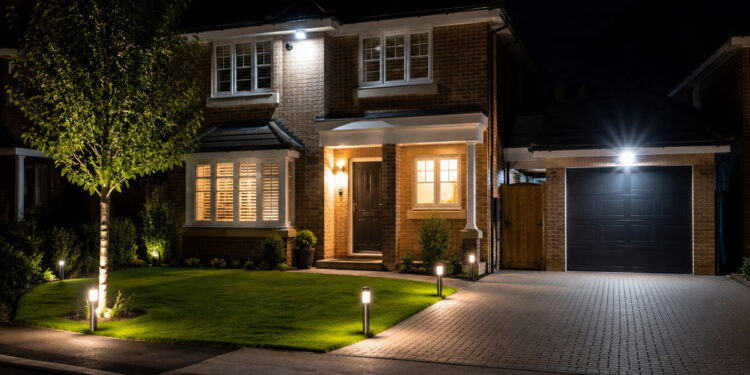
The outside of your home plays a major role in overall security. A well-lit and visible property is far less appealing to intruders, as it increases the likelihood of being seen. Simple changes can make a noticeable difference in how secure your home feels.
Ways to enhance outdoor security:
● Install motion-sensor lighting near entrances
● Add driveway and pathway lighting
● Secure gates and fences
● Trim hedges and bushes blocking windows or doors
A bright, well-maintained exterior signals that your home is actively protected.
Fire Safety Tips Every Homeowner Should Follow
Fire safety is just as important as protecting your home from intruders. Fires can develop quickly, so having preventative measures in place can make a significant difference in reducing damage and ensuring everyone’s safety.
5 essential fire safety checks:
● Install smoke alarms on every level of your home
● Test smoke alarms monthly
● Keep fire extinguishers in accessible areas
● Avoid overloading electrical sockets
● Create a simple emergency exit plan
Taking the time to review these basics can greatly improve your response in an emergency and help protect both your home and the people inside it.
Make Home Safety a Priority
Making sure your home is safe does not require extreme or expensive changes, but it does require consistency and awareness. Small improvements, when carried out regularly, can have a significant impact on reducing risks and improving overall security.
If you focus on key areas such as entry points, alarm systems, fire safety, and maintenance, you create a safer environment for everyone in your household. Over time, these actions help prevent avoidable issues and give you greater confidence in your home’s protection.
At the end of the day, making safety a priority just means you can relax more, knowing your home is a secure and comfortable place for you and your family.