Why Cordless Hedge Trimmers Make Garden Maintenance Easier
A well-kept hedge brings structure to a garden throughout the year. It can screen a seating area, frame a path and soften a boundary that would otherwise be all fencing. Yet cutting a long hedge is a job many homeowners put off, especially when they need to organise cables, fuel or several sets of hand shears. Cordless equipment offers another option, provided the tool and timing suit the task.
Why regular, modest trimming helps
Hedges often respond better to a planned routine than an occasional dramatic cut. The ideal frequency depends on the species and how quickly it grows: a formal privet hedge may need a different approach from a mature beech or a conifer boundary. A little careful shaping can prevent branches from extending over paths and reduce the temptation to remove too much growth at once. The aim is to maintain the plant, not force it into a shape it cannot sustain.
Where battery power is useful
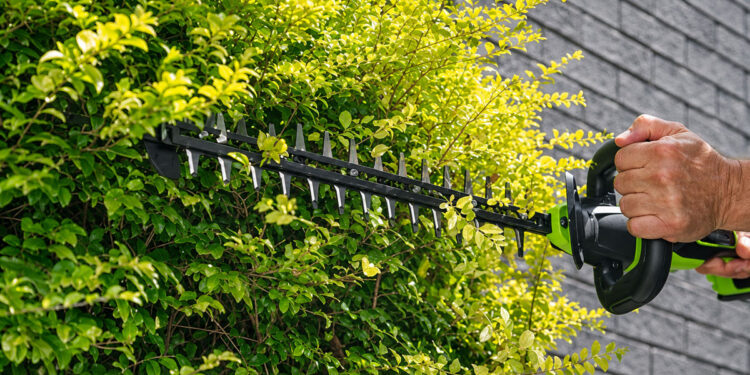
For an accessible hedge of moderate length, a cordless hedge trimmer avoids a mains cable running across lawns and paving. There is no petrol to mix or store, and getting equipment out can be relatively straightforward. Homeowners comparing cordless hedge trimmers should still assess machine weight, balance and battery requirements. A tool that feels manageable for a brief demonstration might be tiring during a long session, so comfort and control matter as much as convenience. A battery hedge trimmer can make routine hedge maintenance more manageable when its cutting capacity and weight suit the job.
Choose the right blade and cutting capacity
Longer blades can help cover a broad face of hedge, but they may be harder to manoeuvre in a tight space. A shorter blade may give more control around corners and shaped sections. Check the manufacturer’s rated cutting capacity before approaching thicker stems; a hedge trimmer is not a substitute for a suitable pruning saw or professional work. Battery runtime depends on the model and workload, so a fixed number of minutes should never be assumed.
Timing depends on plants and wildlife
Many hedges provide nesting habitat for birds. Inspect carefully before every cut, including outside the main spring and summer nesting period, because active wild bird nests are protected. Postpone work that may disturb a nest. The correct pruning season also depends on the hedge species, whether it flowers and how it responds to cutting. Where uncertain, use reliable species-specific guidance rather than a single rule for every boundary.
Work safely around the garden
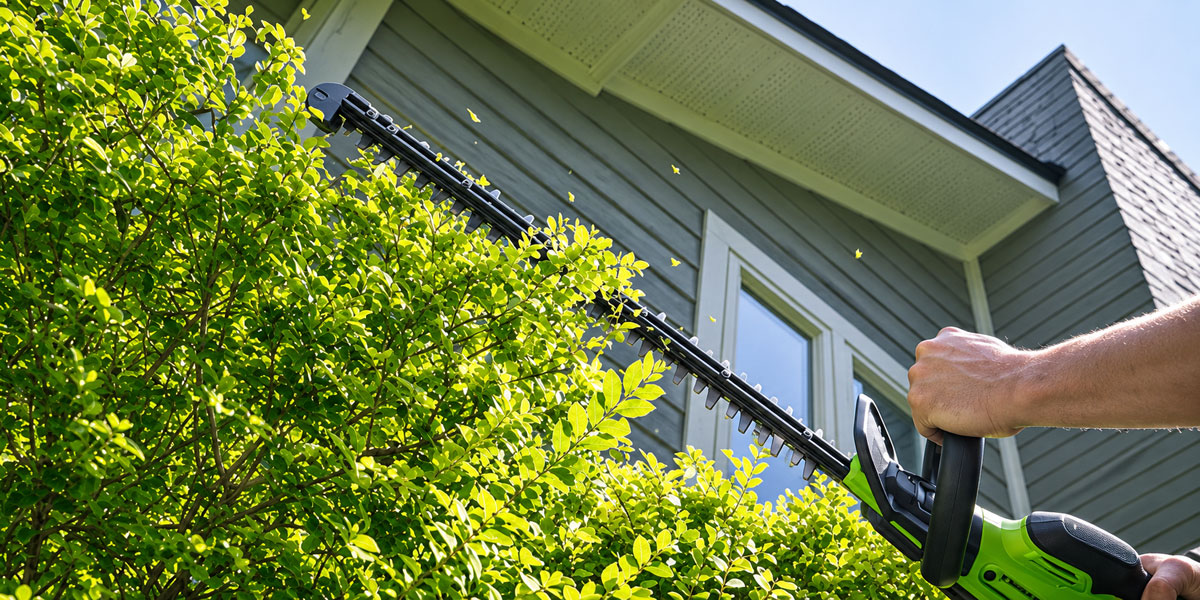
Clear obstacles and keep children, pets and bystanders away before starting. Wear appropriate eye protection, gloves and footwear, keep both hands on the handles as instructed and maintain a stable position. Never reach dangerously above shoulder height or balance on an unstable ladder. If the blade jams, switch off and isolate the power source in accordance with the manual before clearing it. High or difficult hedges are a sensible job for a competent contractor.
Shape the hedge with care
For many formal hedges, a base slightly wider than the top helps light reach the lower branches. A string line can help maintain an even finish along a long boundary. Take small amounts off, step back periodically and check the overall shape before removing more. Clear clippings from paths and sensitive planting once the work is finished.
Keep ownership straightforward
Wipe down equipment and maintain blades according to the manufacturer’s instructions. Store the tool securely and charge batteries only in suitable conditions. If you use other cordless garden equipment, check exact battery-platform compatibility before assuming one pack will work across the range.
The convenience is in a sensible routine
Cordless power can remove the inconvenience of a trailing lead and petrol handling, but good hedge care still starts with timing, safe technique and appropriate equipment. With those foundations, maintaining a neat garden boundary can become a manageable seasonal task rather than a daunting project.