Dining chairs: subtle detail or bold aesthetic statement?
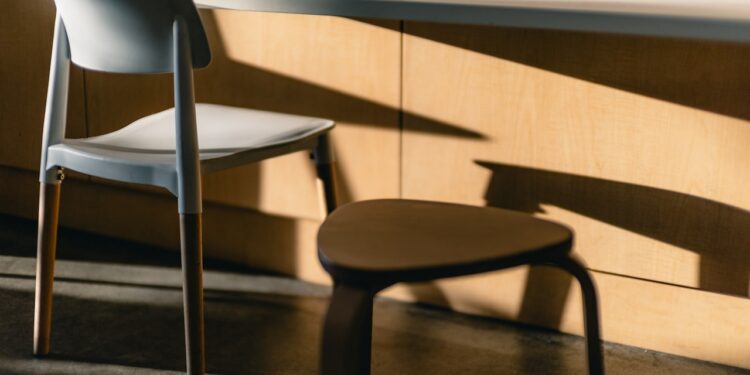
A dining chair rarely gets top billing, yet it shapes the mood of a room as surely as the table does. In open-plan homes, where kitchens, dining areas and living spaces blur together, that choice matters more than ever. What once served a purely practical role now helps define how a home feels, how it flows and, ultimately, how confidently it expresses the people living in it.
The quiet power of a chair
It is easy to underestimate the dining chair because it arrives as part of a set, almost as a supporting actor. In reality, it sits at eye level, frames the table and draws attention every time guests take their seats. Its silhouette, material and finish can soften a scheme, sharpen it or pull the whole room in a new direction.
That is why designers increasingly treat chairs as more than functional companions to a dining table. A curved back can introduce warmth into a minimalist interior, while angular lines can lend discipline to a softer, more rustic space. Even the legs matter: slender metal feels lighter and more contemporary, while solid timber brings weight, texture and permanence.
Scale also changes perception. Low-profile chairs can make a compact room feel more spacious, whereas generously upholstered pieces create a sense of comfort and occasion. The chair, in other words, does not merely fill space. It defines it.
Design is now deeply personal
Uniform dining sets once dominated the market because they offered predictability, and predictability felt safe. That instinct has faded. Homeowners now want rooms that feel individual, layered and less showroom-perfect, which helps explain the growing appetite for mixing finishes, shapes and textures around the table.
This shift reflects a broader change in how people view interiors. A dining space is no longer reserved for formal meals and special dates. It has become a workstation, a homework hub, a coffee spot and a social stage, often all in the same day. Furniture therefore has to work harder, and it also has to say something.
Some buyers still lean towards understated designs that blend seamlessly into the architecture. Others want sculptural pieces that catch the eye the moment someone enters the room. Neither approach is more valid; both reveal a preference. For those exploring options, collections that let shoppers buy dining chairs in a range of shapes and finishes show just how wide that spectrum has become.
Comfort can no longer be ignored
Looks may start the conversation, but comfort finishes it. A striking chair that becomes unbearable halfway through dinner will not remain a favourite for long. That practical truth has pushed ergonomics higher up the list of priorities, especially as dining tables now host longer, more varied stretches of daily life.
Seat depth, back support and material choice all influence whether a chair works beyond the first impression. Upholstered seats bring softness and encourage people to linger, while wooden or moulded designs often deliver a cleaner visual line. Armrests add luxury in spacious rooms, yet they can crowd tighter layouts and make a table arrangement feel heavier than intended.
Durability matters too, particularly in family homes where chairs are used constantly and not always gently. Finishes must withstand knocks, stains and repeated movement across floors. The best choices tend to marry resilience with style, rather than treating one as a compromise forced upon the other.
Why balance wins
The most successful dining interiors rarely choose between subtlety and statement in absolute terms. They find the tension between the two. A bold chair can still feel elegant if the palette remains restrained, while a simple design can become memorable through craftsmanship, proportion or material richness.
This is why the smartest buying decisions often begin with the room, not the chair in isolation. Consider the table’s shape, the amount of daylight, the flooring and the way the dining area connects with adjoining spaces. A chair that feels dramatic in a showroom may overwhelm at home, just as a modest design may quietly elevate a room once it sits in context.
Trends will keep changing, as they always do. Yet the core question remains refreshingly straightforward: should a dining chair disappear into the wider scheme, or should it lead it? For many homes, the answer lies somewhere in between.
A choice that shapes the room
A dining chair is never just a place to sit. It influences comfort, sets the visual rhythm of a room and signals whether a space aims to whisper or stand out. The strongest interiors understand that balance, and they use it well, turning everyday seating into one of the smartest design decisions in the home.