The Benefits of Upgrading to a Modern Heating System
One of the most significant home improvements you can do is to replace an outdated boiler with a more modern one. Modern heating systems are more cost-effective over time, work more effectively, and react more intelligently to your usage patterns. Reputable installers, like Smart Gas Solutions, install boilers in accordance with manufacturer specifications, guaranteeing that the entire warranty period is activated right away. There is a compelling argument to upgrade your boiler if it is older than ten years.
Why Older Systems Fall Short
Boilers that were installed more than ten years ago were constructed according to different specifications. Components wore out more quickly, efficiency ratings were lower, and the technology at the time was just not as advanced as it is now because an older system must work more to provide the same amount of heat, it uses more energy and wears out parts that are getting harder to find.
Beyond the mechanical aspects, older boilers typically lack the controls that make contemporary heating predictable and comfortable. You could have to work around a thermostat that only provides simple on and off scheduling or manually change radiator valves.
What Modern Boilers Do Differently
Condensing technology, which recovers heat from flue gases that older systems merely ejected, is the foundation of modern boiler design. In many models, this method raises efficiency ratings above 90% by drastically reducing the quantity of energy wasted during combustion. In actuality, this means that a greater portion of the fuel you purchase is transformed into heat rather than waste.
Additionally, modern units are small. Many modern boilers fit neatly into a regular kitchen cabinet, freeing up space elsewhere in the house, whereas earlier units would have taken up a big cupboard.
Reduced Energy Bills
Annual heating expenditures can be significantly reduced for homes that convert from an older G-rated system to a more contemporary A-rated counterpart. The precise savings vary depending on your property’s size, level of insulation, and current heating usage, but the trend is always downward.
These yearly savings add up to a return that covers a significant amount of the installation cost over the course of a boiler’s normal ten to fifteen-year lifespan.
Smarter Controls and Greater Comfort
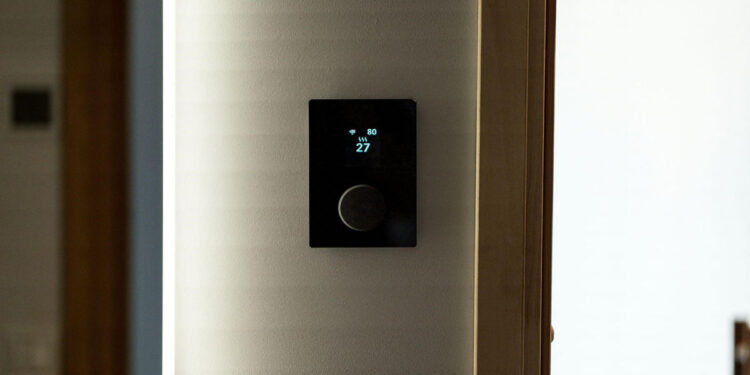
You may configure heating schedules by room and time of day with modern thermostats, which also modify output according to whether or not areas are occupied. In order to keep your home at a constant temperature without overheating, some systems employ weather correction, which modifies the boiler output in relation to the outside temperature.
Because of this accuracy, your heating system only operates when and where it is required, cutting waste without compromising comfort.
Lower Carbon Output
Making the move to a newer system lowers your home’s carbon footprint because modern boilers consume less fuel to generate the same amount of warmth. A boiler upgrade is one of the easiest things a household can do to reduce emissions without requiring structural adjustments.
Reliability and Warranty Cover
The manufacturer’s warranty, which varies from five to ten years depending on the type and installer, is included with a new boiler. This gives you peace of mind that unforeseen repair expenses will be kept to a minimum while the system is getting established in your house.
The Installation Process
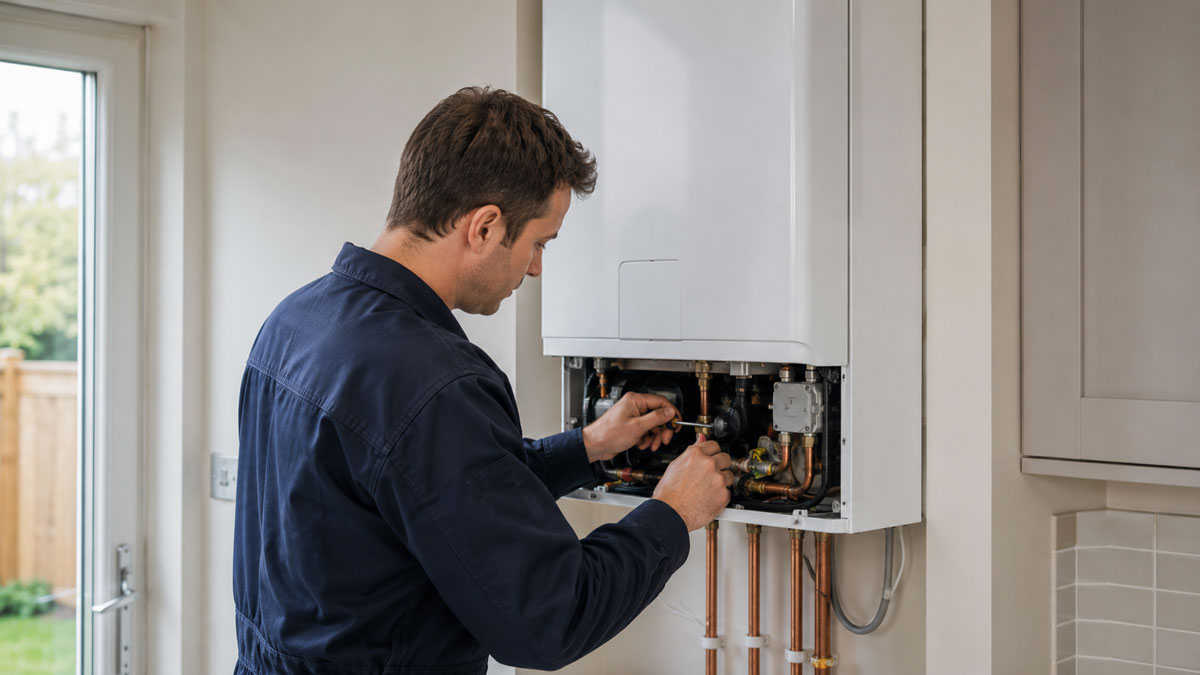
Before suggesting the ideal model and output for your property, the engineer will evaluate your existing pipes, flue position, and hot water consumption. To bring the system up to current standards, small plumbing adjustments may occasionally be required, although this is standard work.
After installation, the engineer will test all controls, commission the boiler, and guide you through the process before approving it.
When to Consider Upgrading
Your boiler is clearly past its most productive years if it needs regular maintenance, provides uneven heat throughout the property, takes longer to reach temperature than it used to, or has an efficiency rating below the current A-band standard. Instead of making a snap decision under duress, taking action before to a total breakdown allows you the time to select the best replacement.
Making the Most of a New System
When everything else in your heating system is functioning properly, a new boiler works best. To get the most out of the new unit, it is important to install thermostatic radiator valves, flush the central heating circuit to remove accumulated sludge, and make sure the property is well insulated. Any more work that might enhance overall performance can be recommended by your installer.
The Long-Term Value of Acting Now
Heating technology is still developing, and the systems that are in use now constitute a big improvement over those that were put in place even five years ago. The longer an inefficient boiler is in use, the higher the total cost in fuel, repairs, and lost comfort. By upgrading sooner rather than later, you may take advantage of those savings sooner and have more dependable, economical heating before the next replacement cycle starts.