The Art of Planning the Perfect Wedding
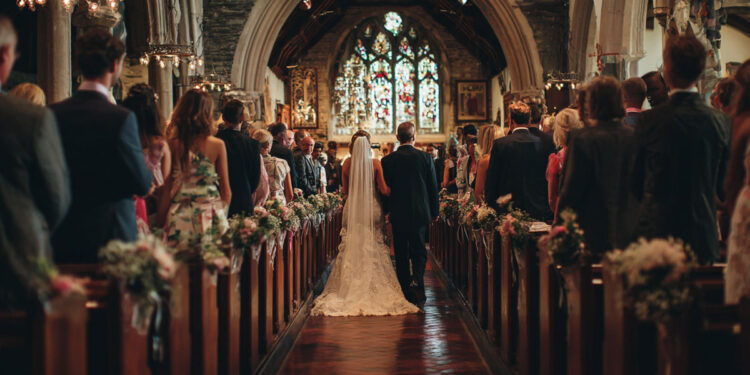
You probably picture your wedding as a day filled with meaning, warmth, and moments that feel true to you. Bringing that vision together takes more than inspiration alone; it calls for thoughtful decisions and steady organisation. As you move through the process, you shape an experience that reflects your relationship rather than a template. Small, well-considered choices often make the biggest difference, especially when they reduce stress and keep you focused on what matters. When you approach planning with clarity and intention, you give yourself the space to enjoy both the journey and the day itself.
Establishing Your Wedding Foundations
You set the tone for everything else when you define your priorities early on. Think about what matters most to you as a couple, whether that centres on a relaxed atmosphere, a specific location, or time spent with close family. When you agree on these foundations, you avoid second-guessing later decisions.
Set a realistic budget that reflects your priorities. For example, if you care deeply about photography, you might allocate more funds there and simplify other elements like favours or transport. This approach keeps spending aligned with what you will actually value when you look back on the day.
Creating a Structured Timeline
A clear timeline helps you stay in control without feeling overwhelmed. You can break the planning process into manageable stages, which makes even complex tasks feel achievable. Booking a venue early, for instance, often unlocks other decisions such as catering and décor because many suppliers work closely with specific locations.
Map out key milestones across the months leading up to your wedding. When you give yourself deadlines for sending invitations or confirming suppliers, you reduce last-minute pressure and give others enough notice to prepare properly.
Coordinating Key Wedding Elements
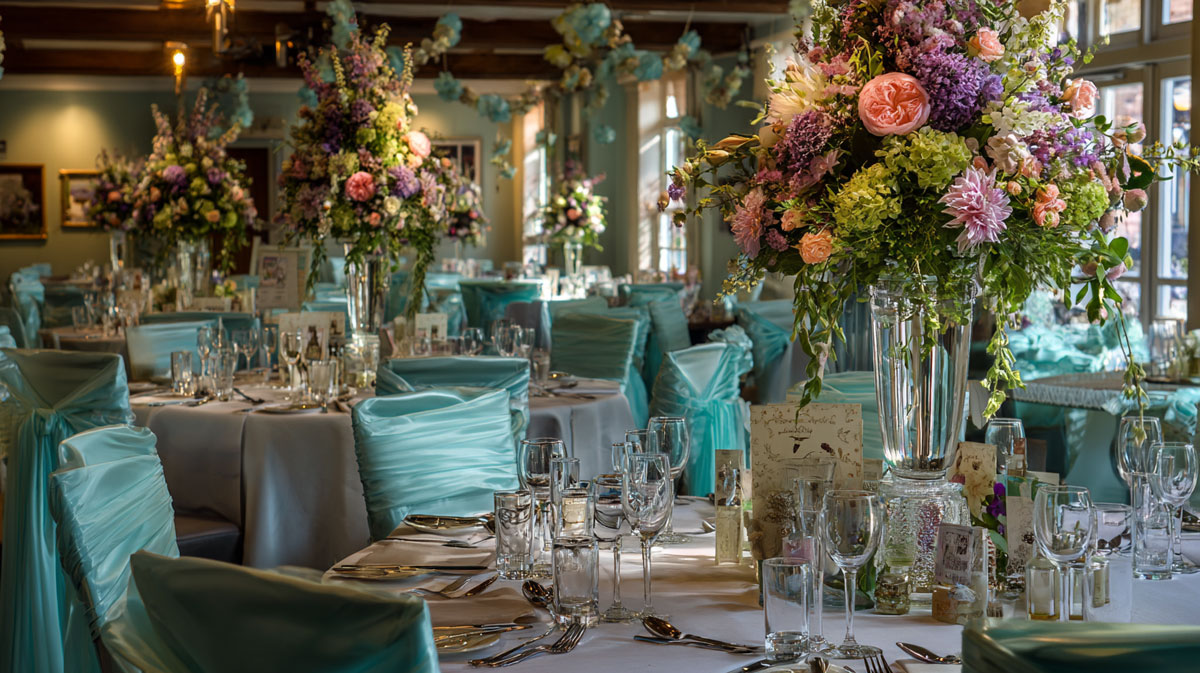
You bring cohesion to your wedding when you ensure each element works well with the others. Your venue, attire, flowers, and music all contribute to the overall atmosphere, so it helps to consider how they interact rather than treating them as separate tasks. Even small details, such as how your wedding rings complement your overall style, can tie everything together in a subtle but meaningful way.
Keep communication open with your suppliers so expectations stay clear. For example, sharing your colour palette with both your florist and cake designer helps them create details that feel consistent rather than mismatched.
Bringing Your Vision to Life
As the day approaches, your focus shifts from planning to execution. You can trust the groundwork you have put in, but it helps to stay present and flexible. Unexpected changes may arise, yet your preparation gives you the confidence to handle them without losing sight of the bigger picture.
Take time to review the final details a week before the wedding. When you confirm timings, check deliveries, and revisit your schedule, you reduce uncertainty and allow yourself to enjoy the celebration with fewer distractions.