Trixies by Squeeze – Album Review
By Victoria Holdsworth
When it was announced that this album was finally going to land, I was intrigued to hear the formative creative forces that shaped the band as we know them today.
As a lifelong Squeeze fan, there have been tracks over the years that have been a little less favourable to my ears, and this album is a bit of a half-and-half affair for me on first listen. But it’s always the same tracks that keep standing out above the rest.
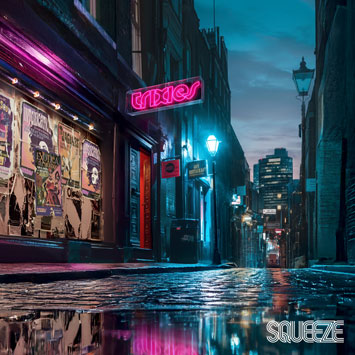
The album is certainly era-defining and, as the cover art suggests, set against the sleazy backdrop of a fictional 1970s London club. It opens with ‘What More Can I Say’ and the instantly recognisable sound of Tilbrook, showcasing his crooning, lamenting drawl.
As openers go, it’s a slow, drawn-out, jazz-infused track, wrapping tilting lyrics around slick riffs and conjuring up images of end-of-night despair, loneliness and a long walk home. It’s not the catchiest opener, but it does set the tone and the scene. That said, the track listing doesn’t always feel cohesive enough for the album to unfold as one clear story. Instead, it often feels like two different narratives running side by side, leaving you to fill in the gaps as you go, almost like watching a silent film. Apparently, the song order was changed from the original, which makes me wish they had left it as it first was.
‘You Got The Feeling’ is a lighter, jauntier offering, with perfect peaks and troughs in the melody. The harmonies from Tilbrook et al throughout the track are phenomenal and progressive, and the song somehow wills you onwards, washing away some of the seediness of the opener.
As you make your way through the album, you quickly realise this is almost like their own version of Now That’s What I Call Music, with many of the tracks echoing sounds you’ve heard before and giving an obvious insight into the styles they were listening to at the time.
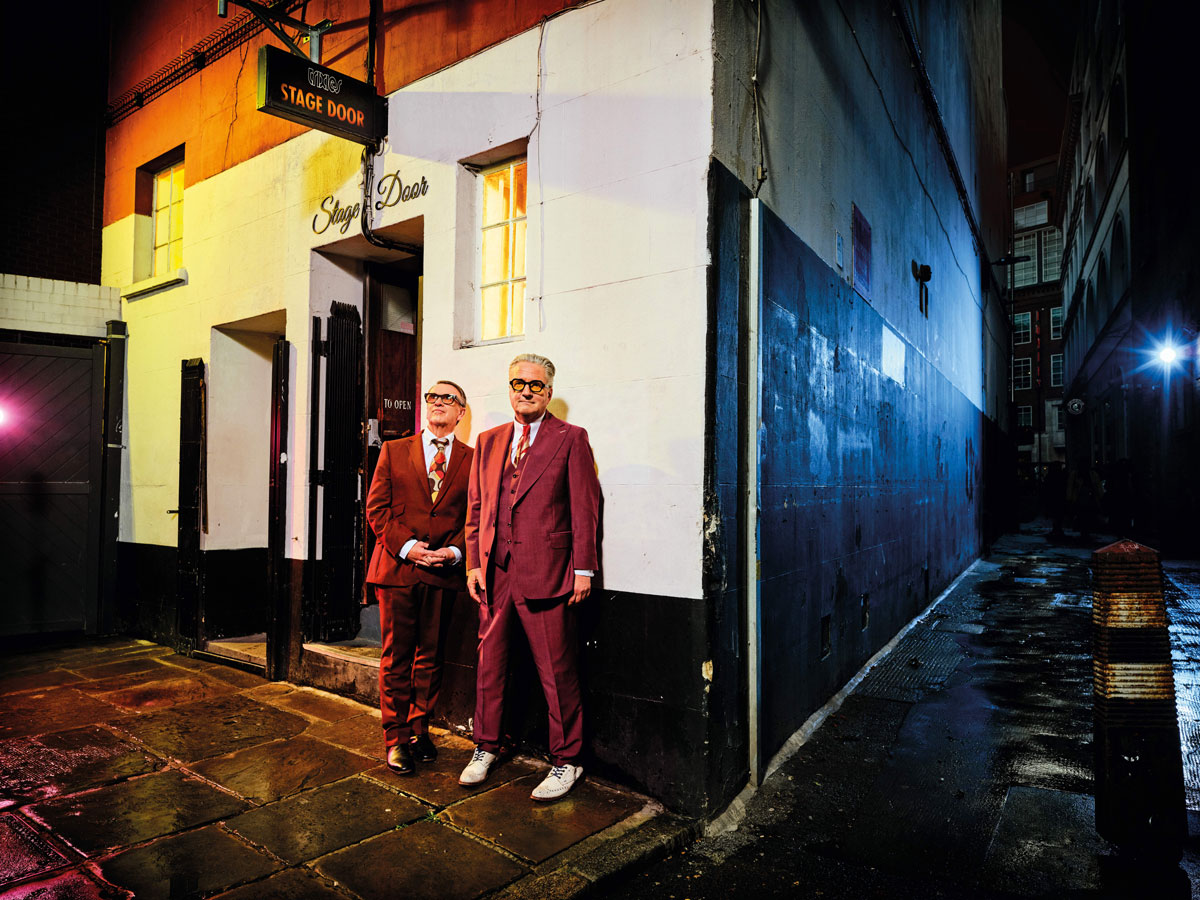
Glenn Tilbrook and Chris Difford of Squeeze, 2026
“Mesmerising”
‘The Place We Call Mars’ is Ziggy Stardust all over, which is fine if you’re a fan of Bowie in that mode. That’s followed by the Sparks-influenced opener ‘Hell On Earth’, which is one of the best tracks on the album for me. But watch out for the cheeky shift further into the song, where it suddenly throws up some amazing early-Quo blues riffs that feel dirty, raw and utterly inspired, making this a standout piece of brilliance and musical ingenuity.
By the time you get to the fifth track, ‘The Dancer’, your ears will certainly prick up.
This is where you start to hear more of the musical shape that would become the Squeeze unleashed on us in 1978 with their self-titled album.
Difford’s dark, brooding vocals give the track a real sense of menace, and it’s a masterpiece. It could easily have been written for Siouxsie Sioux, and it’s threaded through with clever little weaves of guitar and drum work. It’s thought-provoking, way ahead of its time, and completely mesmerising.
The next track, ‘Good Riddance’, surprised me with its soft psychedelic swirls, creating a kind of Sgt. Pepper earworm. The smooth, lulling melodies blend beautifully with delightful piano accents that meander in and out of molasses-thick guitar sounds, making for a wonderfully relaxing listen.
It really hits you when you stop and think that Chris Difford and Glenn Tilbrook wrote these songs at just 16 and 19 years old. While some tracks have fallen a little by the wayside for me, they still show a sophistication in songwriting far beyond their years. That becomes even clearer on the following track, ‘Why Don’t You’, which opens slowly and grittily, but feels like the point where they began to find their own sound, with deeper layers to their musical landscapes. It’s dark, pensive and wickedly well crafted.
The next track shifts gears again, with a punchy staccato vocal paired with a striking bass drive, fuelling the whole thing with T. Rex-inspired fire. It’s a perfect track, with interesting harmonies, a punk attitude, and gutsy, unflinching lyrics.
Then comes yet another change of pace with the jaw-dropping ‘It’s Over’. The waves of swirling indie guitar, stacked against the rhythmic offbeats of the drums, give the whole track a distinct pulse, while the lyrics breathe vivid imagery into the piece. If an L.S. Lowry painting could be turned into a song, this would be it.
 “Atmospheric”
Chris Difford leans into his deliciously dark side again on ‘The Jaguars’, with his downcast tone perfectly suiting the narrative. The beautiful, menacing guitar work washes over you, only to chew you up and spit you out in the best possible way, before the next track, ‘Trixies (Part One)’, grabs you by the scruff of the neck for a full-blown punch-up. With its Americana, Marc Bolan and Suzi Quatro strut, it gets the blood pumping and the gloves coming off. Another well-executed musical masterclass.
The final track, ‘Trixies ‘(Part Two)’, is one of my absolute favourites. It’s a lingering, haunting piece, full of stark instrumental contrasts that are both powerful and exhilarating, bringing everything back full circle to the beginning. Atmospheric from the opening bar, it’s weirdly mesmerising, with something of a Tool-esque quality. Its progressiveness and structure are ingeniously engaging, drawing you in like a black velvet curtain you know you’re not supposed to peek behind.
Above all, you have to give it to Squeeze. Not only have they spanned and conquered five decades, they have proved themselves a stalwart part of the modern music scene as we know it, and they can still produce hit after hit, pushing their already well-honed talents to new extremes. There is still a drive, hunger and ambition there that keeps them moving forward, when most other bands would have rested on their laurels years ago.
Is this my favourite Squeeze album? No. Far from it. But there are tracks here that have genuinely blown me away and deepened my love of Squeeze even further. I’ve always found with Squeeze that you tend either to veer towards Difford or lean more towards Tilbrook and, for me, on this occasion, Difford is the one who saves the album.

Victoria is a former English teacher and lifelong musician who has successfully combined her two great passions: words and music. Over the past 20 years, she has written for a variety of publications, giving her the opportunity to witness outstanding talent and meet some truly inspiring individuals. With a deep love for rock, indie, metal, and all things weird and wonderful in between, Victoria also co-runs an independent record label.