Why Buying a Classic Car Has Become Easier in the Digital Age
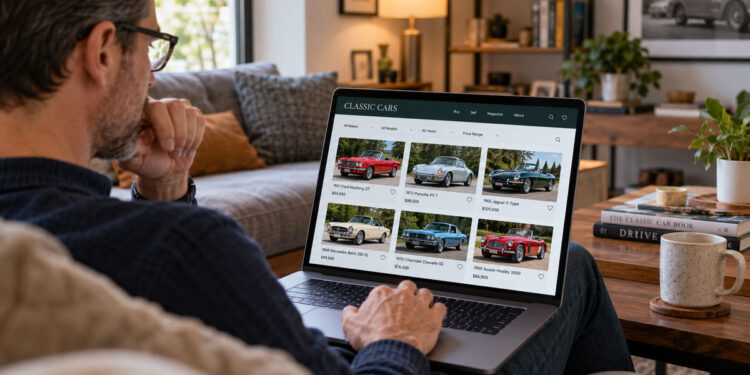
Buying a classic car has always been about more than simply choosing a means of transport. For many enthusiasts, it is about character, design, engineering, nostalgia and the feeling of owning something with a story behind it.
What has changed dramatically is the way people find and research those cars.
A generation ago, anyone searching for a classic vehicle might have spent weeks checking newspaper classifieds, visiting specialist dealerships, attending auctions and speaking to owners’ clubs. Today, much of that process can begin online.
The growth of specialist marketplaces, digital archives, high-resolution photography, online communities and vehicle-history services has made classic car buying more accessible than it once was. Buyers can now compare vehicles from different parts of the country – and even different countries – without leaving home.
For anyone searching for classic cars for sale, this digital shift has opened up a much broader market and provided access to far more information before a viewing ever takes place.
A Wider Choice Than Ever Before
One of the clearest advantages of buying in the digital age is the sheer variety of cars available to browse.
In the past, buyers were often limited by geography. Someone looking for a specific model might depend on a local dealer, a specialist magazine or the occasional advert appearing within reasonable travelling distance.
That could make the search for a rare specification particularly difficult.
Today, online marketplaces allow enthusiasts to see cars listed across the UK and further afield. A buyer looking for a classic Mercedes-Benz, a vintage Alfa Romeo, an early Porsche, a British sports car or an American muscle car can often compare several examples at the same time.
This wider choice can be especially valuable when shopping for older vehicles because condition and history vary enormously from one example to another.
A 40-year-old car cannot be judged by model and mileage alone. Two apparently identical vehicles may have had completely different lives. One might have been carefully maintained and stored in a dry garage, while another may have experienced poor repairs, long periods of neglect or extensive modification.
Having access to a larger selection makes it easier to walk away from an unsuitable car rather than buying it simply because it is the only example available nearby.
Better Photography Has Changed the Buying Process
Online car listings have become much more sophisticated.
Years ago, a classified advert might have included a short description and one small photograph. Modern listings can include dozens of high-resolution images showing the bodywork, interior, engine bay, underside, wheels and documentation.
That makes a significant difference when researching classic vehicles.
Experienced buyers know that small details can reveal a great deal about a car. Uneven panel gaps might suggest previous accident repairs. Differences in paint tone may indicate resprayed panels. Wear on the steering wheel, seats and pedals can provide clues about how heavily the vehicle has been used.
Photographs of the engine bay can also help identify whether the car appears original or has been modified over the years.
Of course, pictures do not tell the whole story. Rust can be hidden beneath paint, mechanical problems may not be visible, and carefully chosen camera angles can make imperfections difficult to spot.
Even so, detailed photography can help buyers decide which cars are worth investigating further.
Video Gives Buyers Even More Information
Video has also become increasingly useful.
Sellers can now provide walkaround videos, cold-start recordings and footage of the car being driven. These can help a potential buyer hear the engine, see how easily the car starts and observe details that are harder to judge from still photographs.
A video call can be even more useful when the vehicle is located far away.
A buyer might ask the seller to show a particular area of the bodywork, demonstrate the operation of the lights and instruments or provide a closer view of the engine while it is running.
This is particularly valuable for international purchases or vehicles located hundreds of miles away.
While video should not be considered a replacement for a professional inspection, it can prevent unnecessary journeys and make the early stages of the search far more efficient.
Research Is Easier Than It Used to Be
Finding the car is only part of the buying process.
Understanding what to look for is just as important.
Classic vehicles often have well-known weaknesses. Certain models may be vulnerable to corrosion in specific areas, while others may suffer from electrical problems, cooling issues or expensive gearbox faults.
In the past, discovering this information might have required speaking to a specialist mechanic or joining an owners’ club.
Today, buyers have access to a vast amount of knowledge online.
Owners’ forums, enthusiast websites, video channels and digital buying guides can help explain common problems and important differences between model years.
This means buyers can prepare before viewing a car.
If a particular model is known to rust around the wheel arches, sills or suspension mounting points, those areas can be inspected carefully. If a certain engine is known for a costly mechanical problem, the buyer can ask whether preventive work has already been carried out.
That level of preparation can make the difference between buying confidently and making an expensive mistake.
Online Marketplaces Have Made the Market More International
The internet has also changed the geographical boundaries of the classic car market.
Enthusiasts are no longer limited to vehicles available locally.
Specialist platforms such as Dyler.com make it possible to browse classic, sports and collectible vehicles from sellers in different markets. This can be useful when looking for an unusual model, a rare specification or a car that was originally sold in much larger numbers outside the UK.
For example, some European classics may be easier to find in France, Germany, Italy or the Netherlands than in Britain.
Similarly, certain American vehicles may be more widely available in continental Europe than buyers initially expect, particularly where established collector communities exist.
This international reach gives buyers more options, but it also makes careful research more important.
International Purchases Need Extra Planning
Buying a classic car from another country can be rewarding, particularly if it allows someone to find the exact model or specification they want.
However, there are additional factors to consider.
Transport costs can be significant, especially if the vehicle is not suitable for driving long distances. Buyers may also need to think about registration requirements, taxes, customs procedures and the documentation required to use the vehicle legally in the UK.
It is also important to understand how vehicle histories are recorded in the country where the car is being sold.
The type and availability of documentation can vary. Some vehicles may have extensive service histories, while others may have relatively little paperwork despite being well maintained.
For higher-value cars, arranging an independent inspection can be particularly worthwhile.
A specialist familiar with the marque may identify issues that an ordinary buyer would miss.
Digital History Is Becoming More Important
Classic car buyers have traditionally valued physical paperwork.
Folders containing invoices, MOT certificates, service records, old photographs and restoration receipts can provide a valuable picture of a vehicle’s past.
Increasingly, some of that history is becoming digital.
Owners and restoration workshops may now keep detailed electronic records, including photographs taken during restoration work, scanned invoices and digital copies of important documents.
This can provide an even more complete record than traditional paperwork.
For example, photographs showing a car during bodywork restoration can reveal exactly what repairs were completed and how extensively the vehicle was dismantled.
Digital records are also easier to store, duplicate and pass to future owners.
For collectors, that documentation can become an important part of the vehicle’s story.
Price Comparison Has Become Easier
One of the biggest challenges when buying a classic car is understanding what it is really worth.
Unlike new vehicles, there may be no simple list price.
Values can depend on specification, rarity, originality, condition, provenance and even colour.
Online marketplaces make it easier to compare asking prices for similar vehicles. Auction archives can also provide information about previous sales.
However, buyers should be cautious when using advertised prices as a valuation guide.
An asking price is not necessarily the price a car will eventually sell for.
A vehicle may remain advertised for months because the seller has unrealistic expectations. Another may sell quickly because it has been priced competitively.
Condition also matters enormously.
A fully restored example may appear expensive compared with a project car, but restoration costs can quickly exceed the difference in purchase price.
Technology Cannot Replace a Proper Inspection
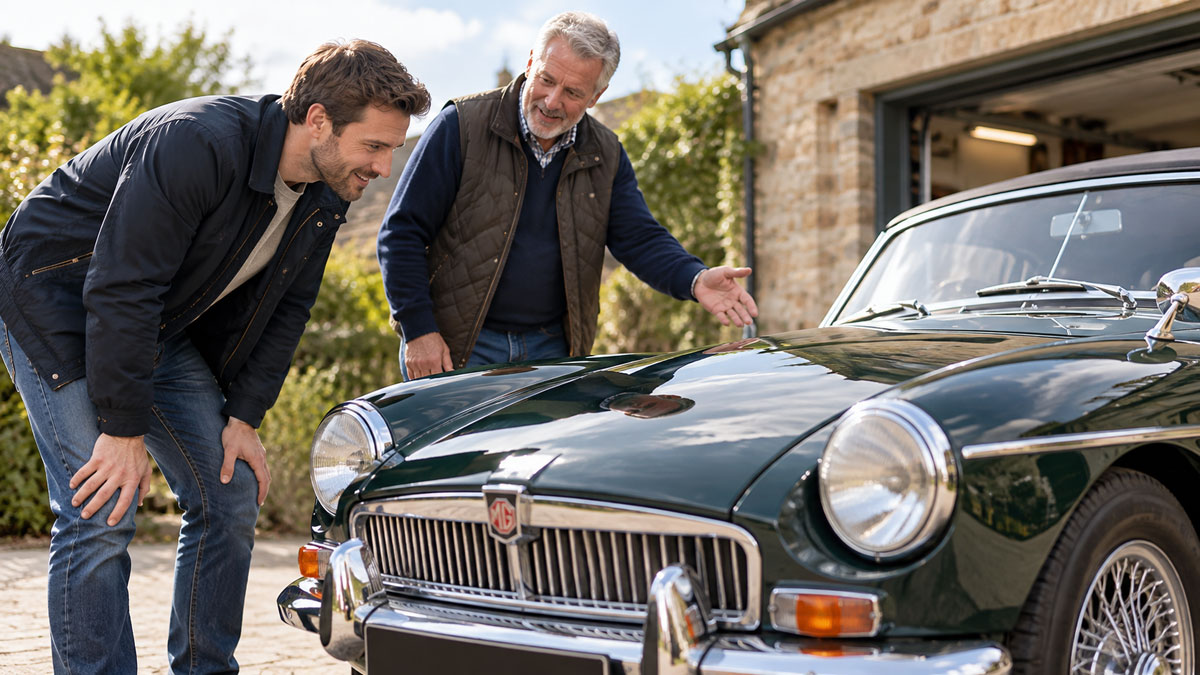
Despite all the advantages of digital buying tools, classic cars still need to be assessed carefully in the real world.
Online photographs cannot always reveal structural corrosion, oil leaks or mechanical wear.
Similarly, a seller may describe a car as driving well, but that does not tell you how the steering feels, whether the brakes pull to one side or whether the gearbox operates smoothly when cold.
A physical inspection therefore remains important.
For valuable vehicles, buyers may want to consider using a professional inspector or specialist workshop.
The cost of an inspection can seem significant, but it may be small compared with the expense of repairing hidden problems after the purchase.
Classic cars can require specialist parts and labour, and seemingly minor issues can become expensive quickly.
Parts Availability Is Easier to Research
Another advantage of the internet is that prospective buyers can investigate parts availability before purchasing.
This is particularly important for unusual or low-production vehicles.
Some classic cars benefit from excellent aftermarket support, with mechanical parts, trim and body panels readily available.
Others may require owners to search for used components, have parts repaired or commission reproductions.
Enthusiast forums and specialist suppliers can provide a good indication of how difficult a particular model is to maintain.
This information can be especially important for first-time classic car owners.
A rare car may look attractive because of its low purchase price, but it can become frustrating to own if routine components are almost impossible to find.
Owners’ Communities Remain Invaluable
Although technology has transformed the buying process, people remain one of the best sources of information.
Owners’ clubs and online enthusiast communities can provide practical knowledge that may not appear in official guides.
Members often know which specialists are respected, where difficult-to-find parts can be sourced and what problems commonly occur after years of ownership.
They can also help buyers understand what a particular classic is actually like to live with.
A car may look appealing in photographs but have heavy steering, poor heating, limited luggage space or demanding maintenance requirements.
Talking to experienced owners can help set realistic expectations.
The Experience Is More Convenient, But Not Risk-Free
The digital age has made classic car buying faster, broader and better informed.
However, it has not removed the risks.
Buyers still need to verify ownership, check documentation and understand exactly what they are purchasing.
If something about a listing appears suspicious, it is sensible to investigate further.
Large deposits should not be sent simply because a car appears attractive online. Documentation should be checked carefully, and sellers should be willing to answer reasonable questions.
When possible, viewing the vehicle in person remains preferable.
Technology can reduce uncertainty, but it cannot remove it completely.
A New Way to Find Old Cars
There is an interesting contrast at the heart of the modern classic car market.
The vehicles themselves are often celebrated precisely because they come from an era before touchscreens, advanced driver-assistance systems and constant connectivity.
Yet the tools helping people discover and preserve those vehicles are becoming increasingly digital.
For anyone searching for classic cars for sale, online platforms now provide access to a much broader selection than previous generations of enthusiasts could have imagined.
Digital photography allows buyers to examine cars in detail. Online communities make specialist knowledge easier to find. Video allows remote inspections, while digital records help preserve important parts of a vehicle’s history.
None of these tools can replace experience, careful inspection or good judgement.
What they can do is make the search more efficient and help buyers arrive at a decision with far more information.
The classic cars themselves may belong to the past, but the way we find, research and buy them has moved firmly into the digital age.