Fragrance Layering: The Trick Most People Get Wrong
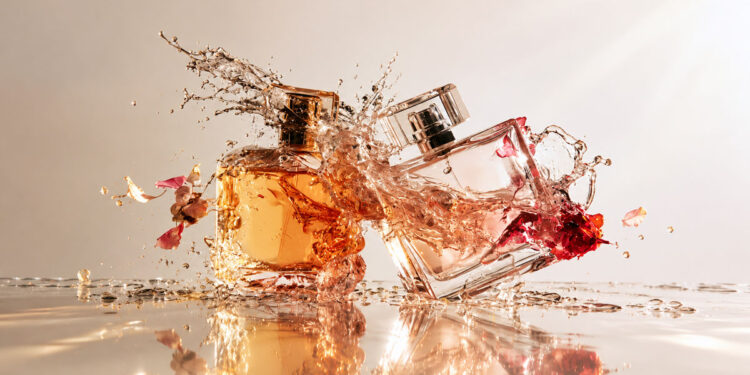
On TikTok, fragrance layering looks simple. Most people treat it like a lucky dip though, grabbing two bottles they already enjoy and hoping the combination somehow works when they spray one over the other. That’s a bit like tossing random ingredients into a pan and expecting dinner to sort itself out.
In reality, one scent often just drowns the other. Or they’ll clash so badly that you end up wearing something nobody in the room wants to get close to, and you won’t even realise it because your nose adjusted twenty minutes ago. What catches most people off guard is that application order can matter more than which bottles you pick.
Why Two Good Scents Don’t Automatically Work Together
Here’s where most people go wrong. They’ll assume that because they enjoy both fragrances on their own, the two will somehow play nicely together, but a pairing will only work when the scents either share common ground or genuinely complement each other. Pick two at random without that logic and you’ll usually end up with something unwearable.
A citrus-forward cologne paired with a heavy oud won’t blend on your skin the way you’d expect, because the oud will bulldoze the citrus within minutes and leave you wearing only the heavier scent for the rest of the day. That’s an intensity mismatch. If you’re combining something light and fresh with a dense, warm fragrance, the lighter one needs enough projection to hold its own or you’ve basically wasted a spray.
Testing every combination by hand takes ages. Luckily, popular fragrance comparison sites like ScentVerdict match fragrances by shared notes, so you can easily see which perfumes in your collection are most likely to go together well. This will cut down on trial and error so you can find pairings that actually complement each other before you commit to wearing them anywhere.
Application Order Changes Everything
You could pick two perfectly matched scents and still end up disappointed if you apply them in the wrong order. Heavier fragrance goes on first. It’ll form the base and last longer on your skin, while the lighter scent becomes the first thing people notice before it evolves over the next couple of hours.
Where you spray matters too. If you put both fragrances on the same pulse point, they’ll compete with each other from the moment you walk out the door and you won’t get the layered effect you were after. Split them up instead. Put the heavier scent on your chest or clothes, and the lighter one on your neck or wrists, so each fragrance can develop on its own timeline and they’ll gradually blend together as your day goes on.
When to Layer and What to Pair
Longevity is one of the most common reasons people layer in the first place. If a fragrance you love tends to fade fast, try putting it over something that shares the same base notes. That base will anchor it. The lighter scent will keep going well past its usual fade point, giving you hours of extra wear time without needing to reapply halfway through the afternoon.
For added warmth, try a vanilla-based fragrance underneath something cooler and fresher. Vanilla works with almost everything. It’ll round off sharp edges without overpowering the top layer, and it adds depth to the overall combination that won’t come across as heavy or cloying no matter what you pair it with.
Changing seasons can be awkward. When you’re caught between summer and autumn and can’t commit to either a fully fresh or fully warm scent, try pairing a bright summer fragrance with something richer and spicier to bridge the gap between warm afternoons and cooler evenings.
The Real Value of Learning to Layer Fragrances
Nobody needs a chemistry degree for this. But the difference between a combination that works and one that falls apart usually comes down to two things: do the scents share enough common ground, and are they close enough in intensity that one won’t bury the other within the first hour?
Once you’ve got a couple of reliable pairings locked in, layering will change how you think about your whole collection. Bottles you’d written off as too light or too one-dimensional on their own will suddenly have a second life as a top layer over something warmer. A collection of six bottles stops being six options and starts being fifteen or twenty, depending on how you combine them. That’s the real value of learning to layer properly, and it’ll save you a lot of money on full bottles you didn’t actually need.