The Hidden Cost of Flights and How to Buy Back Time
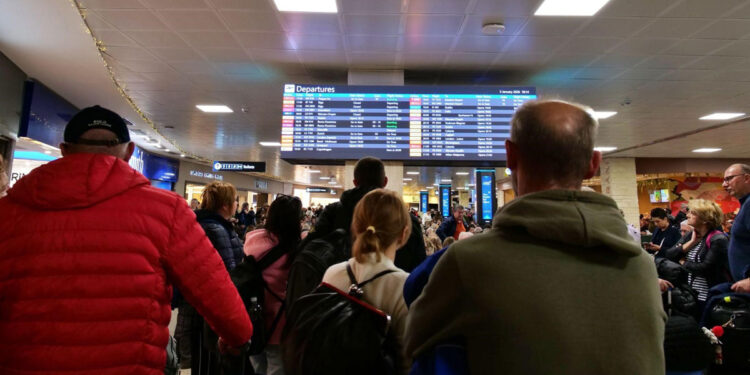
It’s still dark when you leave the house, yet the journey is already underway, even though your flight is hours away. A low fare looks efficient and feels like a smart decision in the moment, but that price only covers the seat—not the day built around it. Scheduled flights run on fixed timetables, forcing everything else to bend around them. What you don’t see when booking is where the real cost sits: in the hours before and after the flight. Early alarms, long waits, rigid plans, and the constant pull of the clock. Most travellers never calculate it. The ticket is clear and immediate; the rest reveals itself later.
The Day Starts Earlier Than You Think
A 07:00 departure rarely begins at seven. In reality, it starts closer to 04:00, with a rushed exit before the city wakes. Even a short journey to the airport expands once you factor in waiting time, platform changes, and the small, familiar delays that stretch everything out.
By the time you reach security, much of the morning has already slipped away. It’s an awkward stretch of time—neither productive nor restful—where you arrive early, hurry anyway, and still end up waiting.
Airports Operate on Their Schedule, Not Yours
Inside the airport, the rhythm shifts again. You move through a system designed for volume, not ease. Security lines crawl, boarding groups stall, and gate changes appear at the last minute, pulling your attention back to the departure board.
Individually, these moments feel minor. Together, they build a low, persistent layer of stress that runs through the entire journey. Airports are efficient systems, just not for the people moving through them.
Connections Turn Short Trips Into Long Ones
Indirect routes add friction where you don’t expect it. A simple connection on paper, for example, a stop in Paris, quickly becomes a cycle of disembarking, navigating terminals, queueing again, and repeating the boarding process.
The flight itself may be short, but the day stretches around it. You spend more time in transit spaces than planned, and that’s usually when travel starts to feel like waiting.
Short Trips Carry the Highest Penalty
The shorter the trip, the more noticeable the impact. A delayed Friday departure eats into limited time, while a late Sunday return leaves you stepping into Monday already drained.
With only a day or two away, the margin is tight. Lose a few hours, and the entire trip shifts. Plans compress, time feels restricted, and you begin to notice just how much of the experience is spent getting there rather than being there.
The Real Cost Is Time, Stress, and Lost Control
Fares are easy to compare; the full experience is not. Early starts, slow-moving queues, and the need to constantly check the time all add up. You end up building your plans around fixed departures instead of your own schedule.
Airlines optimise for keeping aircraft moving. That works for the system, but it doesn’t always work for the people inside it.
How To Buy Back Your Time When You Fly
Reclaiming your time starts with recognising where it disappears. Most of it is lost on the ground, so small adjustments there can have an outsized impact.
Choose Flights That Work With Your Day
Timing matters more than most people think. Early departures tend to run on schedule, while midday flights carry a higher risk of knock-on delays. Even shifting your flight by a couple of hours can reshape the entire day.
Airport choice plays a role, too. Larger hubs offer more routes but often at the cost of longer queues and slower movement. Smaller airports can reduce friction significantly, helping your journey start later and end sooner.

Remove Unnecessary Friction From the Journey
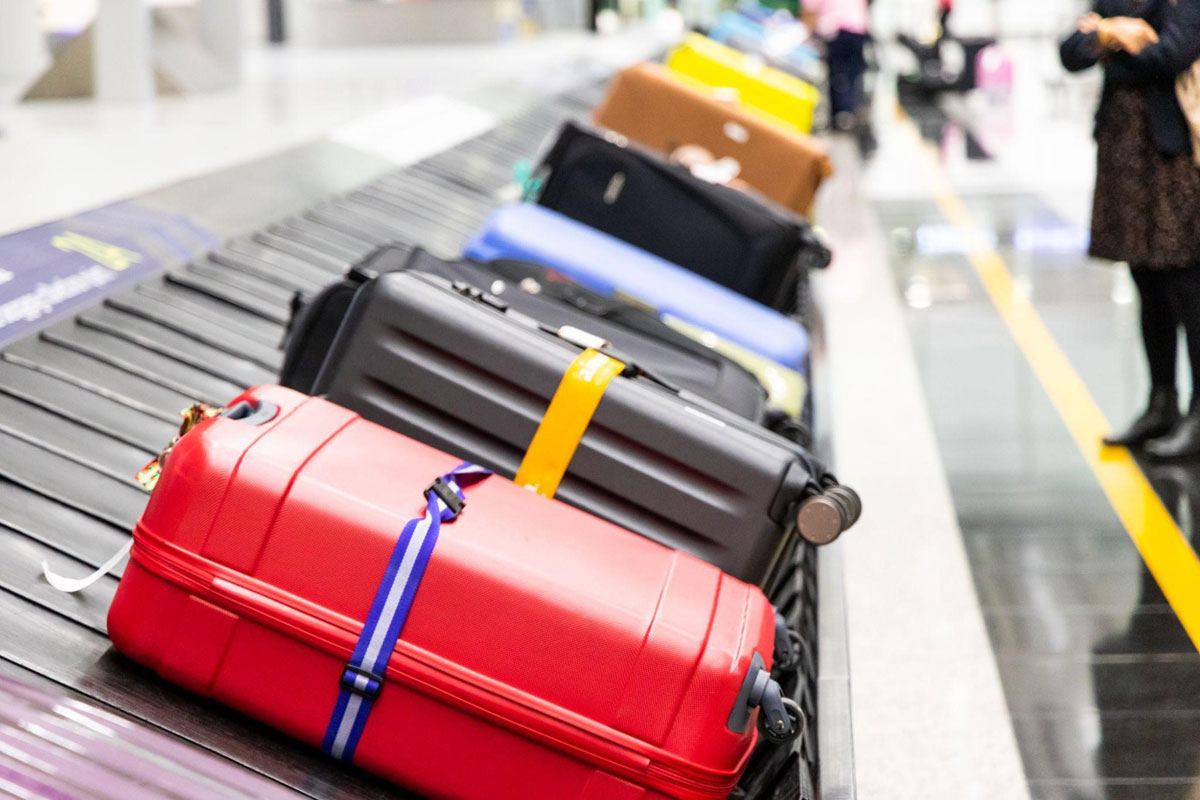
Travelling with hand luggage only eliminates one of the most unpredictable parts of the journey: baggage reclaim. Instead of waiting at the carousel, you walk straight out. It’s a small shift, but one that feels significant at the end of a long day.
More broadly, many travellers are starting to rethink the process altogether, looking for ways to reduce moving parts. Fewer queues, fewer transitions, fewer opportunities for disruption.
When it makes sense to step outside scheduled travel
For some trips, especially short-haul journeys where time on the ground matters most, alternatives are becoming more appealing. Shared private flights and charter services now operate on many short-haul European routes, and these offer a different model—one that removes much of the friction built into commercial travel.
For some, that shift goes further, with travellers choosing to book private jet services for specific trips where time on the ground matters more than the process of getting there. The difference is immediate. You arrive closer to departure, move through smaller terminals, and leave shortly after landing. No long queues, no crowded gates, no constant clock-watching. The journey becomes simpler, more predictable, and far less draining.
What changes most isn’t just the schedule—it’s how the day feels. Instead of building everything around a fixed departure, you move with far greater control. The trip becomes shorter in practice, but also lighter, with fewer decisions and less uncertainty.
Rethinking How You Value Travel
Most people optimise for what’s visible: the ticket price, the route, the departure time. What gets overlooked is everything around it—the early alarms, the waiting, the small moments of stress that accumulate across the day. Once you start looking at the full journey, the trade-offs become clearer. Not every trip needs the same approach, and not every journey has to follow the same pattern. Buying back your time begins when you stop viewing the ticket in isolation and start paying attention to everything that surrounds it.