How Slot Machine Hardware Has Evolved Over Time
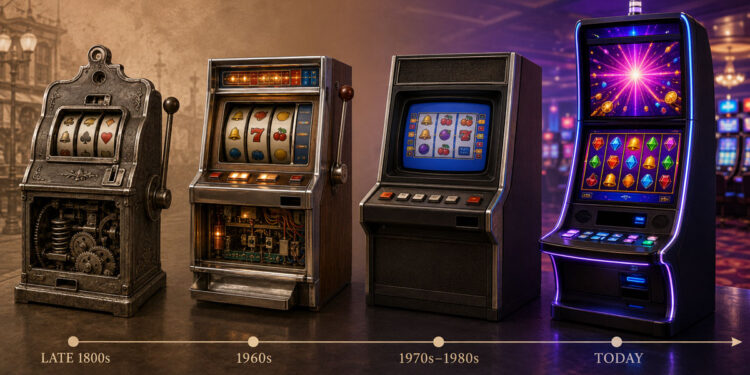
Slot machines have changed a great deal since the first mechanical models appeared in the late 1800s. Early machines worked entirely through physical parts, with springs, gears, and spinning metal reels controlling how the machine operated. As technology developed, manufacturers slowly moved away from heavily mechanical systems and introduced electronic components instead. Over time, computer hardware became a standard part of slot machine design. Modern cabinets now include digital screens, processors, speakers, memory systems, and network connections similar to the technology used in everyday electronic devices. While the outside design has stayed fairly recognisable, the hardware inside modern machines is very different from the earlier models found in casinos decades ago.
The Mechanical Beginnings
The earlier models of slot machines depended massively on mechanical engineering. The best example of this is the original Liberty Bell machine by Charles Frey during the 1890s in San Francisco. The machine used spinning reels that were connected to a system of springs, gears, and metal levers that were placed inside a cast-iron cabinet. A handle on the side of the contraption could be pulled, setting the mechanism in motion and resulting in the reels spinning before landing in a fixed position. Small mechanical parts were put together to form this sequence by inputting a coin, which could be given back upon a successful combination. As a result of every movement relying on physical hardware, the machine required regular maintenance and needed to be repaired for any worn parts that may have impacted the game’s functionality.
When Electronics Changed the Casino Floor
Electronic technology began to change the way slot machines were designed in the 1960s, with manufacturers starting to introduce electromechanical machines that combined traditional reel systems with hidden electrical components. Bally Manufacturing were the one who played a huge role in shifting to this style, creating machines that used electrical circuits to handle functions that were once controlled by moving parts. This reduced some of the maintenance issues that were linked to the older machines and also allowed for more advanced systems to be used. Electronic hardware made it easier to add illuminated displays and create different visual effects that replicated those of a computer, later becoming a standard in the industry.
Shift From Physical Reels to Digital Screens
Video slot machines became more widely used during the 1970s and 1980s as display technology improved. Instead of relying on the physical reels like the retro machines once did, these newer systems used graphics that were displayed on video monitors inside the cabinet. One of the earliest successful examples came from Fortune Coin, whose video slot machine was later approved for use in Las Vegas casinos. Early models used cathode ray tube screens similar to those of household televisions at the time. As technology developed, flat panel displays gradually replaced older monitors. Removing the need for physical reels allowed manufacturers to redesign cabinet layouts and rely more heavily on software and internal processors.
Inside a Modern Slot Machine
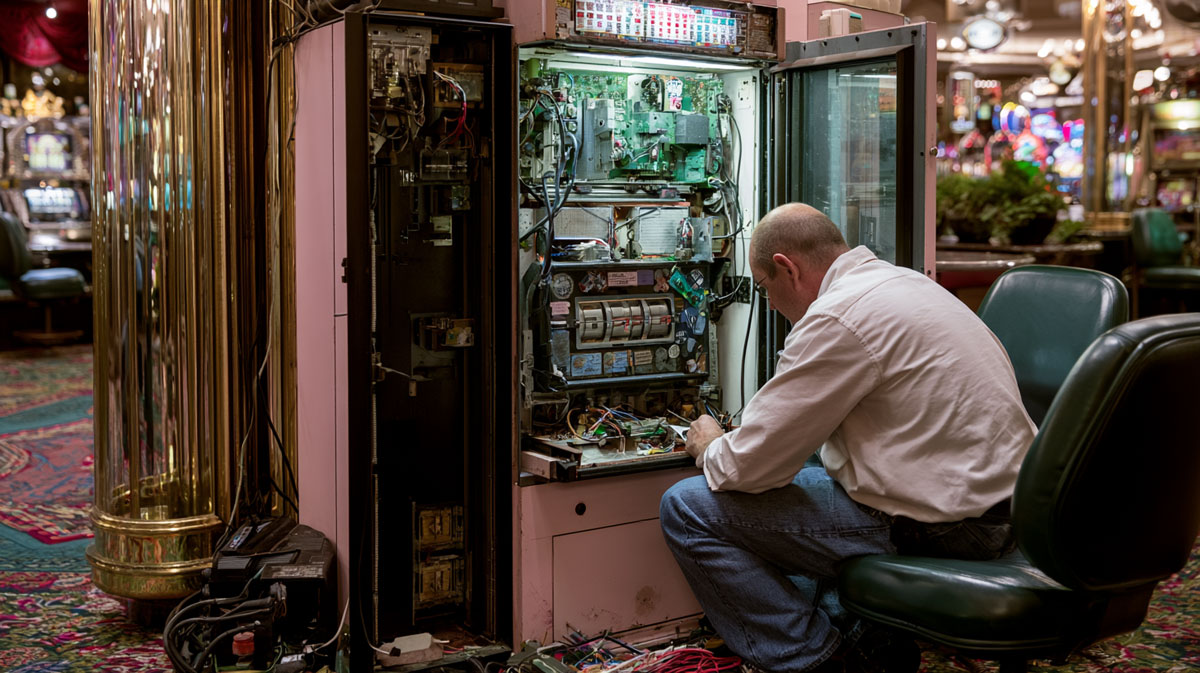
Modern slot machine cabinets have far more technology than the earlier mechanical models that were used decades ago. Inside a typical machine, the components such as digital displays, processors, LED lighting and much more are all connected to one another to support both the gameplay and the visuals. The processor is the central system that controls the screen graphics and audio, as well as the other internal parts. Many manufacturers now design machines in sections in order to focus on the individual components, should anything need to be removed or even replaced. This makes maintenance much easier to do for technicians who might have to work across a large casino floor with hundreds of other machines in operation.
How Chips and RNG Power Modern Slots
With modern online slots machines, they tend to use computer chips and random number generators to control the gameplay’s structure. These systems continuously produce a number of combinations while the machine is turned on. When a button is pressed, the machine immediately selects one of these numbers that determines the results that are showcased on the screen. Unlike the older machines, the outcome is not controlled by the movement of the physical reels and instead relies on the use of randomised technology. RNG software first became widely used in the 1980s as computer systems became more and more reliable within the casino industry.
The Future of Slot Machine Hardware
The hardware in slot machines continues to develop as display and computer technology improve. Many newer machines are beginning to use digital screens and more advanced processing systems than the previous generations. Some manufacturers have also explored biometric technology, which can include fingerprint recognition and facial scanning systems that allow for regulations to be maintained. Virtual reality hardware has also been tested within many parts of the gaming industry, though it has not become common inside the majority of casinos. Future developments are expected to focus mainly on system security, hardware efficiency, and stronger connections between machines and wider casino management networks.