How Creative Retreats Reshape Modern Home Life
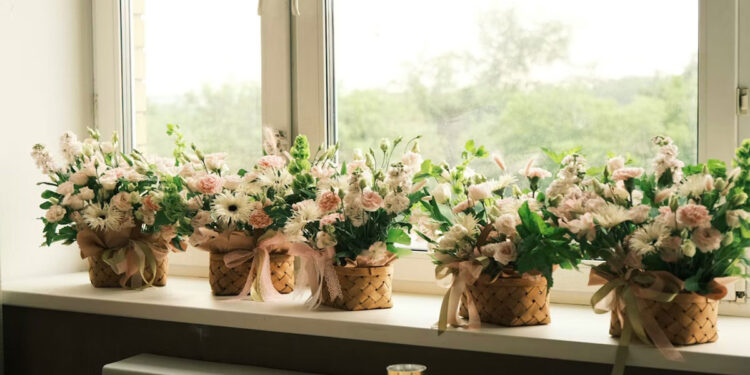
A dedicated creative retreat can change how a home feels and how effectively you use your time. It gives writing, painting, music, or craft work a clear place in the week, away from the visual reminders of everyday jobs.
The idea also reflects a wider interest in creative retreat escapes, where people seek focused time and a stronger connection with their interests. At home, even a modest garden studio can bring some of those benefits into daily life without requiring travel or lengthy breaks.
The Psychology of Dedicated Creative Zones
Your surroundings provide cues about what you’re expected to do. A kitchen suggests food preparation, while a sofa often signals rest. A room reserved for creative work can prompt the mind to settle into that mode more quickly, especially when its layout stays consistent.
Keep the space visually calm, but include objects that support your process. A sketchbook left open on a desk, materials stored within reach or a noticeboard showing work in progress can reduce the effort needed to begin. Personal touches matter too. Colours, plants and a comfortable chair help the retreat feel inviting, which makes regular use more likely.
Separating Domestic Chores from True Focus
Household tasks compete for attention because they’re visible and easy to start. Moving creative work beyond the main living area creates a useful physical boundary. For homeowners considering a substantial year-round room, comparing log cabins for sale can help clarify suitable sizes, layouts and construction options.
Before choosing a building, map out what the activity requires. A writer may need little more than a desk, shelving and reliable power. A painter needs washable surfaces, generous daylight and storage for canvases. Leave enough clear floor area to move comfortably, then decide which household items are excluded. Once laundry and spare boxes move in, the room’s purpose can quickly become blurred.
Timber Construction for Natural Acoustic Balance
Timber surfaces can give a creative room a warm, settled character while helping soften harsh echoes. This is useful for spoken-word recording, acoustic practice or simply concentrating without the hard reverberation found in sparsely furnished rooms.
The finished interior matters as much as the shell. Rugs, curtains, bookshelves and fabric seating absorb sound at different frequencies, creating a more balanced atmosphere. Place noisy equipment on padded mats and avoid positioning speakers directly against walls. If outside noise is a concern, check door and window seals before buying specialist acoustic products. Small gaps often allow more disturbance than the wall material itself, so careful fitting can deliver a noticeable improvement.
Practical Ventilation and Heating Essentials
A retreat only supports regular creativity when it remains comfortable through changing weather. Insulation should cover the floor, walls and roof, while suitable glazing helps control heat loss. Choose heating with a thermostat so the room can warm up before a planned session without running all day.
Fresh air also needs attention. Opening windows works well in mild conditions, though adjustable vents provide steadier airflow during winter. Activities involving paint, glue or dusty materials may need stronger extraction and products should always be used according to their safety instructions.
Keep paper, fabrics and electronics away from damp corners. A small humidity monitor offers useful early warning, particularly if the room isn’t occupied every day.
Creating a Purposeful Daily Routine
Treat the walk to your retreat as the start of a defined session. Choose a regular time, leave your phone outside or switch it to silent and decide on one task before entering. A 30-minute block can be enough to draft a page, practise a passage or develop one section of a drawing.
Ideas such as mini creative retreats show that useful creative time doesn’t need to fill an entire day. A short opening ritual can also help, such as making tea, switching on a particular lamp and reviewing yesterday’s work for five minutes.
End each session by preparing the first tool or note you’ll need next time. Returning to a ready desk makes tomorrow’s beginning much easier and keeps the retreat connected to real creative progress.