Everything You Need to Know Before Buying a Woodworking Machine

When you’re planning to start your woodworking projects and take them to the next level, seeing the number of machinery options can be overwhelming. If you’re looking to purchase one but still not sure which one you may like, you’ve come to the right place. Let’s look deeper into woodworking machines so you can purchase with more confidence.
Different Types of Woodworking Machines
Woodworking machinery is the key to turning your ideas into something tangible. Let’s start with the most common types of tools and how they can contribute to your projects.
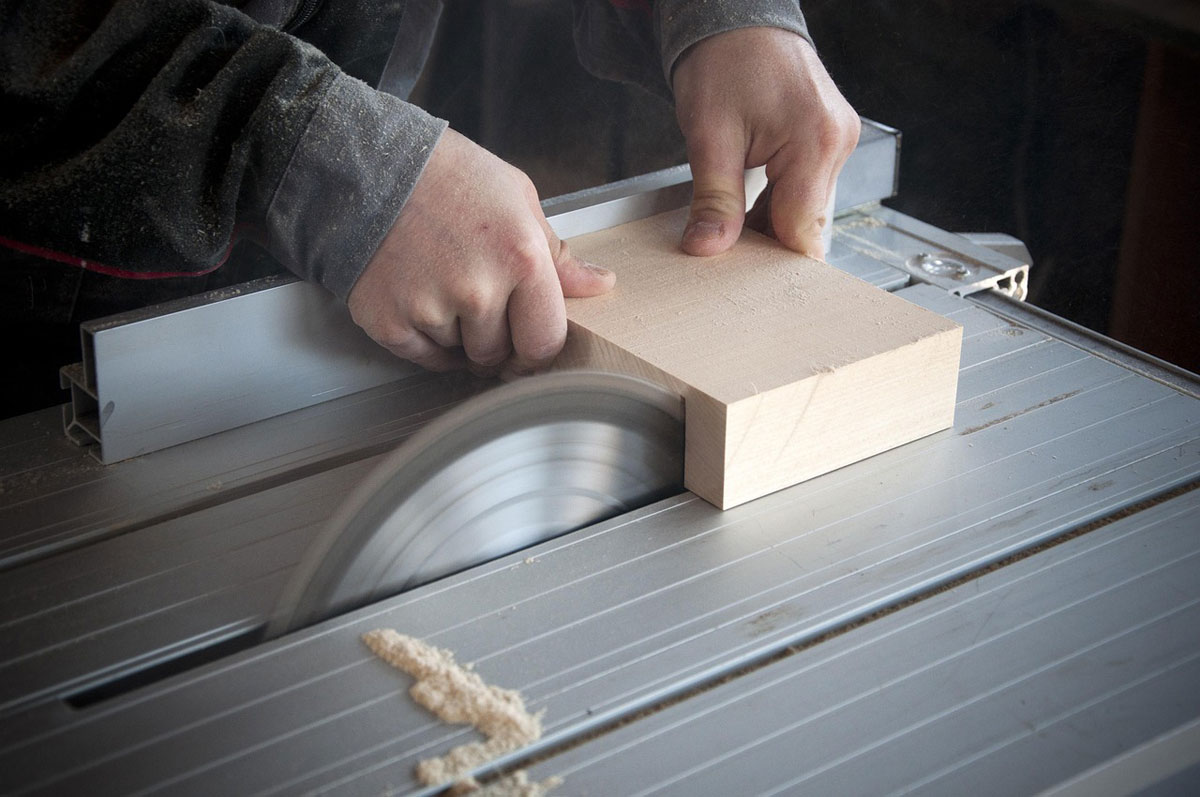
- Table saws: Versatile tools for making straight wood cuts. They come with a surface and a circular saw blade, which will stabilise the wood during the cutting process. Applications can range from cutting precise angles to ripping lumber.
- Bandsaws: Used to cut intricate patterns, shapes, and curves. They’re ideal for cutting thick stock and when handling intricate designs.
- Jointer: A tool essential for straightening and squaring the edges of boards. It’s an essential tool for projects where you need to shave off a small amount of wood to achieve a flat and smooth surface.
- Planers: Help create a smooth and uniform thickness when working on wood boards. Planers are essential tools for projects aiming to achieve surfaces ready for finishing.
The list above is basic woodworking machines. You’ll also see more specialised machines for specific woodworking tasks, such as a router that would be useful for creating decorative patterns, grooves, and edges. You can also find an all-in-one woodworking machine with multiple tools in one machine.
Before finding what machine you need to buy, you must first define what your project is aiming to achieve and how precise or detailed the work is. When you understand those points, it’ll help you find the right machine faster and easier.
Universal Woodworking Machine
When browsing for options, you might come across a universal woodworking machine. It’s an interesting option for people planning to level up their woodworking projects, as they’re technically an all-in-one woodworking machine. They’re combined machines with multiple different pieces of equipment attached in one machine. In addition, you can purchase more attachments for functionality extensions.
The most common universal option often comes as a 5-in-1 woodworking machine. It may have a surface planer/jointer, mortiser, spindle moulder, thicknesser, and a circular saw. However, there may be a variety of different brands of machines.
The Advantages of a Universal Woodworking Machine
One of the biggest advantages a universal woodworking machine offers is its multifunctionality. For those looking for a woodworking machine for a small workshop, having a universal woodworking machine would be a great space-saving tip.
Having a universal woodworking machine allows you to own one large machine to handle big projects. Therefore, your work isn’t limited to a set of smaller machines that may be unsuitable for bigger projects. You simply need to swap out blades and adjust the machine to fulfil your project’s needs.
How to Choose The Right Machine
Woodworking equipment is a long-term investment. Even if you’re only looking for a woodworking machine for hobbyists, they still require careful planning before making any purchases.
The three main factors you must consider are space availability, production needs, and budget. You should also consider the ROI. In the woodworking industry, you can measure the ROI by the total cost of the tool you just purchased against the money, resources, and time it’ll likely save in the long run. Total cost isn’t just how much you spend to buy the machinery, but also the setup, delivery, adjustments, and expected maintenance cost.
As you browse through the machine options, there are also several points that you need to check:
- Dust collection systems
- Motor power
- Cutting accuracy
- User-friendly options
- Safety features
Then, consider the parts availability and after-sales support. The right company will be able to provide great support after purchase. Meanwhile, parts availability will contribute significantly to maintenance.
You should also consider the size of your project. If you’re looking for a woodworking machine for small workshop, it’s better not to go for industrial machinery. Although they may look more professional, they’ll compete with other costs, such as marketing, delivery, rent, cash flow, etc.