Are Dashcams Worth It for UK Drivers?

Dashcam sales have gone through the roof in the UK over the past few years. Walk into any Halfords or scroll through Amazon and you’ll find dozens of options, from budget models under £30 to premium units costing several hundred. But the real question most drivers want answered isn’t which one to buy. It’s whether having one will actually make a difference when it matters.
The short answer is yes, but the detail matters more than you’d think. Stick around as we go through what a dashcam can do for your insurance, how footage holds up in a claim, what specs to focus on and where UK law draws the line on recording.
What a Dashcam Can (and Can’t) Do for Your Insurance
Some UK insurers offer a discount if you have a dashcam fitted. It’s usually around 10-15%, though it varies depending on the provider. Aviva, Admiral and a handful of others have offered small reductions in the past. That said, it’s far from standard across the industry, and plenty of insurers won’t knock anything off at all.
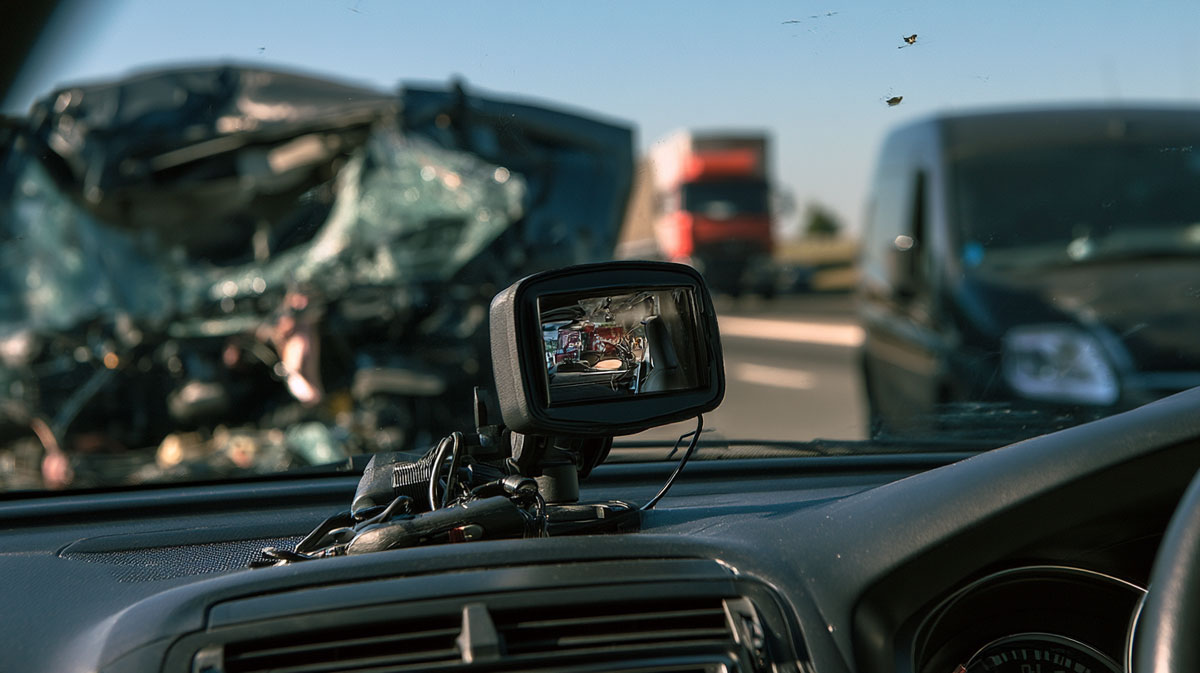
Where a dashcam really pulls its weight is after an accident. If you’re involved in a collision and the other driver disputes what happened, footage can settle the argument fast. Without it, you’re left with two competing stories, and insurers can drag their feet for months while they try to work out who was at fault.
With clear video, though, the picture is very different. Many claims that would have taken weeks or months to resolve get wrapped up in a fraction of the time.
How Footage Changes a Non-Fault Claim
This is where things get interesting. If someone crashes into you and it’s clearly their fault, you’d think getting your car repaired and costs covered would be simple. It often isn’t. The at-fault driver’s insurer can challenge liability, question the damage, or just take forever to respond.
Dashcam footage cuts through a lot of that. When there’s video showing exactly what happened, it’s much harder for the other side to argue. For non-fault drivers, that can mean quicker repairs, faster replacement vehicles and a shorter wait for any compensation owed.
How Accident Management Companies Fit In
A lot of people don’t realise that after a non-fault accident, you don’t have to go through your own insurer. Accident management companies will handle the whole claim against the at-fault driver’s insurer on your behalf. They’ll arrange repairs, sort out a replacement vehicle and chase the other side for costs, all without you paying an excess or risking your no-claims bonus.
Clear dashcam footage makes this process even quicker, because there’s less room for the other insurer to push back. Even the best accident management company can only work with what you give them, and a clear video of the collision is worth more than any written statement. Claims backed by solid footage will typically resolve faster than those built on descriptions alone.
Specs That Actually Matter
It’s tempting to go for the cheapest dashcam you can find, but a few key features will make a genuine difference if you ever need to rely on the footage.
- Resolution: 1080p is the minimum you’ll want. 4K is nice but not essential. What matters is that number plates are readable in the footage.
- Night performance: A lot of accidents happen in low light. Look for models with good low-light sensors or infrared capability.
- Parking mode: Some dashcams keep recording when the car is parked, triggered by motion or impact. Handy for hit-and-runs in car parks.
- GPS logging: This stamps your speed and location on the footage, which can help back up your version of events.
- Loop recording: All decent dashcams will record in a loop, overwriting the oldest footage when the memory card fills up. Most also lock files automatically after detecting a sudden impact, so important clips don’t get overwritten.
You don’t need every bell and whistle. A solid 1080p camera with decent night vision and GPS will cover most drivers.
A Dashcam Won’t Replace Good Driving
A dashcam is a useful bit of kit, and for the relatively small cost involved, it’s hard to argue against having one. It can protect you in disputed claims, speed up a non-fault accident process and give you peace of mind on every journey.
But it’s not a magic fix. It won’t stop accidents from happening, and it won’t automatically win every claim. What it will do is give you an honest, unedited record of what happened on the road. And in a situation where your word is pitted against someone else’s, that record can be the thing that makes all the difference.