An Interview with Actor, Gary Webster
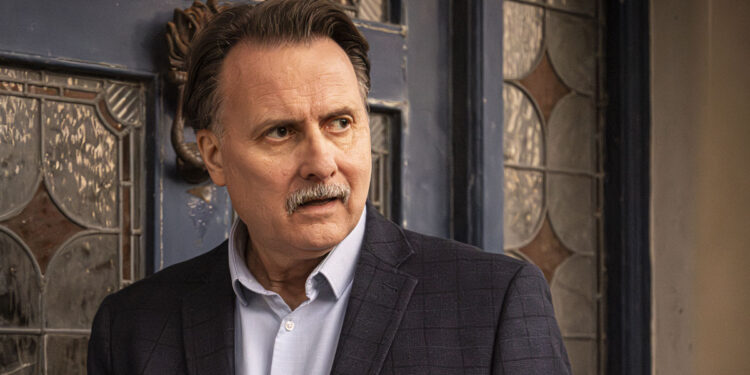
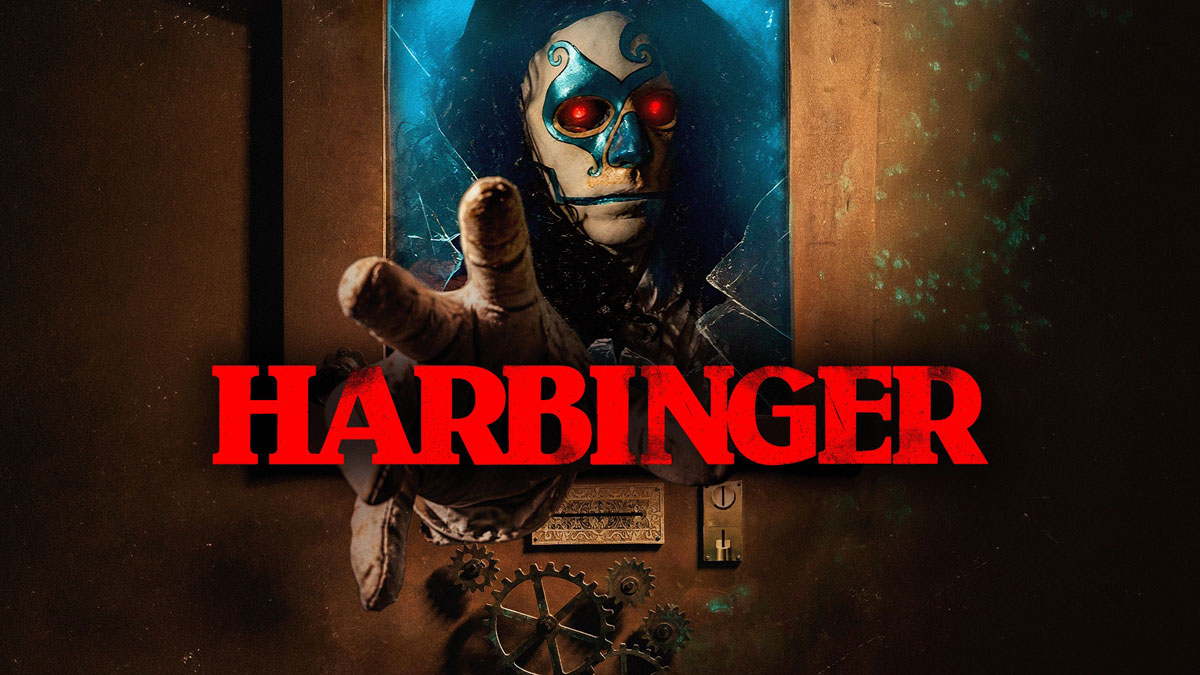
Roger Crow talks to Gary Webster about his new horror movie Harbinger, his years working on soaps, and beloved Arthur Daley saga, Minder…
Congratulations on Harbinger. Tell us about your character.
Mike is one of those maturing TV presenters who’s probably bounced around different formats over the years, morning shows, afternoon shows, daytime shows; found himself in the niche of ghost hunting. He’s made a fair career and a good living out of it. He’s bordering on Partridge, but never stepping into the territory that Steve Coogan does so brilliantly. He comes up with one last idea to resurrect his career by getting hold of the sole survivor of a serial killer, believing there could be a spiritual side to the murders. He puts two and two together and thinks, ‘My career’s on the wane, this is a great story, I’ve got to get the exclusive.’ He resurrects Spectre Investigates, his ghost-hunting show, for one last try-out, but maybe as a pilot for a new series. He’s everything to everybody, but really he’s only interested in himself.
When you work in soaps and serials, I imagine it’s one of the most underrated jobs in acting because there’s so little rehearsal time. Were all those years in soapland good training for a film like this?
It should have been, but actually things were different back when I started. On EastEnders in 1987 we had two shows a week and we had rehearsal days. They had rehearsal rooms mapped out with the sets, the Vic and all the other locations, and we’d rehearse then we’d shoot. Something like Family Affairs, yes, totally. At one point I think we shot 60 scenes in a day. There was no time for rehearsal, so you had to arrive with something already prepared. That really helps when you’re doing one-off dramas or episodes of Casualty. You’re not going to sit down with the director and have long discussions. You need to come in with an idea, hit your marks and get on with it.
I like the tongue-in-cheek feel of Harbinger.
Humour in horror is very important. It lets the audience release some tension, relax for a moment, and then when the jump comes it has twice the impact. Mike was a great vessel for that.
“We had a ball”
I recently watched your debut episode of Minder for the first time in decades. What did you learn from a genius like George Cole?
You learn so much, and a lot of it is subliminal. George was never someone who’d say, ‘Do this, move there.’ You just watched how he went about his business. One of the biggest lessons was preserving your energy. On something like Harbinger, where we were doing night shoots, there wasn’t time to be joking around all day. We’re paid to turn it on when the camera rolls. Watching George, even in his seventies, focus his energy and deliver performance after performance was amazing. There were practical lessons too. Always know where your script is, keep it organised, because you might need to check a line between takes. Then there was his comic timing. The subtlety of it. A look here, a reaction there. It was unbelievable.
Career-wise, where and when were you happiest, and why?
I was probably happiest around the Minder years. It was regular work and all the publicity that came with it. I never sought any of that attention out, but I enjoyed it. I didn’t feel pressure. I was just happy to be working.
What’s your favourite memory of working on Harbinger?
It was the camaraderie. We spent six or seven consecutive night shoots together and everyone was pulling in the same direction, from the crew to the cast, hair and make-up, everybody. We had a ball. At the end of the day, whether a film is a huge success or not, those are the memories you keep. Those are the people you’ll meet again years later. For me, it was just a good, fun shoot, and hopefully that comes across on screen.
Harbinger is out now on digital from Miracle Media
The full version of this interview can be found at podcasts.apple.com

Adopted Yorkshireman Roger Crow developed a passion for film and TV in the 1970s and 1980s. He has been a published film and TV reviewer since the 1990s; a world travel and restaurant critic since the noughties, and for the past decade has assessed the pros and cons of live gigs and theatre productions around the UK. His ideal day would involve reviewing a performance of Bat Out of Hell, followed by a Pad Thai while being serenaded by Texas on a cruise around Europe.
crowsfeat.com; nostalgiahhh film podcast