Major Touring Venues Demand Stronger Backstage Control
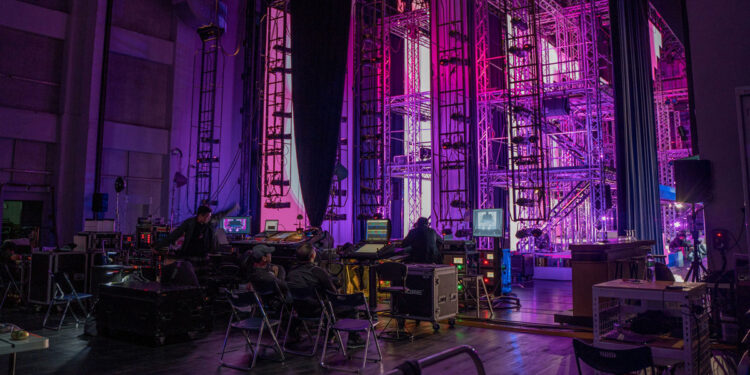
Large touring venues depend on tightly controlled backstage operations to keep performers, crews and visitors moving safely. A single event may involve hundreds of temporary workers who need different levels of access for only a few hours. Paper lists and shared passes can quickly create confusion, especially during changeovers or busy arrival periods.
Clear permissions, reliable identity checks and live oversight give venue teams the control they need without slowing down the people responsible for delivering the show.
The Influx of Temporary Touring Crews
Touring productions bring technicians, caterers, drivers, performers and local contractors into spaces normally used by a smaller permanent team. Their arrival times may shift at short notice, while substitutions and role changes can continue throughout the day. Wider touring economics also place pressure on production schedules, making efficient venue access increasingly valuable.
Ask the tour manager for a confirmed personnel list before load-in, including each person’s employer, role and expected departure time. Venue staff can then issue time-limited credentials linked to specific duties. A lighting technician, for example, may require stage and loading access from 08:00 until midnight, but no entry to dressing rooms or administrative offices. Credentials should expire automatically once that window closes.
Controlling Movement Across Sensitive Zones
Backstage should be divided into clearly defined access zones. Typical areas include loading bays, production offices, technical rooms, dressing corridors, catering spaces and the stage itself. Venue managers can assign permissions according to operational need, limiting unnecessary movement while keeping routes clear.
Physical signs help, but electronic checks provide a more dependable record of who entered each area and when. A door and cardholder management platform can help enterprise security managers and IT administrators coordinate access schedules, identities and monitoring across multiple doors or locations. During a show, control-room staff should also watch for repeated denied entries, doors held open and unusual movement between zones. These events may indicate an incorrect permission, a lost credential or someone following an authorised person through a controlled entrance.
Auditing Access Permissions in Real Time
Permissions can become outdated within minutes when a touring worker changes role, finishes early or receives approval to enter another area. Venue teams therefore need a simple process for amending access without issuing shared passes or relying on handwritten notes.
Nominate one authorised person from the venue and one from the touring production to approve changes. Every update should record who requested it, who approved it and when the revised access expires. Supervisors can review a live list at agreed points, such as before doors open and immediately before the performance begins.
Travel patterns also affect arrival schedules. The concert travel study highlights how audience and event-related transport form part of a production’s wider operational footprint. When delays occur, venue teams should adjust access windows individually instead of extending every temporary credential.
Maintaining Flow Without Compromising Safety
Strong control should support the pace of an event. If every worker queues at one entrance, production tasks may fall behind and people may start seeking shortcuts. Separate check-in points for permanent staff, touring personnel and suppliers can reduce congestion, while pre-registration allows credentials to be prepared before arrival.
Test the busiest routes during planning. A venue expecting 80 temporary workers between 07:00 and 08:00 should confirm that its check-in desk, scanners and staff can handle that volume. Keep a supervised fallback procedure for damaged passes or system interruptions, with manual entries transferred to the main audit record as soon as service returns.
After the final departure, revoke all temporary permissions and review exceptions from the day. A short report covering denied entries, late changes and doors left open gives the next event team specific issues to correct before another tour arrives.