Why the Right Venue Can Change the Entire Atmosphere of an Event
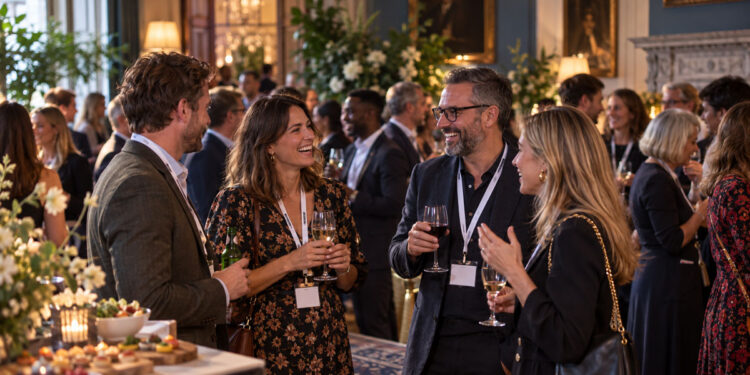
An event’s atmosphere is often described as though it comes from decoration, music or the guest list alone. In reality, the venue usually sets the tone before any of those details come into play.
The same gathering can feel intimate in a candlelit room, energetic in a busy bar, polished in a gallery or relaxed in a garden. The venue influences how people move, where they pause, how easily they talk and even how long they choose to stay. It is not simply a backdrop for an event; it is one of the main ingredients in the experience.
The venue shapes expectations from the moment guests arrive
First impressions matter because they create an immediate sense of what kind of occasion guests are attending. A grand entrance may suggest formality, while a warm, informal layout can put people at ease within seconds.
This first impression does not need to be expensive or elaborate. It might come from the building’s architecture, the lighting at the entrance, the welcome from staff or the way guests are guided into the main space. When those elements work together, people understand how to behave without being told. They know whether to find a seat, order a drink, mingle or make their way towards a focal point.
That is particularly important for events where not everyone knows each other. A thoughtful venue can reduce awkwardness by creating natural meeting points and making the space feel intuitive. If guests can easily see where refreshments are being served or identify a comfortable area for conversation, interaction becomes much more natural.
Space affects the way people connect
Room size is one of the most overlooked aspects of event planning. A space that is too large can make a modest gathering feel under-attended, while a room that is too small may create noise, queues and discomfort.
The best venue is not necessarily the biggest one available. It is the one that suits the expected number of guests and the way they are likely to spend their time. A seated dinner, for example, requires a very different layout from a drinks reception or a product launch. The availability of flexible furniture, separate areas and clear circulation routes can make a significant difference.
Think beyond capacity
A venue’s stated capacity is only a starting point. Ask how much of the room will be occupied by tables, a bar, a stage, equipment or catering stations. A space listed for 100 people may feel comfortable for 70 at a standing event but crowded when everyone needs to be seated.
It is also worth considering the balance between open space and smaller zones. Guests generally appreciate having a choice: somewhere lively for group conversation, a quieter corner for more personal exchanges and a central area where key moments can take place. This variety gives the event energy without making it feel chaotic.
Design communicates more than decoration
Interior design has a subtle but powerful effect on mood. Colour, texture, lighting and materials all influence how a room feels, often before guests consciously notice them.
Natural materials and warm lighting tend to create a sense of comfort. Clean lines and brighter illumination can feel modern and energetic. Darker tones, low lighting and rich textures may suit an evening celebration, while an event focused on learning or business may benefit from a brighter, more open environment.
This does not mean the venue must match a theme perfectly. In fact, spaces with too much visual character can sometimes compete with the purpose of the event. A strong venue provides a clear identity while leaving enough flexibility for the organiser to add personal touches.
For birthdays, anniversaries and other milestone occasions, the setting is part of the memory guests take away. Choosing a stylish setting for private celebrations can give the occasion a distinctive sense of place without requiring excessive decoration or elaborate production.
Practical details have an emotional impact
Atmosphere is not only about appearances. Guests may remember the quality of the room, but they will also remember whether they could hear the speeches, find the toilets easily or get a drink without waiting too long.
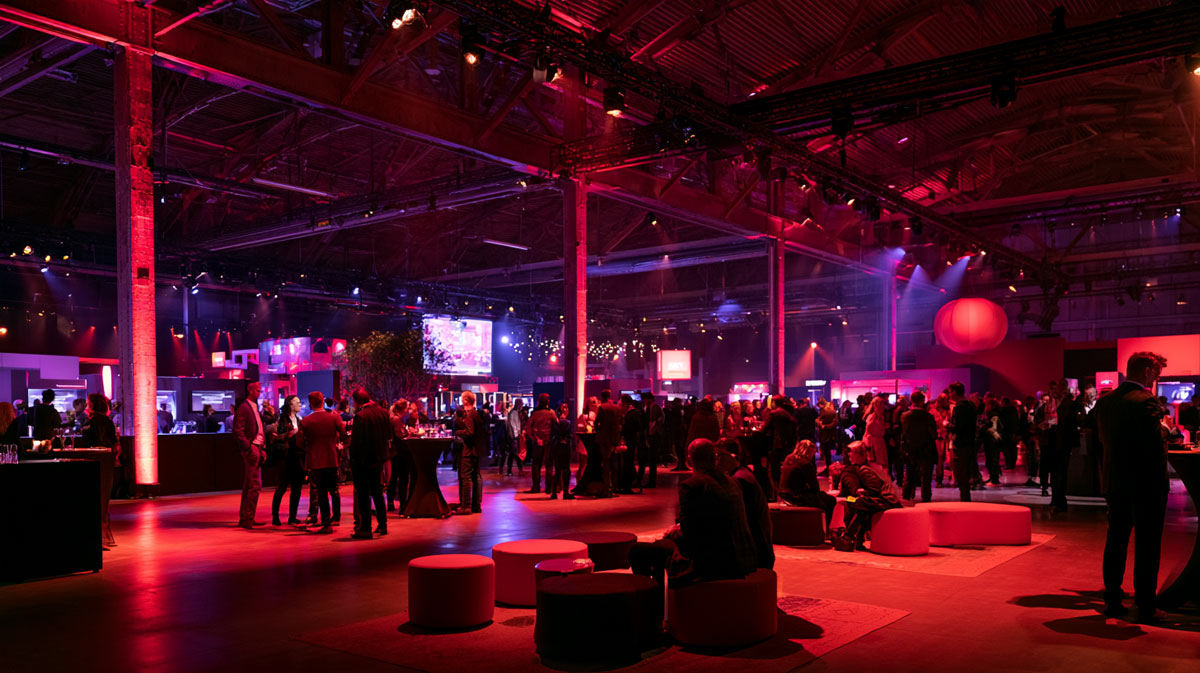
Acoustics are especially important. Hard surfaces and high ceilings may look impressive but can make conversation difficult when a room is full. Before booking, visit the venue at a similar level of occupancy if possible, or ask how it manages sound during busy events.
Temperature and ventilation matter too. A room that becomes uncomfortably warm can quickly drain energy from a celebration, while poor lighting can make even an attractive space feel uninviting. Accessibility should be considered as part of the guest experience rather than treated as a separate obligation. Step-free access, suitable facilities and clear navigation allow everyone to participate comfortably.
Service also plays a central role. Calm, attentive staff can resolve small problems before they become noticeable. Their confidence helps the event feel organised, even when the schedule changes behind the scenes.
A good venue supports the event’s purpose
Before looking at individual venues, define what the event should make people feel and do. Is the aim to celebrate, build relationships, encourage discussion or create a memorable public experience?
This question can guide every subsequent decision. A networking event may need several informal areas, while a private dinner might depend more on atmosphere, table spacing and service. A workshop requires reliable technology and good sightlines. A launch event may benefit from a dramatic entrance and enough room for guests to explore.
When the venue supports the purpose, other planning decisions become easier. The timetable feels more natural, decorations are less excessive and guests understand the occasion instinctively.
Visit at the right time
Photographs rarely show how a venue feels when it is busy. Visit in person, ideally at the time of day your event will take place. Notice the quality of natural and artificial light, the noise from neighbouring spaces and how easy it is to reach the entrance.
Try to imagine the room in use rather than empty. Where will people stand when they arrive? Where will conversations happen? Will a queue block the main walkway? Can guests see the important moments from different parts of the space?
These observations often reveal more than a venue brochure.
The best atmosphere feels effortless
A successful venue does not demand attention from the event; it supports it. Guests may not be able to explain why they felt comfortable, engaged or celebratory, but those reactions are often rooted in the environment around them.
Choosing the right venue means considering emotion alongside logistics. Look at how the space guides movement, encourages interaction and reflects the character of the occasion. When the setting, service and layout work together, the atmosphere develops naturally.
That is the real value of a well-chosen venue: it allows the event to feel coherent, welcoming and memorable without appearing overproduced. Instead of competing with the purpose of the gathering, the space quietly makes everything else work better.