The Rise of Destination-Style Celebrations in the Capital: Hosting a World-Class Event in London
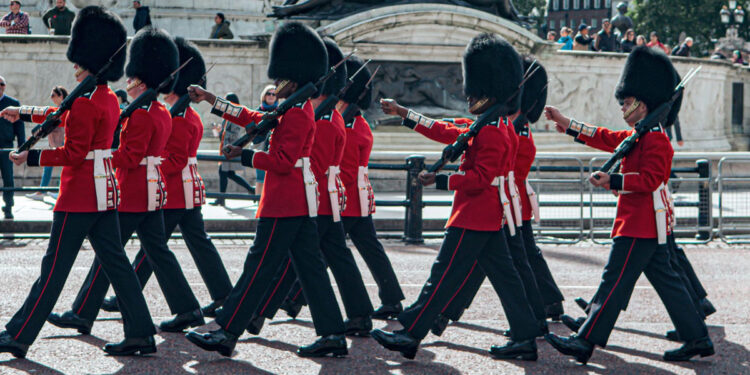
Celebrations in London that once occupied a single evening now increasingly stretch across arrival days, satellite events, and departure brunches. London attracts these destination-style celebrations because its concentration of airports, hotels, and heritage venues allows guests to gather from around the world and remain connected throughout a multi-day programme.
The appeal is easy to understand. Hosts can imagine formal dinners in historic buildings, private gatherings in established hotels, and large-scale productions against one of the world’s most recognisable backdrops. However, the same density that makes these ideas possible also complicates their delivery. Transport, accommodation, permissions, suppliers, and venue restrictions must work together across several days, making execution considerably more demanding than the initial vision suggests.
What Makes an Event Destination-Style Rather Than Just Large
A destination event runs on a programme rather than a single start time. It combines an arrival experience, a main occasion, and at least one satellite event across two to four days. Most importantly, guests travel and stay.
As a result, the accommodation block, transfers, and downtime become part of the event design rather than logistics happening in the background. Guest duration matters more than guest count. A 90-person celebration held across three days fits the definition, while a single dinner for 600 people does not.
That distinction shifts the planning focus away from one venue and one start time. Instead, the centre of gravity becomes an interconnected itinerary that shapes how guests experience the destination from arrival through departure.
Why London Keeps Winning These Bookings
London’s advantage is not simply glamour. Its transport links, hotel inventory, venue range, and established hospitality network allow complex programmes to operate within one city. The scale reflected in official international visitor data also demonstrates the infrastructure available to event hosts throughout the year.
Arrival Logistics That Suit Guests From Anywhere
Six airports, Eurostar, and multiple mainline termini allow guests from three continents to reach the same postcode within a relatively narrow arrival window. Heathrow handles much of the long-haul traffic, while rail connections bring European and domestic guests directly into central London.
Hotel density adds another practical advantage. A host can secure a 200-room accommodation block near Mayfair without automatically dividing guests across several boroughs. If the preferred property sells out, comparable inventory often exists nearby, keeping transfers, breakfast gatherings, and informal downtime within the intended neighbourhood.
Venue Range From Listed Halls to New Arenas
London can support very different moments within the same itinerary. Livery halls and Georgian townhouses provide formal settings, while members’ clubs accommodate private receptions and smaller satellite events. Riverside venues, warehouses, and purpose-built arenas can meet larger production requirements.
That variety allows one city to host a black-tie dinner and a 5,000-person brand launch during the same week. London is also instantly recognisable on camera. Content featuring its skyline, streets, or historic architecture communicates the location without explanatory captions, giving brands and host committees a commercially useful visual identity.
Three Types of Host, Three Different Briefs
A host committee, a brand, and a private client might book similar venues, but they do not commission the same event. Their approval processes, measures of success, and tolerance for change produce materially different briefs, even when the destination and guest numbers are comparable.
Regional Host Committees and Public Accountability
A host committee works backwards from formal sign-off. Procurement requirements, multiple approving bodies, and scrutiny of published spending make a 12- to 18-month runway normal for complex programmes.
Creative decisions must survive governance as well as aesthetic review. Once contracts and permissions have passed through the approval chain, late changes become difficult because they can affect procurement compliance, security plans, and agreed public costs.
Brands Buying Outcomes, Not Evenings
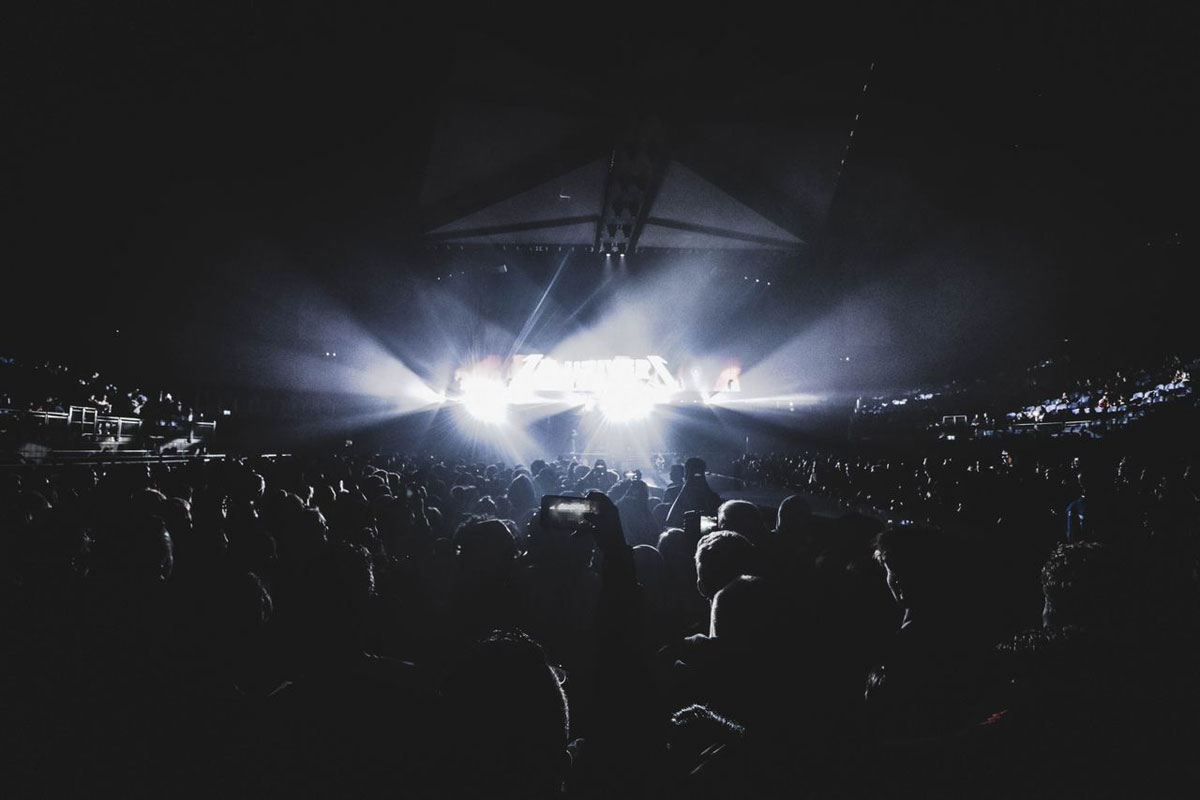
Brands usually work toward a fixed campaign date and judge success through media output, guest yield, and pipeline rather than attendance alone. Their budgets therefore favour production, content capture, and differentiated hospitality tiers over decorative volume.
The guest experience must also generate usable commercial material. Staging, lighting, access, and scheduling need to support live attendance while giving content teams the time and sightlines required to capture the event properly.
Private Clients and the Discretion Premium
Private clients often plan around a fixed family date, regardless of venue availability. Privacy narrows the supplier pool because a non-disclosure agreement alone does not prove that a team understands closed guest lists, restricted photography, or no-phone policies.
Private hosts therefore tend to work with a narrow circle of security consultants, luxury party planners, and caterers who have handled closed guest lists before. Familiarity with discretion becomes part of the selection standard.
The Numbers Behind a London Celebration
Published venue prices rarely represent the final event cost. Catering thresholds, access hours, staffing, production restrictions, and security can all change the total. Accordingly, early figures should be treated as indicative ranges rather than quotes.
Venue Hire and What Actually Moves the Price
Indicative venue hire can start at around £2,000 for a private dining room and rise to £25,000 or more for exclusive hire of a landmark space. Heritage properties and riverside venues generally occupy the upper end.
Four factors drive most price movement: peak season, day of the week, exclusive use, and the minimum spend on food and drink. Demand is typically strongest from May to July and September to December. At some venues, the minimum spend exceeds the room fee.
A listed building can also carry costs linked to restricted capacity, protected interiors, and shorter permitted hours, not simply prestige.
How Planner and Organiser Fees Are Structured
Planner fees generally follow three models. A percentage fee commonly falls within an indicative range of 10 to 20 percent of total spending, while a flat project fee covers a defined scope. A day rate usually applies to on-site coordination after the host has developed the event.
The distinction is operational. Full-service event management covers supplier negotiation, contracting, timelines, compliance ownership, and delivery. Coordination-only provides decision-making and oversight on the day.
For a destination programme, the full-service model bridges the gap between the creative vision and the contracts, movements, and permissions required to realise it.
Where London Makes Execution Difficult
London’s density creates choice, but it also creates friction. Plans often change late because borough rules, venue restrictions, and supplier availability become visible only after the creative concept has advanced.
Permissions, Curfews and Listed Buildings
A temporary event notice, premises licence variation, or late-licence application sits with the relevant borough. Two venues a mile apart can therefore face different requirements and processing times.
Noise restrictions and a curfew can end outdoor music or fireworks earlier than expected, particularly at riverside sites and venues near homes. The running order must work backwards from that limit.
In protected properties, listed building consent and venue conservation rules can restrict rigging points, fixings, power routing, and open flames. Production design needs technical approval before aesthetic approval has practical value. Road closures, security measures, and crowd management add further lead time for events with public visibility or high-profile guests.
Supplier Availability in a Constrained Market
Premium catering, transport, and production supplier diaries fill early during peak season. Additional budget does not solve the problem once the appropriate crews, vehicles, or equipment have been committed elsewhere.
Lead time and established working relationships are therefore decisive. A full-service event management company in London coordinates availability across suppliers before individual decisions create conflicts. This matters across a multi-day itinerary, where a delayed load-in at one venue can affect transport, staffing, guest arrivals, and the following satellite event.
Judging Whether a Plan Is Actually Complete
A practical test is the five-C framework:
- Concept: What the event is intended to communicate or celebrate.
- Cost: A costed budget with a realistic contingency.
- Customer experience: The guest experience from invitation and arrival through departure.
- Compliance: Ownership of licences, permissions, safety requirements, and logistics.
- Coordination: Clear on-site authority for decisions and changes.
Most plans give concept and cost the greatest attention. However, compliance ownership and coordination often remain vague until the final fortnight, when changes become expensive and decision rights are hardest to clarify.
A destination format also multiplies potential failure points. A plan covering only the main evening ignores arrivals, transfers, accommodation, downtime, and satellite events.
For brands and commercial organisers, completeness includes return on investment. The plan should state whether payback comes from sponsorship, guest yield, media output, or pipeline. Spreading activity across several days automatically spreads costs, but it does not automatically improve the return.
The City Sets the Stage, the Plan Sets the Standard
London’s connectivity, hotel density, and venue variety make a multi-day celebration possible. Yet the same concentration brings borough-level permissions, curfews, protected buildings, and suppliers whose peak-season calendars fill early.
The strongest destination-style events treat the itinerary and its permissions as the product. The venue remains important, but it is one component within a plan that holds guest movement, budget, compliance, and delivery together.