The Soundproof Windows Review: Timber Acoustic Glazing for Listed Buildings
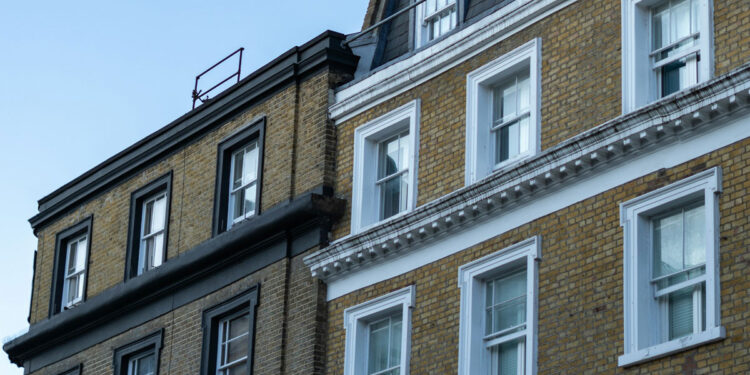
Single-glazed sash windows can be a major weak point in period properties affected by road, rail or aircraft noise. The difficulty is that improving acoustic performance is not always as simple as replacing the windows, particularly in listed buildings and conservation areas where architectural character and planning requirements also matter.
The Soundproof Windows is a London-based, acoustician-led specialist in bespoke timber acoustic windows, secondary glazing and acoustic doors. Its approach is built around diagnosing the actual noise problem first, then specifying a solution that fits both the building and the source of the disturbance.
What the Company Actually Does
The Soundproof Windows starts with the noise problem rather than a fixed product recommendation.
The company assesses the property, the existing windows, the surrounding structure and the type of noise affecting the space, whether that is road traffic, aircraft, railway noise, nightlife or another external source. From there, it recommends an acoustic window, secondary glazing or door system suited to the specific conditions.
That engineer-led approach matters because not every noise complaint has the same cause. Sound may be entering through the glazing, frame seals, wall construction or a combination of weak points, so choosing a product without first understanding the source can lead to disappointing results.
The World Health Organization’s environmental noise guidance also treats sustained exposure to road, rail and aircraft noise as a public-health concern, rather than simply a comfort issue. The company positions this process as acoustics-led rather than sales-led, which fits the client brief well: diagnose first, specify second.
Built for Period Homes and Heritage Properties
The defining feature of the business is not acoustics alone. It is the combination of acoustic engineering and bespoke timber joinery.
The Soundproof Windows designs timber sash windows, secondary glazing and doors for period homes, listed buildings and conservation areas, where preserving architectural details such as proportions, glazing bars, sightlines and original external fabric can be as important as reducing noise.
Planning requirements vary by property. In conservation areas, like-for-like replacement may sometimes be permitted, while Article 4 Directions can introduce additional restrictions. Listed buildings require greater care, and alterations affecting their special architectural or historic interest may need consent.
Secondary glazing is often considered first in listed properties because it allows the original external windows to remain in place while adding an independent acoustic system internally. Guidance on historic windows also notes that secondary glazing can improve thermal and acoustic performance while helping retain original windows. The company also designs bespoke replacement timber windows where that is the more appropriate route.
The Numbers Behind the Claim
The Soundproof Windows says some of its systems can reduce perceived noise by up to 95%, depending on the property, the noise source and the specification used.
That figure should not be treated as a guaranteed result for every home. Acoustic performance varies according to factors such as the existing window, glass specification, air gap, seals, installation quality and the frequency profile of the noise.
The company’s case studies provide more useful context than a headline percentage alone. In one Grade II listed Bow Quarter apartment affected by railway noise, bespoke timber secondary glazing reduced the measured average sound level by 17.0 dB and the maximum recorded level by 24.1 dB.
That kind of measured result is a stronger way to understand the company’s approach because it shows how performance is tied to the individual building rather than a universal promise.
Secondary Glazing vs Full Replacement
Homeowners usually end up comparing two main routes.
- Full window replacement removes the existing frame and replaces it with a new acoustic window. This can be appropriate where planning rules and the condition of the existing windows allow it.
- Secondary glazing adds a separate internal window behind the original one. This preserves the external appearance and creates an additional air gap that can significantly improve acoustic performance. It is often considered particularly suitable for listed buildings and conservation-sensitive properties because the original windows can remain untouched.
The correct route depends on the property, planning constraints and the type of noise rather than one option being universally better.
For anyone unsure which interventions are likely to be permitted, a broader guide to home security for homeowners can also be useful when thinking about windows as part of the wider performance and security of the property.
Recognition and Trust
The Soundproof Windows has several third-party trust signals alongside its specialist positioning.
The company is Trading Standards Approved through the Buy With Confidence scheme, TrustMark registered and offers up to a 10-year insurance-backed guarantee on its products through the Consumer Protection Association.
It has also received industry recognition. Following awards in 2020 and 2021, the company was named Best Acoustic Window & Door Installation Company – London at the SME News Awards 2022.
Those credentials do not guarantee a particular acoustic result, but they provide useful evidence that the business operates as a specialist installer rather than simply adding soundproofing language to a generic glazing service.
Where It Falls Short
No company fits every brief and a few honest trade-offs are worth flagging.
- Heritage focus means a narrower remit. A homeowner in a new-build with no conservation constraints might find the bespoke timber approach more than they need, since a standard acoustic double-glazing unit could solve the same problem more simply.
- Assessment-led work takes longer upfront. Diagnosing the noise source properly before specifying anything means this isn’t a same-week turnaround job in the way a generic glazing quote might be. That’s the trade-off for getting a solution matched to the actual problem rather than a one-size product.
Installation is concentrated in London. Supply-only options exist for other parts of the UK, but anyone wanting the full installed service outside London should check that it’s available in their area before assuming it is.
Where It Fits Best
The Soundproof Windows is particularly well suited to owners of period homes, listed properties and conservation-area buildings affected by serious external noise.
Its strongest use case is where standard replacement glazing is either inappropriate, difficult to approve or unlikely to preserve the character of the property. Road, rail and aircraft noise are all problems the company specifically addresses.
It can also make sense for homeowners who want an acoustician-led assessment rather than choosing a window product first and hoping it solves the problem.
The approach may be more specialist than necessary for a modern property with no planning constraints and a relatively simple noise issue, where standard acoustic glazing may be sufficient.
Service Area and Installation
The company is based in London and focuses heavily on projects across Central and Greater London.
It offers several installation levels, from basic fitting through to more comprehensive installation and making-good services. Supply-only arrangements are also available in some circumstances, although customers outside London should confirm installation and delivery availability directly before assuming the full service is offered in their area.
The Verdict
The strongest argument for The Soundproof Windows is not the 95% figure by itself. It is the methodology behind the recommendation.
The company combines acoustics-first diagnosis with bespoke timber joinery designed for period homes, listed buildings and conservation areas. That gives it a clear niche among glazing firms: solving serious external noise without automatically sacrificing original architectural details.
For a homeowner dealing with traffic, railway or aircraft noise in a heritage property, an engineer-led assessment can be a sensible first step before deciding between replacement acoustic windows and secondary glazing.