Is Buying Second-Hand Business Equipment a Smart Financial Decision?
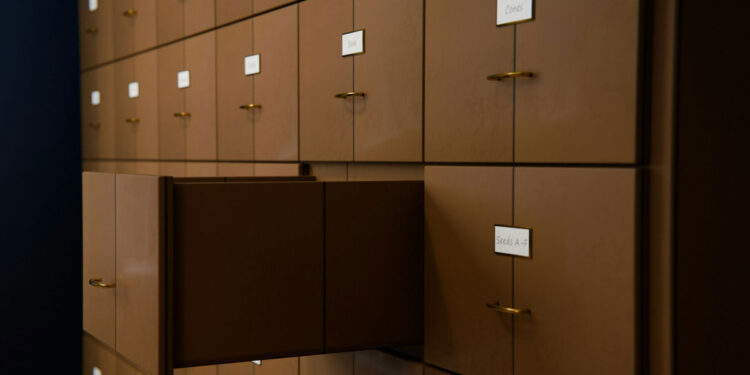
It can be quite expensive to set up a business, and one of the expenses that eat up capital is business equipment. Many entrepreneurs think they need to buy everything brand-new, but with second-hand equipment, you can maintain functionality and still reduce spending. You just need to know what is worth buying second-hand, and what might end up being a costly mistake.
The Financial Case for Buying Used
The lower cost is the main reason and advantage of going for second-hand equipment. Compared to brand-new equipment, used equipment is considerably cheaper. As a result, you get to save money for other expenses like wages, marketing, and so on.
You also need to consider depreciation. Once you begin to use a new piece of equipment, it generally loses its value. Some assets even experience a very steep decline within the first few years. On the other hand, if you go for used equipment, much of that initial loss has been absorbed by the original owner.
The issue of depreciation therefore becomes crucial when businesses need to either replace or resell the equipment. If an asset from an established manufacturer is well maintained, there’s the possibility it might retain reasonable resale value. However, this depends a great deal on factors such as:
- The age of the equipment
- Condition of the equipment
- Demand for the equipment in the second-hand market
For a business that wants to open a new premises, what’s considered ordinary purchases can easily add up. You need to know which items don’t necessarily have to be brand-new. Typical examples are desks, shelving units, filing cabinets, commercial kitchen equipment, and lockers. Going for a combination of new and used lockers might give your business more flexibility when you fit out areas like staff rooms and shared facilities.
Check the Condition Before Committing
Before you make payment, here are checks you must make:
- Maintenance history: Ask for service records and previous repairs.
- Physical condition: Examine the piece of equipment for rust, cracks, worn components, structural damage, and signs of improper repairs.
- Compatibility: Check dimensions, power requirements, and whether the equipment will work with existing facilities.
- Replacement parts: Establish whether spare parts are readily available and whether qualified technicians can service the item.
- Expected lifespan: Consider how long the equipment is likely to remain useful under the demands of the business.
Where Should Businesses Look for Second-Hand Business Equipment?
You can get pre-owned commercial equipment from reputable dealers, specialist suppliers, auctions, and business liquidations. However, you must ensure that you investigate the reputation of the seller. You should also ask them for clear information about the history and condition of the item.
These checks apply across different industries. For instance, if a business is looking for second-hand school lockers, they can find listings from suppliers such as the SchoolLockers brand. In the same vein, if you are considering lockers for sale for offices, you still need to apply these checks.
Endnote
If you’re starting a new business or about to expand it, it can be a sensible financial decision to buy second-hand business equipment. However, your choice should factor in reliability, safety, and suitability. This is why you need to carefully inspect the piece of equipment before you make payment.