A Guide to Gate Hardware and Locking Options for Aluminium Gates
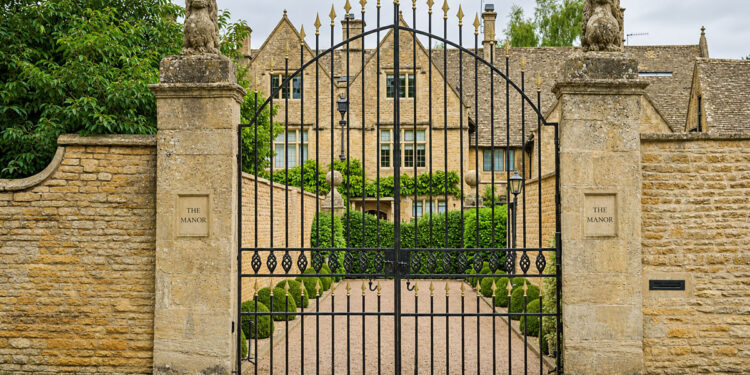
The hardware fitted to a gate often determines how secure and convenient it feels far more than the gate design itself. Digital keypads, sash locks, and drop bolts each suit different situations, and choosing the wrong combination can make a well-built gate frustrating to use every day. Suppliers such as Aluminium Gates offer several hardware combinations across their driveway, garden, and pedestrian ranges.
Sash Locks and Traditional Key Access
A sash lock remains the simplest and most familiar option for many homeowners, operating with a standard key much like a front door lock. This type of lock suits households that prefer a physical key over a code, and it generally costs less than digital alternatives. The main drawback is needing to carry a key at all times, which can be inconvenient when you arrive home with hands full of shopping or garden tools. You can cut spare keys cheaply and give them to trusted family members or neighbours, offering a simple form of shared access without any electronics.
Digital Keypads for Code-Based Entry
A keypad lock removes the need for a physical key, relying instead on a numeric code that you can share with family members or change if it is ever compromised. This option suits households with children who might lose a key, or properties where several people need regular access without each needing their own copy, and where weatherproofing matters, since a poorly sealed unit can suffer in prolonged wet weather common across the UK. Battery-powered models need occasional checks to avoid unexpected lockouts, so choosing one with a clear low-battery warning is worth the small extra cost.
Drop Bolts for Added Security on Double Gates
Double leaf gates benefit from a drop bolt fitted to the inactive leaf, locking it into the ground or a receiving socket so that only the active leaf needs to be opened for daily access. This creates a more secure closed position than relying on the main lock alone, since it prevents the inactive leaf from being forced open independently. Drop bolts work well alongside either sash locks or keypads, adding a layer of security rather than replacing the primary locking mechanism. Keeping the ground socket clear of debris and leaves is a simple habit that keeps a drop bolt working smoothly through every season.
Self-Closers for Gates Used Frequently
A self-closing hinge or arm ensures a gate swings shut automatically after each use, which matters particularly for households with young children or pets who might otherwise leave a gate open by accident. These mechanisms need occasional adjustment to maintain the correct closing speed and tension, especially after seasonal temperature changes affect how metal components move. Choosing a self-closer rated for the specific weight of a gate helps prevent premature hinge wear. A closing speed that is too fast can also become a minor safety concern around young children, so testing and adjusting the tension after installation is worth the extra few minutes.
Preparing Hardware for Automation Later
Even a gate installed with manual hardware today can often be prepared for automation later, as long as the initial specification allows it. Choosing hinges and locks compatible with common automation systems from the outset avoids replacing the hardware entirely if a homeowner later decides to add a motor. Discussing this possibility at the point of ordering, rather than after installation, keeps the option open without unnecessary upfront cost. Running a cable duct beneath the driveway during initial groundwork, even without fitting a motor straight away, saves considerable disruption if you add automation a few years down the line.
Choosing Hardware That Suits Daily Use
The right hardware combination depends on how a gate gets used day to day, how many people need regular access, and whether automation is a future possibility worth planning for now. Many reputable suppliers offer a wide range of gates with sash locks, keypads, and drop bolts across driveway, garden, and pedestrian ranges, giving homeowners the flexibility to match hardware to their household rather than accepting a single default configuration. Thinking through daily routines before ordering avoids the cost and inconvenience of upgrading hardware again shortly after installation.