What Homeowners Should Know Before Replacing Windows
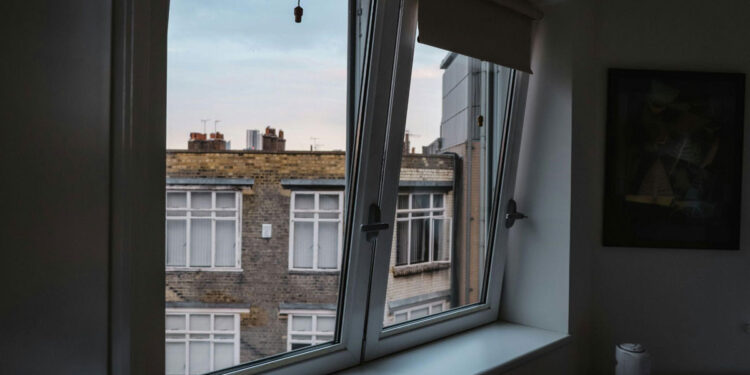
One of the biggest home renovation choices a homeowner will make is replacing windows, which has long-term effects on thermal performance, acoustic comfort, security, kerb appeal, and operating expenses. More consideration should be given to the product, installation, and specification selection than is often the case. The best preparation a homeowner can do is to know what to look for before speaking with a supplier. Companies like Replace Windows Limited provide double glazing options in a variety of styles and performance levels.
Why Windows Matter More Than They Appear To
The weakest part of a building’s thermal envelope is its windows. Even a well-insulated wall loses heat at a fraction of the rate of a poorly designed window, and in older houses with single or early double glazing, windows make a significant contribution to total heat loss.
In addition to thermal performance, windows have an impact on the amount of natural light that enters a house, the degree of outside noise attenuation, the security of the property, and the appearance of the house from the street. Instead of concentrating on one aspect at the expense of others, a replacement program that takes into account all of these factors yields a result that is actually better rather than just newer.
Understanding Glazing Specifications
A unit made up of two glass panes with a sealed space between them is referred to as double glazing. The gap’s breadth, what fills it, and the kind of glass used all affect how well that unit works. The thermal performance of standard double glazing with an air-filled cavity is moderate. By reflecting thermal radiation back into the space, argon gas-filled units equipped with low-emissivity glass coatings function noticeably better and reduce heat loss via the glass itself.
By adding a second cavity and a third pane, triple glazing enhances heat performance and offers better acoustic attenuation. Although the extra weight and expense are worth taking into account, the long-term advantages outweigh the higher initial cost in houses where heat retention and noise reduction are top concerns.
Frame Materials and Their Trade-Offs
When it comes to a window’s overall function, the frame is just as crucial as the glass. Because they are low maintenance, thermally efficient, and come in a variety of shapes and colours, uPVC frames are the most commonly specified in residential replacement projects. Timber frames are frequently needed in conservation areas or listed buildings because they provide a warmth and authenticity that uPVC cannot match, but they require greater upkeep over time.
Aluminium frames are robust, lightweight, and appropriate for modern architectural designs that prioritise sight lines. With the addition of thermally broken profiles, which disrupt the conductive channel through the frame that previous aluminium systems were unable to handle, their thermal performance has significantly improved.
Planning Permission and Listed Building Consent
There are significant exceptions, but most window replacements in typical residential buildings don’t need planning approval. Before windows are replaced, properties in conservation areas, those that are listed, and some new developments with restricted requirements linked to their planning permission may need approval. In these situations, restrictions may apply to replacement windows’ style, material, and colour.
The expense and inconvenience of having to replace non-compliant windows a second time can be avoided by verifying the location before committing to a specification. Before hiring a supplier, it is important to confirm with the local planning authorities what applies to a particular property.
Energy Ratings and What They Tell You
Similar to how home appliances are rated, replacement windows have energy ratings that condense their thermal performance into a single number. Better thermal performance across the frame, glass, and any improvements made to the glazing unit is indicated by a higher rating.
These ratings offer a helpful foundation for comparing goods from various suppliers, but they should be read in conjunction with the unit’s specific U-value, which is the measurement of heat flow through the window per square metre and provides a more accurate picture of thermal performance in relation to the heat loss profile of a given property.
Choosing an Installer You Can Trust
Whether a well-specified window operates to its rated standard depends on the quality of the installation. Even the best product is compromised by poorly fitted frames that permit air intrusion, insufficient sealing around the reveal, and poor finishing. Basic due diligence that pays off is confirming that an installer has the necessary industry accreditations, can provide references from similar projects, and offers a significant guarantee on both product and installation.
Window replacement is a long-term investment. Selecting the appropriate specification, material, and installer early on guarantees that the work will result in long-lasting increases in comfort, productivity, and property value.