Front Door Colour Trends 2026 – top picks for UK homeowners
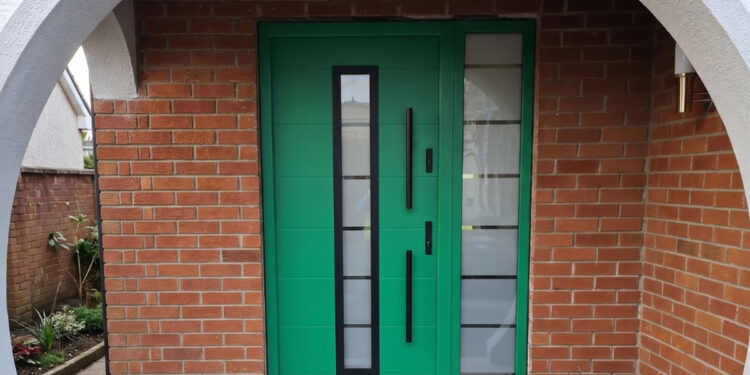
Replacing your front door is one of those changes that makes a difference and colour plays a big part in that. For a long time, most homeowners in the UK stuck to safe options: grey, white, black. These shades are simple and predictable. However, by 2026, the trend is going in a different direction. The same colour preference trends are continuing, although the focus has shifted toward warmer hues, natural tones, and personalisation.
In this article, we’re going to discover the most inspiring front door colours for this season. Let’s have a closer look!
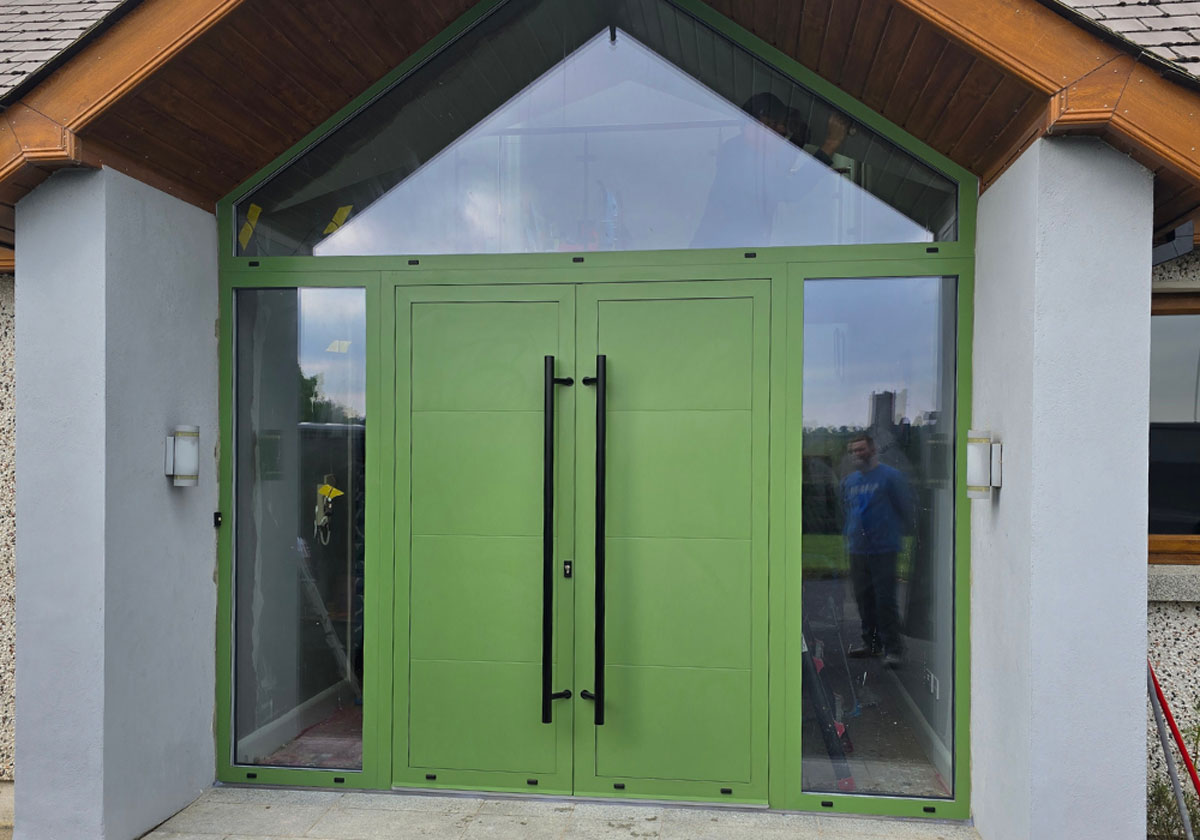
Green shades – from soft sage to deep forest tones
Let’s start with something that has been getting recognition for a while now. This colour is literally like a relief for the eyes and the soul. Can you guess which one we’re talking about? Yes – green in various shades! This colour feels natural, calm and blends surprisingly well with many different types of homes.
Softer shades like sage green are slightly muted and understated, making them a good alternative to the usual greys. They look wonderful with classic brick houses, but also look great against lighter renders where they add just enough contrast without standing out too much.
Deeper greens, like forest or olive tones, create a bit more refined look. They pair well with traditional-style homes and darker hardware finishes.
If you want something with a bit more character, but still easy to live with long term, green is definitely one of the safest trends to consider in 2026.
Blue shades – favourites that aren’t going anywhere
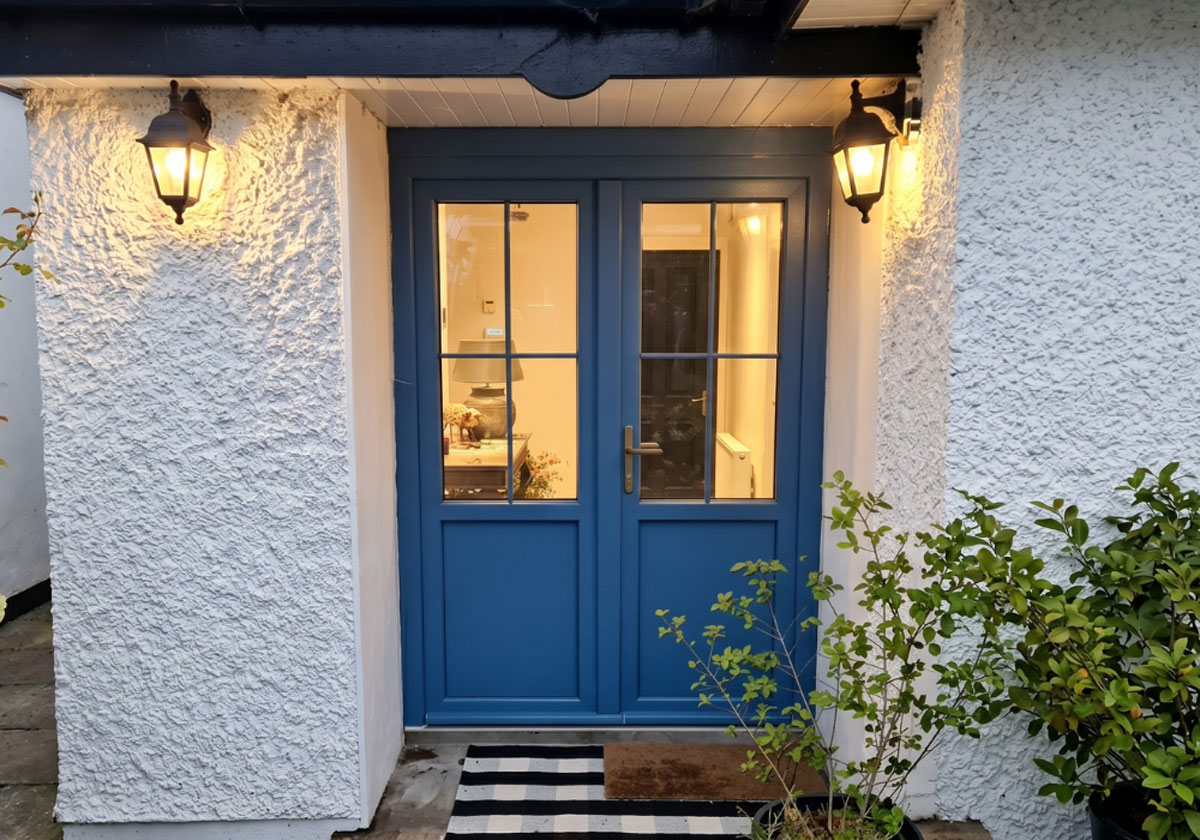
Cobalt? Teal? Perhaps ultramarine? So many shades to choose from! Blue front doors have been trendy in the UK for years, and it looks like they aren’t going anywhere soon. It’s the colour that is commonly associated with trust, calm, harmony and peace.
Tones like navy or steel blue are a thoughtful choice since they suit so many different types of homes. They can add life to the building, but still feel quite safe and timeless.
Blue works just as well with period houses as it does with more modern properties. And depending on the chosen finish or accessories, it can look either more classic or a bit more contemporary.
Charcoal – a softer take on black
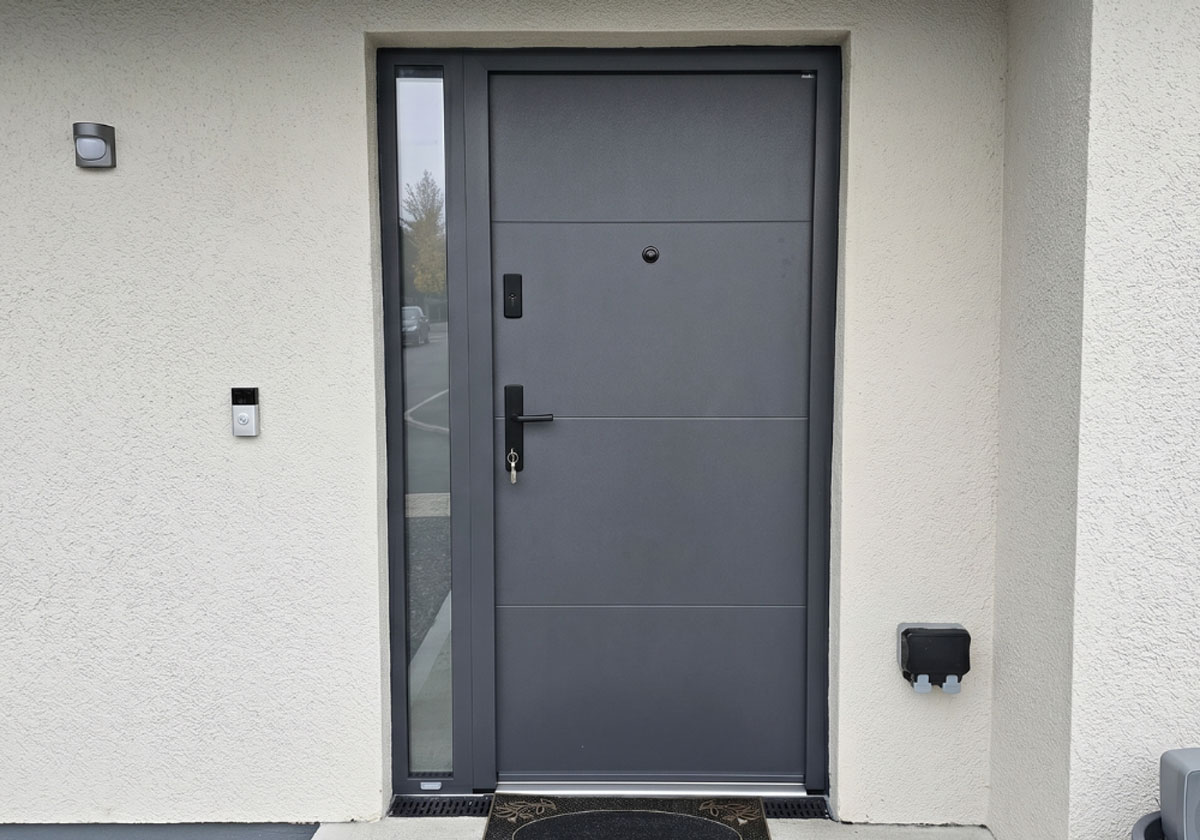
Yes, no doubt black doors are a classic of the genre, which we wrote about at the beginning of the article. However, homeowners are now looking around for something different than anthracite, known as the most popular colour trend in interior design. The focus is on something between light black or a very dark grey. You could call them “soft blacks” – specifically, the colour known as charcoal.
This shade can be described as versatile. It complements modern, minimalist homes as well as period estates. It creates a beautiful contrast with natural wood and light stone. And how does it behave in the sun? In direct sunlight, charcoal reveals its true depth. Unlike standard black, it doesn’t feel flat or heavy. Instead, it softens, showing subtle gray undertones that make the front doors look elegant and multidimensional.
Cosy neutrals – cream, beige and clay tones
We all understand that picking cream or beige for your doors may be nothing groundbreaking and revolutionary about it. However, that’s why these colours have stayed relevant for so many years – they have an incredible power to make any visitor feel welcomed from the second they enter the place.
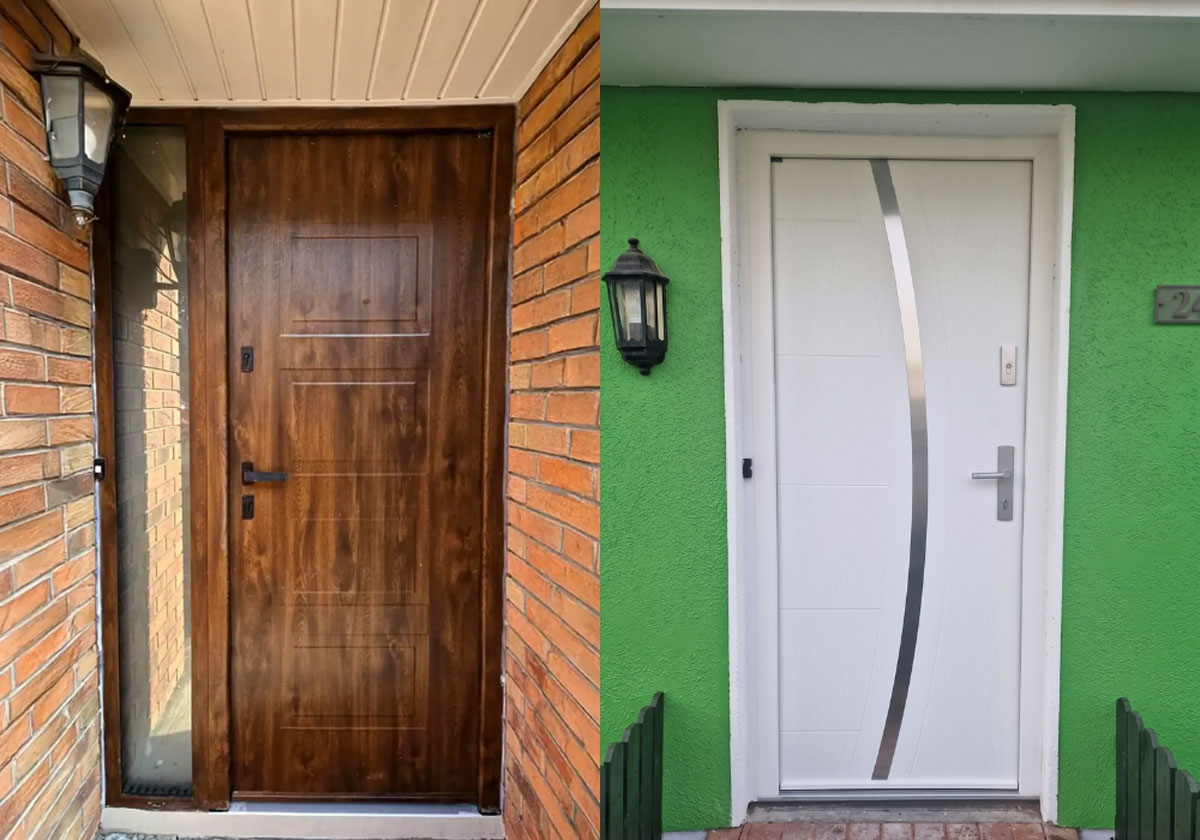
These colours are very reliable if you have a brick home. Whether your bricks are pale and sandy or deep and dark, these neutrals pull everything together into one harmonious, balanced look. Not to mention they fit basically every wall colour. And if you add some gold or brass hardware? It’s a match made in heaven. Those warm tones create a pleasure feeling of cosiness and safety that never goes out of style.
Warm browns – welcoming and elegant
Some colours just make a house feel warmer the moment you look at it. Warm browns definitely fall into that category.
Shades like walnut or mocha are often chosen in wood-effect finishes on composite doors, which only adds to their natural and cosy look. They suit brick houses particularly well and help create an entrance that feels calm, balanced and inviting.
Warm browns also pair beautifully with black details, glass panels or brass hardware. It’s not the boldest trend of 2026, but definitely one that feels timeless and easy to live with long term.
Not only colour matters
While this article focuses mainly on the best colours, we can’t forget about the technical parameters of the door, too.
In the purchase process, you should pay attention to how the door is going to perform over time. Security is one of the main aspects here. Modern doors should come with multi–point locking systems, which secure the door in several places along the frame, not just at one central point. You might also come across terms like RC2. This refers to a recognised security standard that confirms the door has been tested for resistance against break-in attempts using basic tools. For many, it’s a reassuring level of protection. Thermal performance is another factor worth checking. This is usually described with a Ud value – the lower it is, the better the insulation.
Remember: a reliable door supplier should always be transparent about these technical details. Their customer service should help you choose an entrance door that fits the climate in your region, the style of your building, and your budget, while providing a dependable quote and all necessary certificates.
Conclusion
Front door trends are constantly evolving. A few years ago, we all can remember that most homeowners went for usual greys or classic black. Today, more people are looking at warmer tones, natural shades and colours that feel a bit more personal.
At the same time, it’s no longer just about choosing a colour. Trusted, solid suppliers now offer a much wider range of options than before – from different door styles and finishes to decorative glazing, hardware and dozens of colour variants.