Why Yorkshire Small Businesses Are Rethinking How They Send Orders
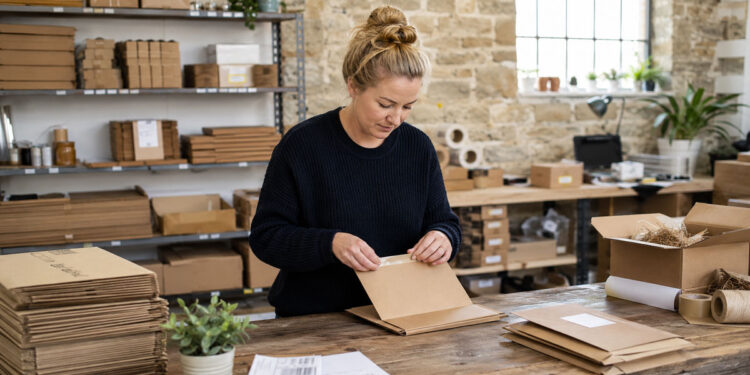
Small businesses across Yorkshire are changing how they package and send customer orders as operational costs continue rising and customer expectations evolve. Packaging is no longer viewed as a simple finishing step before dispatch. It now affects postage costs, storage efficiency, sustainability goals, and the overall customer experience.
Many retailers are reviewing how packaging materials perform during transit and whether they provide the right balance between protection, weight, and affordability. Businesses sending regular online orders are under increasing pressure to reduce unnecessary waste while still ensuring products arrive safely. As a result, more Yorkshire companies are exploring lightweight and recyclable alternatives that support both cost control and practical fulfilment processes.
The Packaging Shift Happening Across Yorkshire Businesses
Yorkshire retailers are increasingly reassessing the materials they use for posting products. Rising delivery volumes and growing customer awareness around sustainability have encouraged many businesses to simplify their packaging methods and reduce unnecessary bulk.
Lighter Packaging Helps Reduce Costs
Packaging weight directly affects shipping costs for many small businesses. Heavier parcels often increase postage charges, particularly for companies sending large numbers of items every week. Reducing packaging weight allows businesses to control delivery spending more effectively without compromising product protection.
Many retailers are now using rigid cardboard envelopes, like those from Priory Direct, as part of their packaging strategy. These lightweight mailers help protect products during delivery while supporting more efficient postage costs for smaller items.
Simpler Materials Improve Efficiency
Businesses are also recognising the operational benefits of easier-to-store packaging. Flat-packed cardboard envelopes take up less storage space than bulkier alternatives, helping smaller operations manage stock more efficiently within limited workspaces.
Using streamlined packaging materials can also speed up packing processes and reduce unnecessary handling during order fulfilment.
Why Plastic Packaging Is Becoming Less Practical
Plastic-based mailers are becoming less appealing for many small businesses due to rising environmental concerns and changing packaging regulations across the UK.
Regulatory Pressures Are Influencing Packaging Choices
Businesses are paying closer attention to how recyclable their packaging materials are because environmental compliance requirements continue evolving. Materials with lower recycled content or limited recyclability may create higher long-term costs and additional reporting responsibilities.
Cardboard envelopes offer a simpler alternative because they are widely recyclable and easier for customers to dispose of through standard household recycling collections.
Customers Expect More Sustainable Deliveries
Many customers now notice how products are packaged when orders arrive. Excessive plastic packaging can leave a negative impression, particularly when buyers expect businesses to reduce unnecessary waste wherever possible.
Businesses using recyclable packaging materials often strengthen customer trust while supporting wider sustainability goals across their operations.
How Fibre-Based Packaging Supports Small Retailers
Fibre-based packaging materials continue gaining popularity because they offer a practical balance between affordability, protection, and sustainability for growing businesses.
Strong Protection Without Excess Weight
Cardboard envelopes provide reliable protection for many lightweight products, including books, stationery, documents, prints, and clothing accessories. Their rigid structure helps reduce bending or crushing during transit while remaining lighter than many plastic alternatives.
For businesses sending flatter products, lightweight packaging helps maintain lower postage rates while still offering suitable protection throughout the delivery process.
Easier Recycling Supports Better Customer Experiences
Packaging that can be recycled easily often creates a smoother experience for customers after delivery. Many consumers prefer packaging that can be disposed of quickly without separating multiple material layers.
Mono-material cardboard envelopes simplify recycling and help businesses demonstrate more responsible packaging practices without adding unnecessary complexity to fulfilment processes.
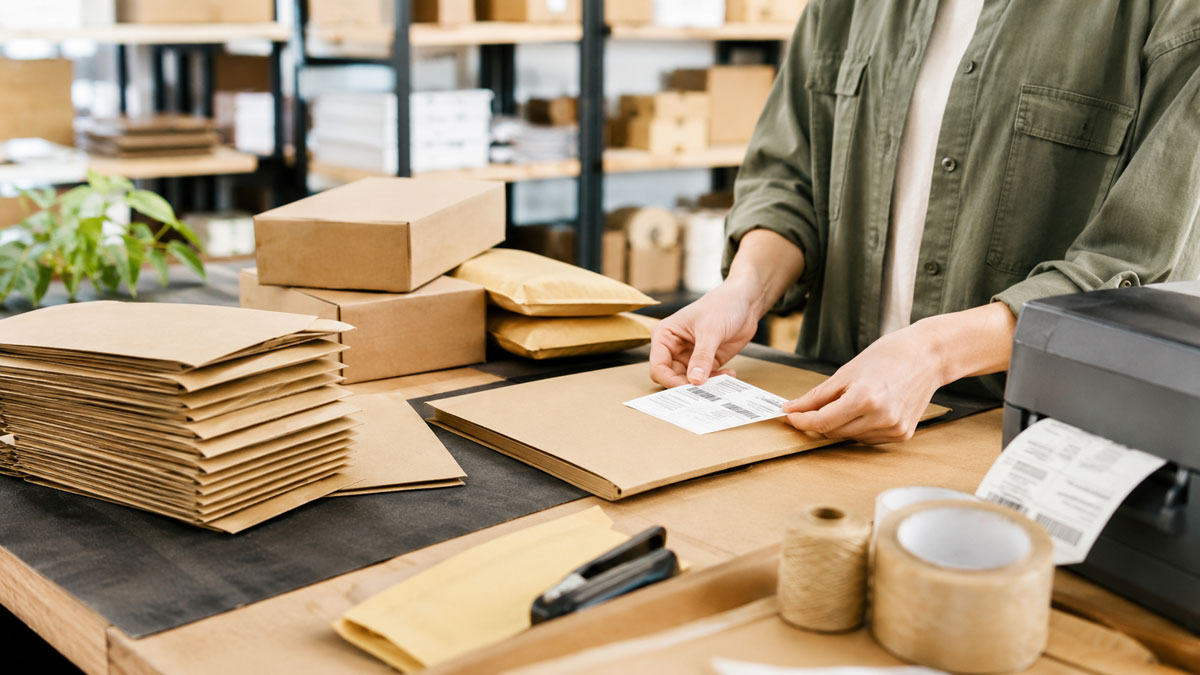
What Businesses Should Review Before Changing Packaging Materials
Changing packaging materials requires careful planning to ensure products remain protected throughout storage and delivery.
Product Suitability Should Be Assessed Carefully
Not every product is suitable for lightweight mailers. Businesses should review product size, fragility, and weight before switching packaging types. Items with delicate edges, unusual shapes, or moisture sensitivity may require additional internal protection.
Testing packaging performance across different product ranges helps businesses identify where cardboard envelopes work most effectively and where alternative solutions may still be needed.
Supplier Reliability Matters
Businesses should also review supplier quality carefully before making large packaging purchases. Reliable suppliers provide consistent product quality, clear documentation, and dependable lead times.
Retailers relying on regular order fulfilment benefit from suppliers that can support long term operational stability while meeting sustainability and compliance expectations.
Packaging Decisions Affect More Than Postage Costs
Packaging influences multiple areas of business operations beyond delivery pricing alone. Storage efficiency, customer satisfaction, and return rates are all affected by packaging performance.
Damaged Goods Create Additional Costs
Poorly protected products may arrive bent, crushed, or damaged during transit. This creates replacement costs, customer complaints, and additional administrative work for small businesses already managing tight resources.
Using reliable cardboard envelopes helps reduce movement during delivery and improves protection for flatter or lightweight products.
Efficient Packaging Supports Faster Fulfilment
Packaging materials that are easy to assemble, store, and handle allow businesses to process orders more efficiently. Faster fulfilment supports smoother operations during busy sales periods and reduces delays in dispatch.
Well-organised packaging systems also help businesses maintain consistency across deliveries and reduce unnecessary material waste.
Building Smarter Packaging Strategies for Future Growth
Small improvements to packaging methods can create noticeable long-term benefits for growing Yorkshire businesses. Choosing lighter, recyclable, and practical materials helps businesses reduce costs while improving the customer experience.
Reviewing Packaging Performance Regularly
Businesses benefit from assessing how their packaging performs during transport, storage, and customer handling. Reviewing damaged delivery rates, postage costs, and customer feedback can help identify areas where improvements are needed.
Reliable packaging materials and efficient fulfilment systems support stronger long-term performance for businesses handling increasing delivery volumes.
Supporting More Sustainable Fulfilment Practices
As customer expectations and environmental standards continue evolving, businesses that improve their packaging processes place themselves in a stronger position for future growth. Cardboard envelopes allow many retailers to balance protection, sustainability, and affordability more effectively across daily operations.
Carefully selected packaging materials help businesses reduce unnecessary waste, improve operational efficiency, and create a more reliable delivery experience for customers across Yorkshire.