5 Reasons Outdoor Play Matters More Than Ever for Children
Gradually, we have moved away from a time where children spent most of their time outdoors. Screens are now everywhere, but the government has released new guidance on screen time for under fives.
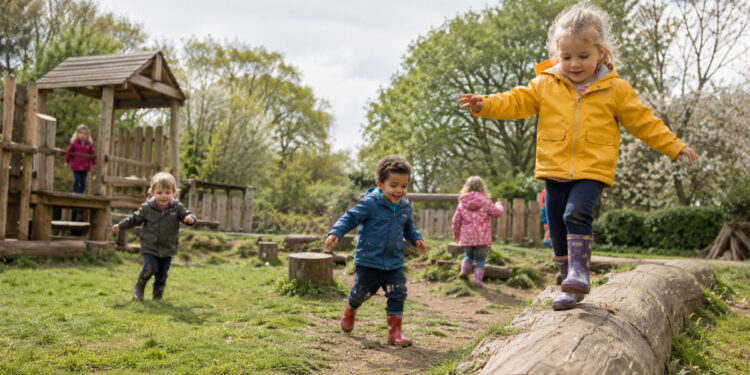
Too much time in front of screens is negatively impacting children, and they need the opportunity to play outdoors. Whether it’s climbing, balancing, building dens or simply running around with friends, activities such as these have a huge impact on child development.
Here are five reasons why outdoor play matters more than ever, and why schools and communities are encouraging children to get out and explore.
1. Outdoor Play Supports Physical Health
Children are naturally energetic, and outdoor environments encourage them to move in ways that indoor spaces simply can’t, and play areas help them to develop balance, coordination, and strength.
Health experts continue to highlight concerns around increasingly sedentary lifestyles among young people, with many children spending less time outdoors than previous generations. In fact, recent research has shown that the number of children who don’t play outside after school is as high as one in three.
Outdoor play offers a simple but highly effective way to keep children active while making exercise feel fun rather than structured.
2. It Encourages Creativity and Imagination
Unlike highly structured activities, outdoor play often has no fixed rules. One minute a climbing structure is a pirate ship, the next it’s a castle. Open-ended play allows children to invent stories, solve problems and create their own adventures.
This type of imaginative activity helps develop communication skills, confidence and independent thinking. Outdoor environments that include sensory elements, role-play spaces and natural materials are particularly effective at encouraging creativity.
Companies such as Creative Play focus on designing play spaces that combine physical activity with imaginative and sensory experiences, allowing children to exercise not only their bodies, but also their minds.
3. Social Skills Develop Naturally Outdoors
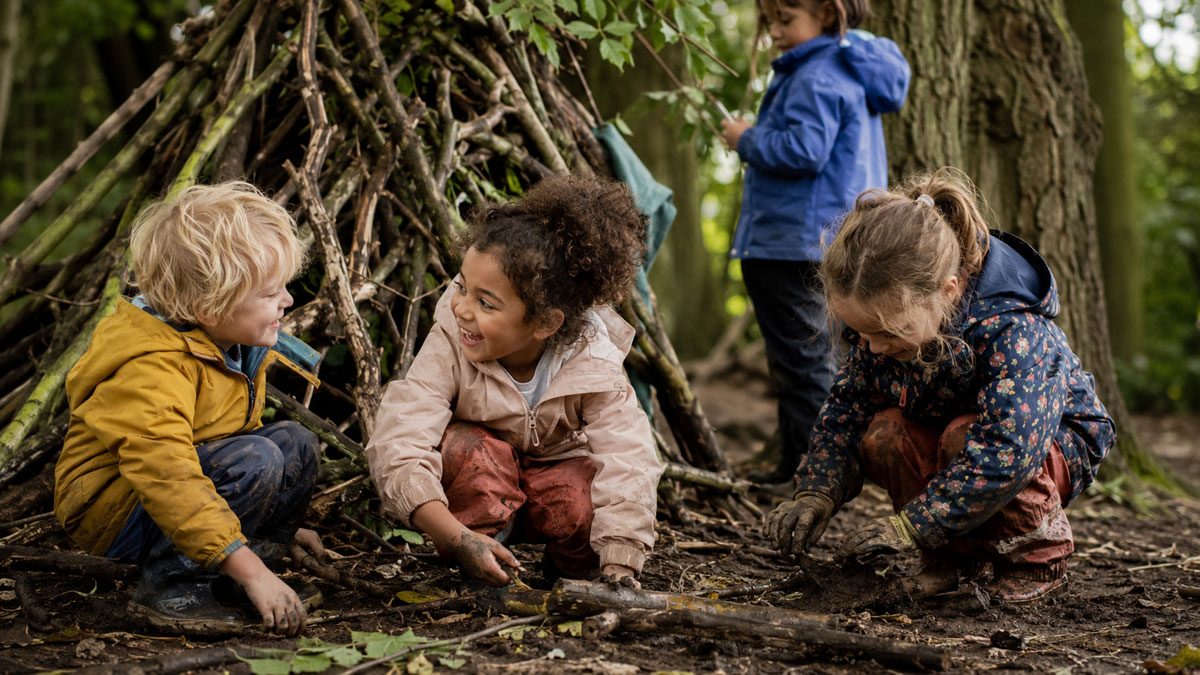
Outdoor play teaches children how to interact with others in a very natural way, as it gives them the opportunity to develop negotiation and cooperation skills.
Unlike classroom settings, outdoor environments tend to encourage freer interaction between different age groups and personalities.
4. Nature Has a Positive Impact on Mental Wellbeing
There is growing awareness of the connection between outdoor environments and mental health, and regular access to fresh air, green spaces and natural light can help reduce stress and improve mood in both children and adults.
Even relatively simple outdoor environments can provide important emotional benefits, encouraging children to connect with nature in a hands-on way, helping them feel calmer and more grounded.
5. Outdoor Play Builds Confidence
There’s something hugely rewarding about mastering a climbing wall, balancing across beams or completing an obstacle course for the first time, and one of the biggest benefits of outdoor play is that it allows children to test their limits and gain confidence through achievement.
Modern playground manufacturers are increasingly focusing on creating inclusive and age-appropriate designs that support this chance to build confidence while still maintaining high safety standards.
Have your children got a favourite outdoor activity? Share your stories in the comments below!