Importance of Accessibility in Town Planning to Aid those with Disabilities
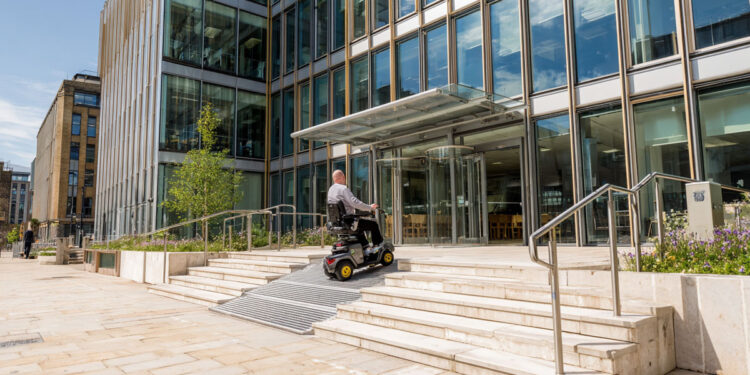
Within urban areas, in particular, there has always been a need for accessibility for those who are restricted in their mobility. So that they can navigate with ease and comfort across our streets and on public transport, urban planning has had to take notice of their special needs and is pivotal to create inclusive and equitable environment around which they can travel.
The modern town planner has to consider factors such as the design and implementation of infrastructure, transportation systems and public spaces which accommodate the needs of all individuals, including those in mobility scooters, wheelchairs and powerchairs. Also to be considered are the elderly and those with other impairments such as sight loss or hearing problems.
Features of the design process will take into account mobility, affordability and proximity to essential services. This will maintain a level of inclusivity that was not immediately thought of by town planners of the past.
To take the issue of transportation, initially, accessibility when getting around is key to help those with mobility issues to feel comfortable, confident and independent.
Public transport, therefore, has to provide such features as lifts, ramps and designated spaces for wheelchairs. Upgrading our public transport, in the modern era, involves introducing low-level buses which facilitate quick and safe on-off movements, while dedicated spaces for those in wheelchairs is also a provision which will enable the user and the carer to travel together.
On our roads and streets, providing pavements and pathways that do not restrict the individual is a must, while dedicated cycle lanes maintain a safe and healthy distance between motorised vehicles and bicycles. Bike sharing programmes are also available encouraging those who can, to use emission-friendly forms of transport.
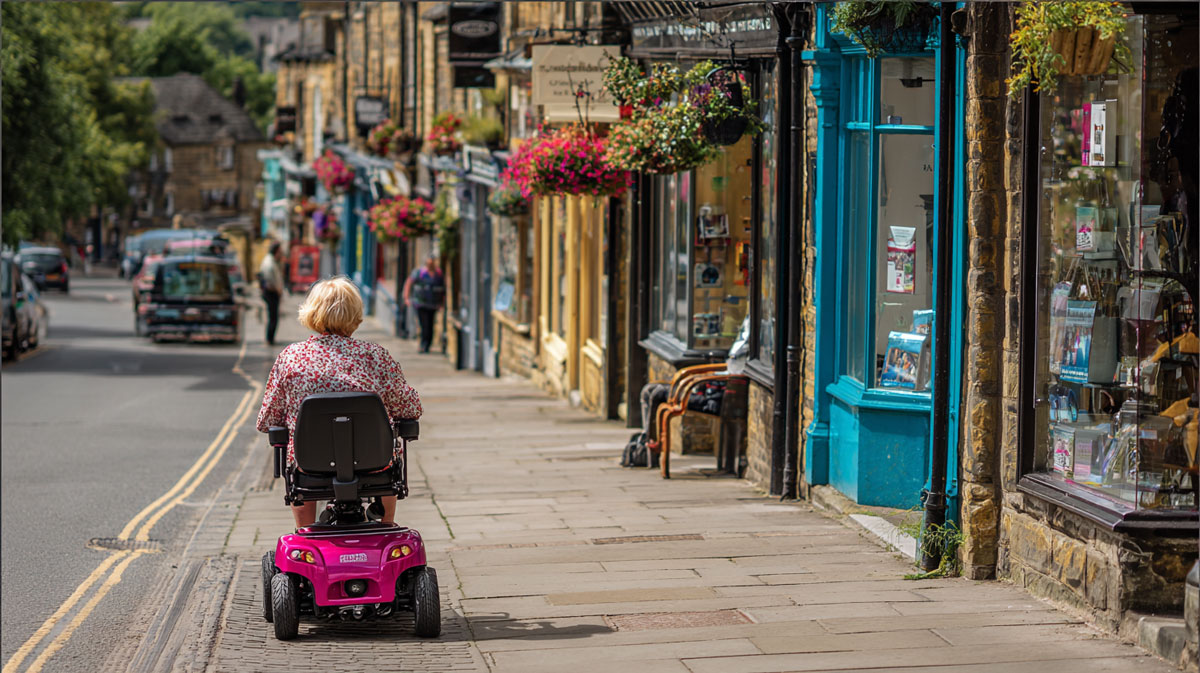
When planning a blueprint for the modern age, our infrastructure, this being buildings, parks and other recreational areas have to be brought into line with a view to accommodate rather than isolate. While in the early stages of such developments matters may have been experimental, we now have plenty oflearned expertiseregarding putting into place systems which work for those who experience difficulties mobilising.
Pavements can be widened and given dropped kerbs which makes easier the transition from pathway to roads. Tactile paving also enhances accessibility for those with impairments. Audible signals at pedestrian crossings and Braille signage also permit the disabled user to travel unhindered in the route of their choice.
Issues of affordability and inclusivity mean that low-cost housing, local health care services and educational provisionare essential to the modern town or city design. It frees up the type of dwelling and specific area you are able to reside in and again makes for an inclusive experience all round. It brings together those from diverse socioeconomic backgrounds enrichening the lives of all concerned.
We are able to create areas where accessibility is the priority and, in the process, we are breaking down barriers, nurturing social cohesion and unlocking the maximum potential from a diversepopulation. The fabric of society can only be improved through increasing our awareness of how it feels to be someone else.