How a Forgotten Corner Became the Family’s Favourite Spot
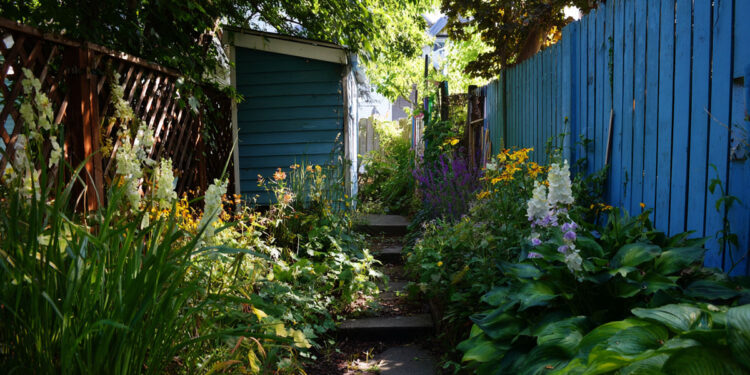
It started as a place to put the lawnmower.
Three years later, it is where the eldest daughter reads on weekend mornings. Tools have an actual home for the first time. The garden feels designed rather than accumulated. The shed did not change the garden. It gave it something to organise around.
Not unusual. The right structure in the right spot solves a problem that sat ignored for years. The damp corner behind the apple tree. The narrow strip beside the fence collecting broken plant pots and old compost bags. That shadowed end of a long garden nobody quite knew what to do with.
Cladding thickness. Foundation type. Boundary distances. Ventilation in shaded spots. These details decide whether a shed lasts a decade or needs replacing in four years. Worth thinking through before committing.
Why Garden Corners Become Forgotten Spaces
Awkward shapes. A narrow strip between a fence and a flowerbed. A corner that stays wet because the ground slopes toward it. A spot that gets no direct sun from October to March.
Nothing in these spaces invites attention. Clutter fills the gap. More clutter arrives. Walking past becomes a habit. That is all it takes for a usable area to disappear from the garden entirely, which is why garden features for forgotten corners often shift how these spaces are seen and used without requiring major changes.
Winter changes the picture. Foliage drops. The full shape of the garden becomes visible again, and what felt like dead space in July is clearly a workable area in January. Just one that was never given a purpose. That is usually the moment the shed conversation starts.
A structure gives the space a function. The clutter gets a home. The corner stops being something to step around and starts being somewhere worth spending time. The shift is less about timber and felt roofing and more about what a clear purpose does to how a place feels.
Assessing Your Garden’s Potential Storage Zones
Measure first. Dimensions, slopes, drainage. Watch how water moves across the ground after a heavy rain. Shaded corners hold moisture longer. That changes what the base needs to be and which materials will perform well long term.
Permitted development rules apply to most garden outbuildings in England. Structures within two metres of a boundary cannot exceed 2.5 metres in height. Total outbuilding footprint must stay under 50 per cent of the land around the original house. Not complicated rules. Ignoring them, though, means expensive corrections after installation.
For homeowners working with awkward dimensions or damp corners, the range of garden sheds at MCD Garden Buildings covers pressure-treated timber models built specifically for British weather conditions, from compact 1.8 by 1.2 metre formats for tighter plots to larger structures where storage demands have genuinely outgrown what is currently in the garden.
Distance from the main dwelling matters separately. Some configurations require planning permission regardless of overall size. Confirming this before purchase avoids the specific frustration of a delivery arriving that cannot legally be installed where intended.
Ground Preparation Essentials
The base determines everything that follows. Get it wrong and the floor warps, corners sink, rot comes up from underneath. Get it right and the structure sits level and dry for years without needing attention.
Concrete slabs suit heavy installations and clay-heavy soil. Weight distributes evenly. Frost movement gets resisted. Corners stay where they were put. Gravel suits lighter garden sheds on well-drained ground. Water moves down rather than pooling under the floor where it quietly accelerates rot and mould, which is why managing water drainage in outdoor spaces becomes a key part of getting the base right from the start.
Timber bearers work on level, well-drained plots. Economical and straightforward to install. Whatever the base type, the ground needs to be level and completely clear of vegetation first. Grass left underneath a shed floor does not die and go away. It rots. Traps moisture. Does slow damage from below that nobody notices until it has already cost something.
Matching Storage Solutions to Corner Characteristics
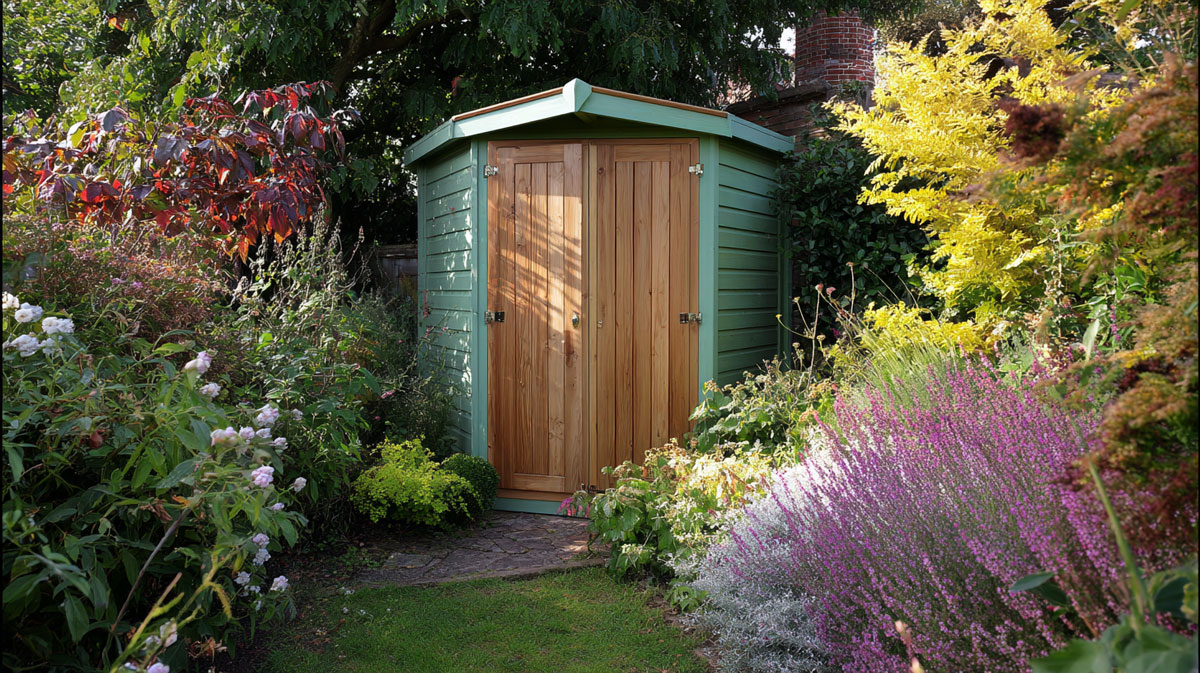
Narrow spaces need compact footprints. A corner measuring two metres across cannot take a 2.4-metre wide shed. That extra width is not available regardless of how useful it would be. Accurate measurements first. Everything else follows from there.
Pressure-treated timber handles British weather reliably. The treatment goes into the wood fibres and protects against moisture and insect damage. Outperforms untreated timber significantly once a proper winter arrives. Metal cladding resists weather well and needs minimal ongoing maintenance. In garden settings where the shed needs to sit alongside planting, it can feel harder than timber. Neither is wrong. Context decides.
Ventilation in shaded spots matters more than most people expect. Without airflow, moisture builds inside the structure even when the exterior looks completely dry, which is where ventilation and moisture control principles become critical to prevent long-term internal damage.
Material Performance in UK Weather
Pressure-treated timber with an annual coat of wood preservative. That is the maintenance routine that keeps cladding in good condition and stops surface cracking from letting moisture deeper into the wood, which is why timber preservative treatments for outdoor use remain essential for long-term durability in UK conditions.
A quality pressure-treated garden shed maintained annually costs less over ten years than replacing a cheaper untreated structure twice. The upfront saving on the cheaper option vanishes once a second purchase and installation are factored in. The maths are not close.
Metal sheds resist rot and insects without annual treatment. Coastal locations need occasional rust checks added to the routine. The right choice between timber and metal depends on the specific corner, the local weather exposure, and how much ongoing maintenance the homeowner will realistically commit to. The honest answer to that question matters more than anything else.
Practical Installation and Ongoing Maintenance
Most standard garden sheds go up in a single day. Base ready, access clear, instructions followed. DIY works well for open gardens. Tight corners, narrow gates, confined access points make professional fitting worth the cost. A shed assembled badly in a difficult spot is harder to fix than it was to get right the first time.
Autumn. Clear fallen leaves from the roof and gutters before they mat down and trap moisture against the structure. Check that water is draining away from the base. Twenty minutes. Prevents the slow water damage that stays invisible until it has already done real harm, which is why month-by-month garden maintenance tasks help keep these checks consistent across the year.
Spring is for wood preservative and any cladding or roof repairs that winter revealed. Minor wear caught in March costs less than the same damage addressed in November after six more months of wet weather.
A forgotten corner rarely stays forgotten once it has a purpose. The right base, the right materials, and a structure that fits the space turn unused ground into something that supports how the garden is actually used. What looks like a small addition changes how the whole space works. Storage improves. Maintenance becomes simpler. Time spent outside becomes easier to enjoy.