How to See the South of France Without Following the Crowds
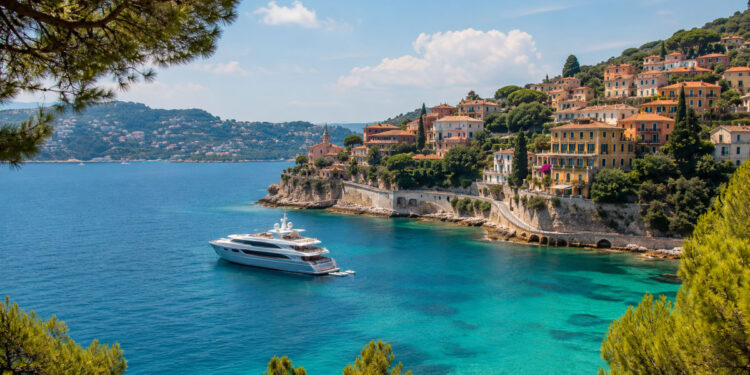
The South of France has never struggled for attention, but the way travellers experience it is changing. Rather than booking a single hotel and fighting for space on the same famous beaches, more visitors are looking for flexible, sea-led itineraries that reveal quieter corners of the Mediterranean coast. For those planning a more personal Riviera escape, a France yacht charter can offer a practical way to reach smaller harbours, sheltered bays and island anchorages that many land-based visitors never see.
France remains one of the world’s great travel magnets. According to Atout France, the country welcomed an estimated 102 million international arrivals in 2025, confirming its position as the world’s leading tourist destination. That popularity brings energy, choice and excellent infrastructure, but it also means certain hotspots can feel crowded during peak season. The most rewarding South of France trips now depend as much on pace as place.
Why the Riviera Still Captures the Imagination
The French Riviera has an enduring glamour that few European coastlines can match. Nice has its belle époque architecture and long Promenade des Anglais. Cannes has its film-festival shimmer. Antibes has Picasso, ramparts and a marina full of polished white hulls. Saint-Tropez still carries the myth of old-school celebrity, even if summer traffic can test the patience of a saint with a sunhat.
Yet the region is more varied than the postcards suggest. Behind the beaches are hill villages, food markets, pine forests, coastal footpaths and small ports where the day’s rhythm still depends on the tide, the fishing boats and the lunch menu. The best trips balance the familiar with the overlooked. A visitor might spend one day among the galleries of Nice, another swimming near a quiet cove, and the next drifting into a harbour town for grilled fish and a glass of chilled rosé.
That range is why the coast rewards a flexible itinerary. The Riviera’s best moments are often the unscheduled ones: a morning market in Antibes, a late swim off Cap Ferrat, a slow lunch in Villefranche-sur-Mer, or an evening arrival into a marina as the lights begin to tremble across the water.
Go Beyond the Obvious Resorts
Nice makes an excellent starting point, particularly for UK travellers, thanks to its strong air connections. Nice Côte d’Azur Airport handled 15.23 million commercial passengers in 2025, a record year that underlines the continuing pull of the region. The city is lively, walkable and rich in museums, with the added benefit of being close to smaller coastal communities.
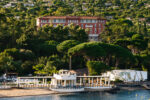
Villefranche-sur-Mer is one of the easiest escapes from Nice, yet it feels softer and more intimate. Its deep natural harbour, ochre buildings and waterside restaurants make it a strong choice for travellers who want Riviera beauty without the full Cannes-and-Saint-Tropez theatre. Nearby Saint-Jean-Cap-Ferrat offers elegant walks, quiet swimming spots and the Villa Ephrussi de Rothschild, one of the great Belle Époque houses of the coast.
Antibes is another rewarding base. Its old town feels lived-in, with narrow streets, food stalls and an appealing mix of art, history and sea air. The Picasso Museum, housed in the Château Grimaldi, gives the town cultural weight, while the Cap d’Antibes coastal path offers one of the finest short walks in the region.
Further west, the Îles d’Hyères offer a calmer, more natural vision of the South of France, away from the private beach clubs and designer sunglasses that dominate the popular imagination. Porquerolles, the best known of the islands, has sandy coves, eucalyptus trees, cycling routes and a gentler mood. Cars are restricted, beaches are protected, and the island feels pleasingly removed from mainland bustle.
Time the Trip Carefully
July and August bring heat, high prices and the thickest crowds. For many travellers, the best months are May, June, September and early October. The weather is usually warm enough for swimming, restaurants and beach clubs are open, and the atmosphere is calmer. Spring brings flowers and fresh produce. September has warm sea temperatures and a more grown-up, late-summer ease.
Those tied to school holidays can still avoid the worst congestion by building in variety. Rather than spending every day in the main resort towns, they might plan early starts, late lunches, island visits and quieter overnight stops. The South of France is at its most enjoyable when the schedule leaves room for drifting.
Use the Sea as a Route
Most visitors see the Mediterranean from a promenade, terrace or beach towel. Seeing it as a route changes the entire character of the holiday. The coastline becomes less of a backdrop and more of a map. Distances feel different. A bay that would require a long drive and awkward parking might become a relaxed lunch stop. A crowded town can be enjoyed in the morning, then left behind before the afternoon rush.
This is where a yacht or boat-based itinerary can make sense, particularly for families, couples or small groups looking for privacy and flexibility. It allows travellers to combine well-known stops with smaller anchorages, choosing each day according to weather, mood and appetite. Some may want a fully crewed experience, with local knowledge built in. Others may prefer a skippered charter that gives them the freedom of the water without needing to navigate regulations, moorings and local conditions themselves.
The European yacht charter market has been growing steadily, with Grand View Research valuing it at USD 3,822.4 million in 2025 and forecasting further growth to 2033. That trend reflects a wider shift in travel: people increasingly want holidays that feel tailored, experience-led and less boxed in by fixed hotel routines.
Eat Where the Coast Feels Local
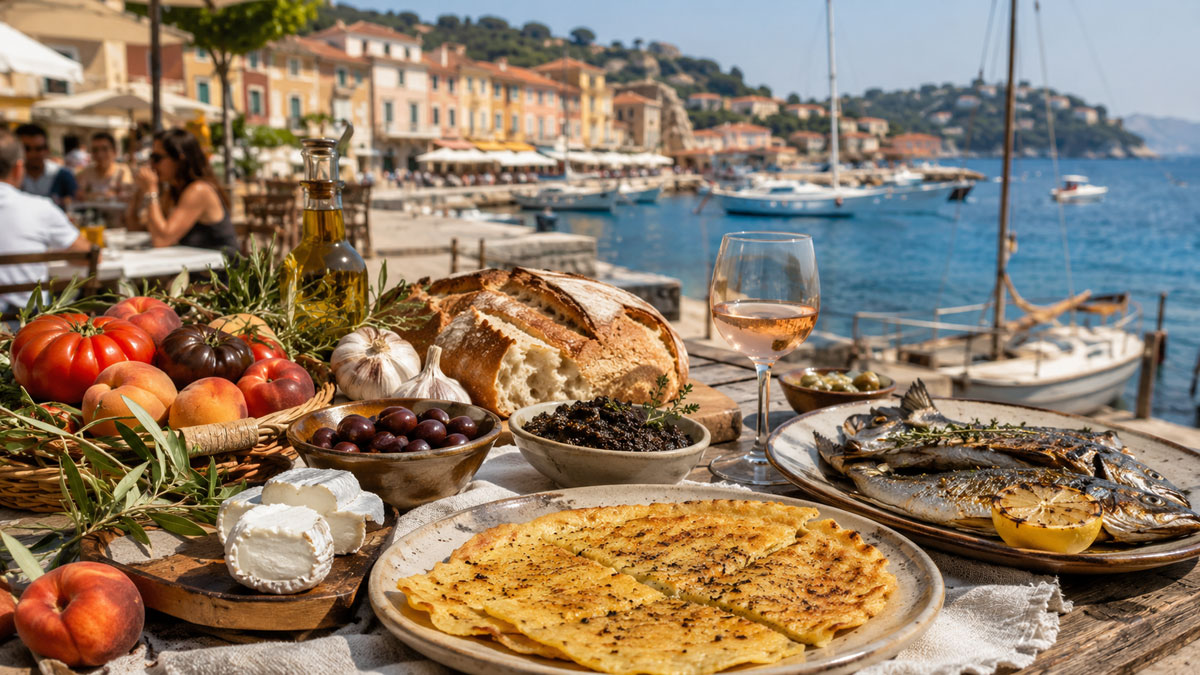
Food is one of the easiest ways to escape the most obvious tourist trail. In Nice, look for socca, the chickpea pancake traditionally eaten hot and peppered. In fishing towns, simple grilled sea bass, sardines or red mullet can be more memorable than elaborate fine dining. Provençal markets are useful for picnic supplies: tomatoes, peaches, olives, tapenade, goat’s cheese and bread still warm from the bakery.
Travellers should also look beyond the most famous waterfront restaurants. Smaller streets often offer better value and a more local atmosphere. A good rule is to follow the lunch crowd rather than the view. The most memorable table may be tucked beneath a faded awning, where the handwritten menu changes daily.
Add Culture Between Beach Days
The South of France is at its best when beach time is broken up with art, architecture and old towns. Nice has the Musée Matisse and Marc Chagall National Museum. Antibes has Picasso. Saint-Paul-de-Vence has galleries and the nearby Fondation Maeght. Cannes has its cinematic mythology, but also the old quarter of Le Suquet, which is far more atmospheric than the red-carpet clichés suggest.
There are Roman remains, medieval villages, perfume houses in Grasse and coastal paths that turn a morning walk into one of the highlights of the trip. This variety matters. A Riviera break can be luxurious without being lazy, stylish without being hollow, and relaxing without becoming repetitive.
Practical Tips for a Quieter Riviera Trip
Travellers should book early for peak-season accommodation, restaurant tables and marina-based experiences. Rail is useful between major towns, especially between Nice, Monaco, Antibes and Cannes, where driving can be slow. Comfortable shoes matter, as many old towns involve steps, cobbles and steep lanes.
It is also worth checking local event calendars. Film festivals, regattas, conferences and major sporting events can transform prices and availability. Those who want calm should avoid the busiest festival windows. Those who want atmosphere may prefer to plan around them.
Sun protection is essential, especially on the water, where glare can be stronger than expected. A light layer for evenings is sensible outside high summer, and anyone prone to seasickness should plan accordingly before heading offshore.
About Boatscribe
Boatscribe helps travellers explore yacht charter options in destinations across Europe and beyond, including France’s Mediterranean coastline. Its catalogue is designed to make it easier to compare destinations, vessel types and charter possibilities, whether travellers are planning a special occasion, a family trip or a more flexible coastal holiday.
A Different Way to Read the Map
The South of France will always have its famous names, and rightly so. Nice, Cannes, Antibes and Saint-Tropez remain part of the region’s appeal. The trick is to treat them as chapters rather than the whole book.
For travellers willing to move a little slower, look a little further and use the sea as part of the journey, the Riviera still has surprises tucked between its headline acts. Beyond the promenades and polished marinas are quiet coves, island paths, market towns and long blue afternoons that feel blissfully removed from the crowds. That is where the South of France becomes less predictable, and much more rewarding.