How to Master Self-Catering on Your Next Cottage Break
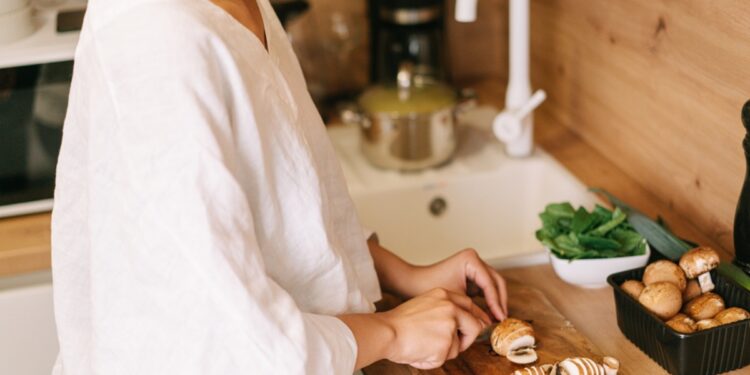
A self-catering cottage gives you control over mealtimes, portions and costs, but an unfamiliar kitchen can expose gaps in even the best packing list. A simple food plan will prevent repeated supermarket trips and help you spend more of the break exploring or relaxing. These self-catering holiday tips offer useful general preparation advice, while the practical steps below focus on making cottage cooking easy from arrival night onwards.
Plan Menus Before Packing Your Bags
Write a loose menu for each day, starting with breakfasts and evening meals. You don’t need to schedule every snack, but knowing that Monday is pasta night and Tuesday is a traybake makes shopping much easier. Check your cottage listing for details such as freezer space, oven size and outdoor cooking facilities before choosing dishes.
Build meals around ingredients that can appear twice. Roast vegetables can fill wraps the next day, while cooked chicken can become part of a salad or pasta dish. These holiday meal ideas can help if inspiration runs short. Leave one evening unplanned for local dining or leftovers, particularly towards the end of your stay. Preparing a few ingredients or components ahead of time can make holiday cooking even easier. Batch-cooking ideas, such as those featured in The Batch Lady: Healthy Family Favourites, offer inspiration for planning meals that save time without sacrificing variety.
Arrange Deliveries Straight to the Door
A grocery delivery can save valuable boot space and remove the need to find a supermarket after a long drive. Book the slot early, especially during school holidays, and set it for at least an hour after check-in. Cottage access can take longer than expected, and drivers may need clear directions for rural lanes.
For fresh ingredients, you can order chicken, sausages, kebabs and other meat products from online butchers and arrange delivery before travelling. Confirm whether your accommodation accepts deliveries and plan how chilled food will reach the cottage safely. Keep the first evening straightforward in case timings change. Bread, soup and a ready-prepared dessert require little effort after unpacking.
Essential Kitchen Equipment to Bring Along
Most cottages provide pans, crockery and cutlery, though the exact selection varies. Read the inventory and recent guest reviews, then contact the owner if a key item isn’t listed. A sharp kitchen knife, small chopping board and reliable tin opener can rescue a meal when the supplied equipment has seen better days.
Pack a few lightweight extras:
- Reusable food containers for leftovers and picnic lunches
- Foil or baking paper for lining trays
- Tea towels, washing-up liquid and spare dishwasher tablets
- A cool bag with ice packs for day trips
- Small quantities of salt, pepper, cooking oil and favourite seasonings
Measure spices into labelled containers instead of carrying full jars. Remember oven gloves too, as they’re surprisingly easy to overlook and aren’t guaranteed to be provided.
Simple Recipes That Minimise Washing Up
One-pan meals suit cottage kitchens because they use familiar equipment and leave fewer dishes. Place chopped potatoes, peppers, onions and sausages on a lined tray, add oil and seasoning, then roast until cooked through. A vegetarian version works well with chickpeas and courgettes. Always follow the cooking instructions on each product and check that food is piping hot before serving.
For a quick pasta dish, cook pasta and peas together, drain them and return both to the pan with pesto, spinach and grated cheese. Breakfast can be equally simple: yoghurt, fruit and granola need no cooking, while scrambled eggs require one pan.
Keep one container in the fridge for usable leftovers. Your final cottage lunch might then be a wrap filled with roasted vegetables, salad and cheese, leaving less food to pack or discard. That’s a much pleasanter last-day task than facing several half-open packets before check-out.