The Difference Between Louvres and Grilles in Ventilation Systems
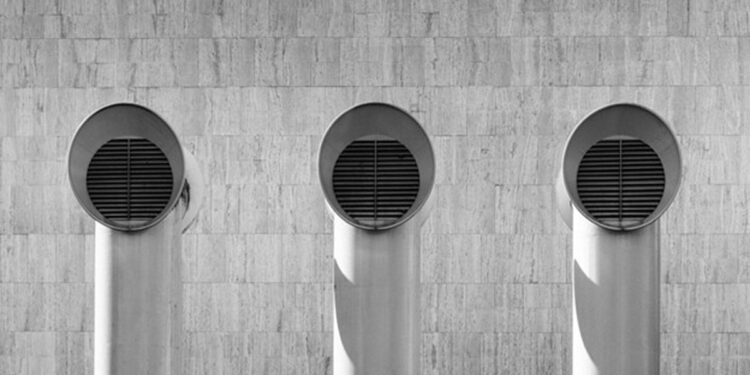
A louvre is a set of angled slats that lets air pass through while keeping out rain, birds and debris. A grille is a flat or slotted cover that mostly hides an opening and protects it from larger objects. Both sit at the end of an air path, but they suit different jobs. Suppliers such as Alpha Air stock both types, so it helps to know which one fits your project.
What a Louvre Does
Louvres are built for the outside of a building. The slats slope downward and outward, so rainwater runs off instead of blowing through. This makes them a common choice for fresh-air intakes and exhaust outlets on external walls. Many louvres also carry a mesh behind the slats. The mesh keeps out insects and small animals. You will often see them on plant rooms, kitchens and commercial units.
What a Grille Does
A grille covers an opening, usually indoors. It can sit on a wall, ceiling or door, and it lets air move in or out of a room without leaving a bare hole. Its main purpose is protection and a tidy finish. Grilles come with fixed bars or with adjustable blades. Fixed bars give a plain look. Adjustable blades let you steer the airflow a little.
Where Each One Belongs
Think about where the air is going. If the opening faces the weather, a louvre is the safer pick. If the opening is inside a room, a grille is usually enough and looks neater. Some projects use both. Fresh air may enter through an external louvre, travel along ducting, and then reach a room through a grille. Each part handles a different stage of the same journey.
Materials and Finishes
Aluminium is a popular material because it is light and resists rust. Steel gives extra strength, and plastic can suit damp spaces such as bathrooms. Powder-coated finishes allow you to match a colour to the wall or frame around it. For outdoor use, a coating that withstands weather matters more than appearance alone. Indoors, you can focus on how the grille looks beside your ceiling or walls.
Getting the Size Right
Measure the opening, then check the product’s free area. Free area is the actual gap that air can pass through, once the slats or bars are taken into account. It is always smaller than the full face size. If the free area is too small, air meets resistance. That can raise noise and make a fan work harder. Checking the manufacturer data before you buy avoids that problem.
Custom Options
Standard sizes do not suit every building. Some openings are long and narrow, or sit in an unusual spot. In those cases, a made-to-measure external louvre or a linear slot diffuser can give a cleaner fit. A slot diffuser spreads air along a thin line, often in a ceiling. It blends into modern interiors better than a bulky square grille. Custom work usually needs exact dimensions, so have your measurements ready.
Fitting and Upkeep
Louvres and grilles need a firm fixing, and the gap around the frame should be sealed. This stops draughts and keeps moisture out of the wall. Use fasteners that suit the wall material. Dust and leaves can build up over time. A quick check once or twice a year keeps the airflow steady. Wipe the surface, clear any mesh and look for signs of damage.
Questions to Ask Before You Order
A short list of questions can save a return trip. Is the opening inside or outside? How much air needs to pass through? Will the cover need a mesh, a damper or a special colour? If you are unsure, a building services engineer or ventilation designer can confirm the right choice. They can check the airflow figures and any building rules that apply to your property. A few minutes of advice early on is much easier than replacing a poor fit later.