How a Leeds Parts Platform Is Bringing Fitment Precision to Off-Road Motorcycling
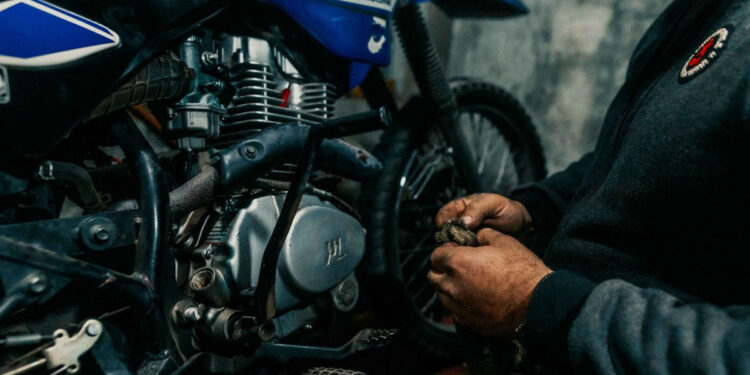
A routine service job can become a lengthy parts hunt when a competition bike’s model year or component specification is easy to confuse. For motocross and enduro riders, finding a replacement that fits is an essential step before the spanners come out. Iron Offroad’s new Leeds-connected online shop puts its bike-specific parts finder and fitment information at the centre of that search.
Why the Right Replacement Part Can Be Hard to Find
Modern off-road bikes leave little room for guesswork when a worn component needs replacing. A part may look familiar in a photograph while being intended for a different model year or variant. Even when the bike is correctly identified, the rider still has to check that the individual item meets the job’s requirements. A brake pad, for example, has to match the relevant braking assembly; a sprocket choice also calls for attention to its stated dimensions and application.
The distinction matters to a club racer preparing a bike between events, but it is just as relevant to someone maintaining a trail bike at home. Ordering the wrong part can interrupt a planned repair and leave the original problem unresolved. A useful buying process therefore begins with the bike’s exact make, model and year, moves to the applicable part reference, and ends with a check of the product specification. Broad searches for motocross parts in the UK may reveal plenty of options, but a long results page alone does little to establish which option belongs on a particular machine. Bike-specific navigation is most useful when it helps riders narrow that field without treating a general category match as a final fitment check.
Fitment Data and Leeds Expertise
That is the approach behind the new Iron Offroad Motocross, Enduro & Dirt bike Parts website. The Leeds-connected e-commerce platform is built around replacement and service parts for MX, enduro and related off-road motorcycles. Its catalogue lists 29,134 SKUs, with routes into the range through bike details, brands and parts categories. For a rider who knows the machine but has not yet identified a part number, starting with the bike can be more useful than searching an unrestricted catalogue. It establishes an application before the buyer considers the component itself.
The site’s fitment finder cross-references manufacturer ApplicationLists with its own set of OEM part numbers. In practical terms, those are two different pieces of information: an application list associates parts with particular motorcycles, while an OEM number can help identify the component being replaced. Bringing those references into a bike-led search offers a more technical route through a large range than relying on a product description alone. It does not remove the need to inspect the part already fitted, especially where a machine’s configuration or service history affects the repair.
For riders, the useful habit is to treat search results as a shortlist rather than the end of the decision. Recording the full model designation and year before shopping avoids a common source of confusion. Checking any part number on the old component or in the bike’s documentation, where available, provides another point of comparison. The final product listing then deserves a careful read for dimensions, application and included components. Those steps apply whether the purchase is a routine filter or an item needed for a more involved rebuild. The new Leeds motorcycle e-commerce site gives riders a way to begin that process with their bike, rather than asking them to work backwards from an unfamiliar shelf of parts.
What Workshop-Grade Parts Mean for Club-Racing Maintenance
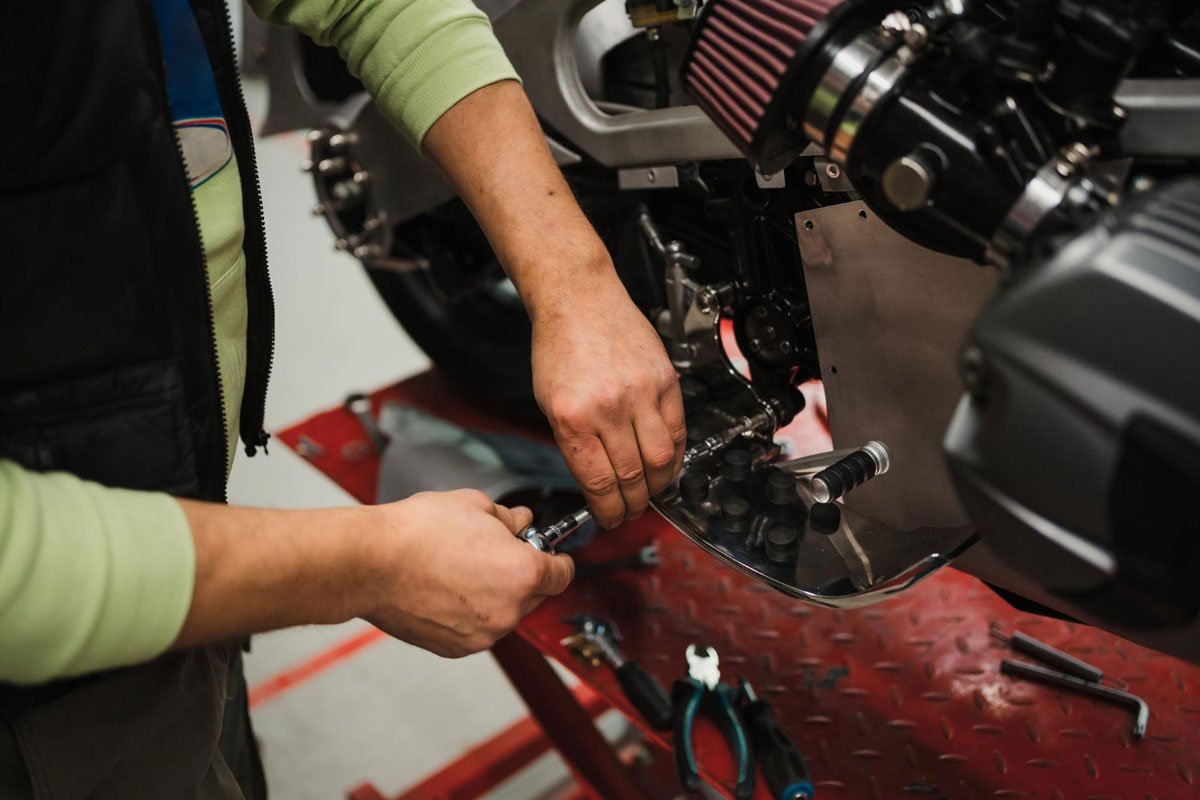
In UK club racing, maintenance is part of the preparation that happens away from the start line. Chains, sprockets, brake components and filters all have jobs that make correct selection important. A rider replacing a chain guide needs an item suited to the bike and the surrounding assembly; someone servicing a suspension linkage needs to know which bearings and seals the work calls for. “Workshop-grade” is useful as a description of the shop’s focus on functional replacement and service items, rather than as a substitute for checking a specific part. The term does not make every product interchangeable, and an aftermarket component is not automatically an original manufacturer part.
The catalogue covers the kinds of jobs that keep dirt bike maintenance moving. Its engine range includes pistons, gaskets, seals and clutch kits; drivetrain parts include chains and sprockets. There are also suspension service items, brake parts, controls, plastics, wheel components, electrical parts, exhaust items, filters and cooling components. Those groupings make sense from a workshop perspective because a repair often involves more than the single item that first drew attention. When inspecting a wheel, for instance, a rider may also need to consider its bearings or spokes. A category structure helps locate related items, while the bike and product details determine what is suitable for the actual task.
Quality in this setting is best judged at the level of the chosen component and the work it must do. The correct application, dimensions and contents of a kit are practical questions; a familiar brand name cannot answer them on its own. It also pays to separate a planned service from a last-minute parts order. Inspecting wear items and identifying replacement references before an event leaves more room to check a selection carefully. That is particularly valuable for club riders who maintain their own machines and need a clear account of what they are fitting.
A Leeds-Based Resource with National Reach
Iron Offroad is a trading name of Iron Stable Ltd, and its connection to Leeds extends beyond a geographical label on the website. Orders are picked, packed and shipped by its fulfilment partner, SK Motorcycles Ltd, which trades as Iron City Motorcycles. The Leeds-based business is an authorised UK motorcycle franchise dealer. The distinction between the online marketplace and the dealer handling fulfilment is worth keeping clear: one provides the specialist shopping route, while the other carries out the physical order process.
That arrangement gives the launch a local business dimension for Yorkshire readers, alongside its relevance to riders elsewhere in the country. A Leeds enthusiast searching for parts and a club racer ordering from another region face much the same technical question: which component suits the bike being worked on? Online access makes the catalogue available to both, while the fitment-led search offers a starting point grounded in machine details. The website’s value lies in making those details central to the search, rather than expecting every buyer to arrive with a complete replacement-part number.
There is a broader lesson for anyone shopping for motocross parts or enduro racing gear online. A catalogue can make products easier to discover, but the strongest purchase decision still follows the evidence on the bike and the specification of the part. Identify the exact machine, compare the relevant application or part reference, and read what the selected item contains before ordering. For riders managing their own repairs, that measured approach can make the journey from a maintenance job to a suitable replacement much clearer.